
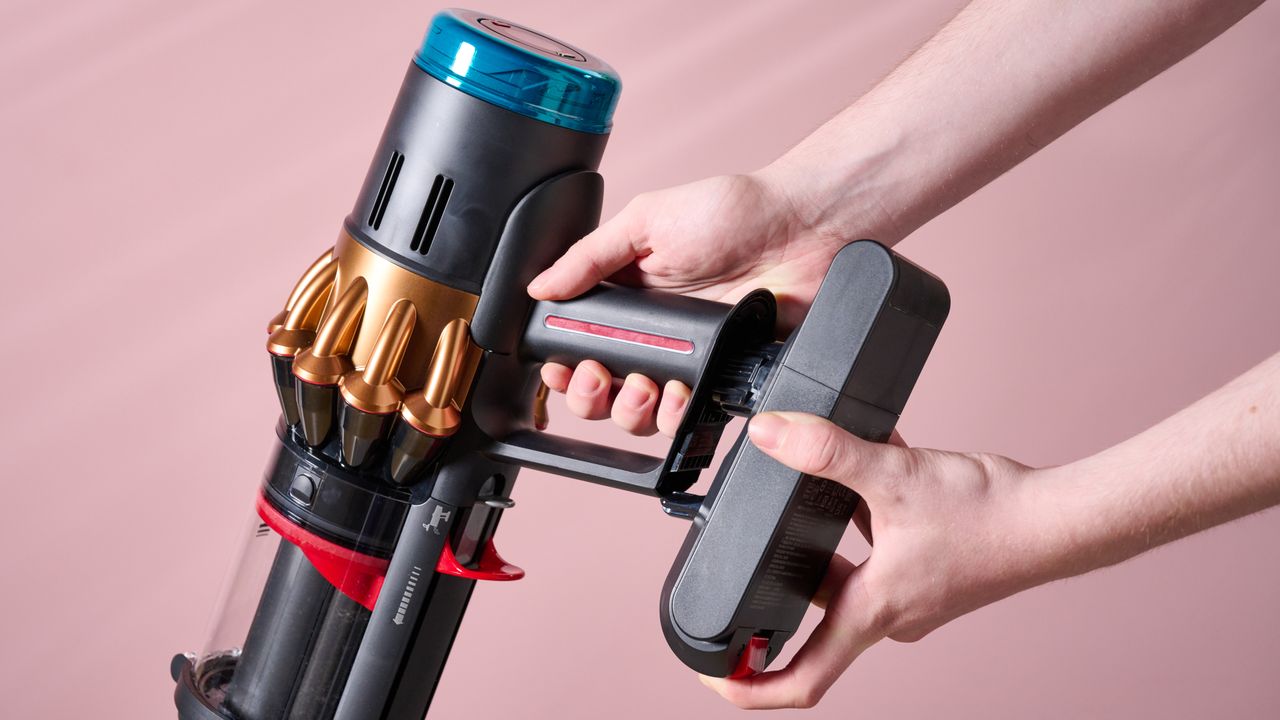
Today's best Dyson vacuums have powerful batteries – some can last up to 70 minutes on a single charge. But taking care of your battery is important for longevity of your vacuum, and the best way to extend its lifespan overall.
Often with cordless vacuums, the battery will be the first thing to expire (cordless vacuums tend to last less long than corded ones in any case). Although all of Dyson's current models have batteries that can be removed and swapped over, and spare batteries purchased, it's still worth treating your vacuum's battery with care to prevent you from having to replace it before its time.
Below are five things that can damage or speed up the aging process on your vacuum's battery, and which you should avoid if you want it to last as long as possible. These tips are pulled from the Battery Care page on Dyson's own site, and while they're specific to Dyson vacuums, most of these tips will be relevant whichever brand's cordless vacuum you're using.
1. Using Boost too much
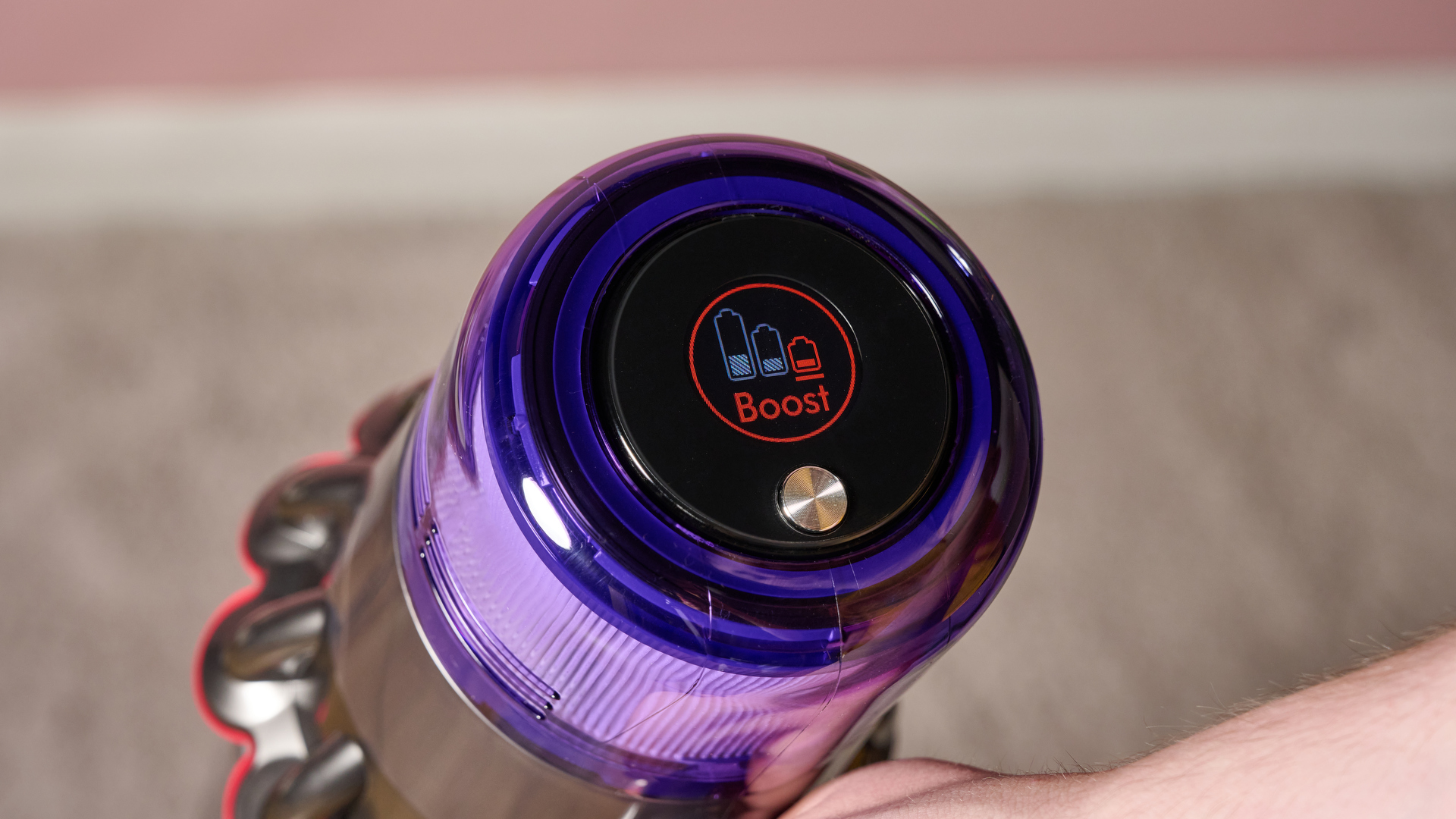
All of Dyson's cordless vacuums have a Boost / Max mode that offers more suction power than the other modes. This will drain the battery life quickly, but what you might not realize is that using it too frequently will also speed up how fast the battery degrades. Dyson says that its vacuums are "designed to be used in Auto or Normal mode for everyday cleaning" and that "Max or Boost modes are meant for powerful, intensive bursts of spot cleaning."
The newest Dyson vacuums have three suction modes: Eco, Auto, and Boost. In Auto mode, the suction will ramp up or down depending on the kind of floor it's on, and how dirty that floor is. This is a great way of ensuring a thorough clean without taxing the battery too much, or running it down unnecessarily quickly.
2. Plugging it in straight away
Most people will pop their vacuum back on its charge dock, or plug it into the mains, as soon as they're done using it it, so it can start juicing up ready for the next cleaning session. Dyson says that you can preserve the life of the battery by pausing to let it cool down first before plugging it in to charge.
I asked Amit Gupta, Head of Electrical Power Systems at Dyson, why this is the case. "Allowing battery cells to cool after high-power discharge promotes lithium-ion redistribution and electrode relaxation, reducing stress from high currents and temperatures," he explains. "This process increases usable capacity for the next discharge."
He also explains that charging the battery at cooler temperatures minimizes unwanted side effects and internal pressure, which helps keep the battery healthy. Dyson vacuums have a built-in intelligent Battery Management System (BMS), designed to protect and optimize battery performance.
"When you dock your machine after use, the BMS continuously monitors the battery’s temperature and will only initiate charging once it has cooled to the recommended level," he adds. "This prevents thermal stress, safeguards internal components, and ensures long-term battery health."
3. Not draining it completely
If you're the kind of person who can't let an appliance drop below 50% battery life without breaking out in a cold sweat, I have bad news for you. Dyson recommends letting your vacuum's battery drain to completely empty at least once a month, to help prolong its life.
If you've picked up a backup battery, the brand suggests switching between the two batteries every once in a while. That gives each one a chance to discharge naturally.
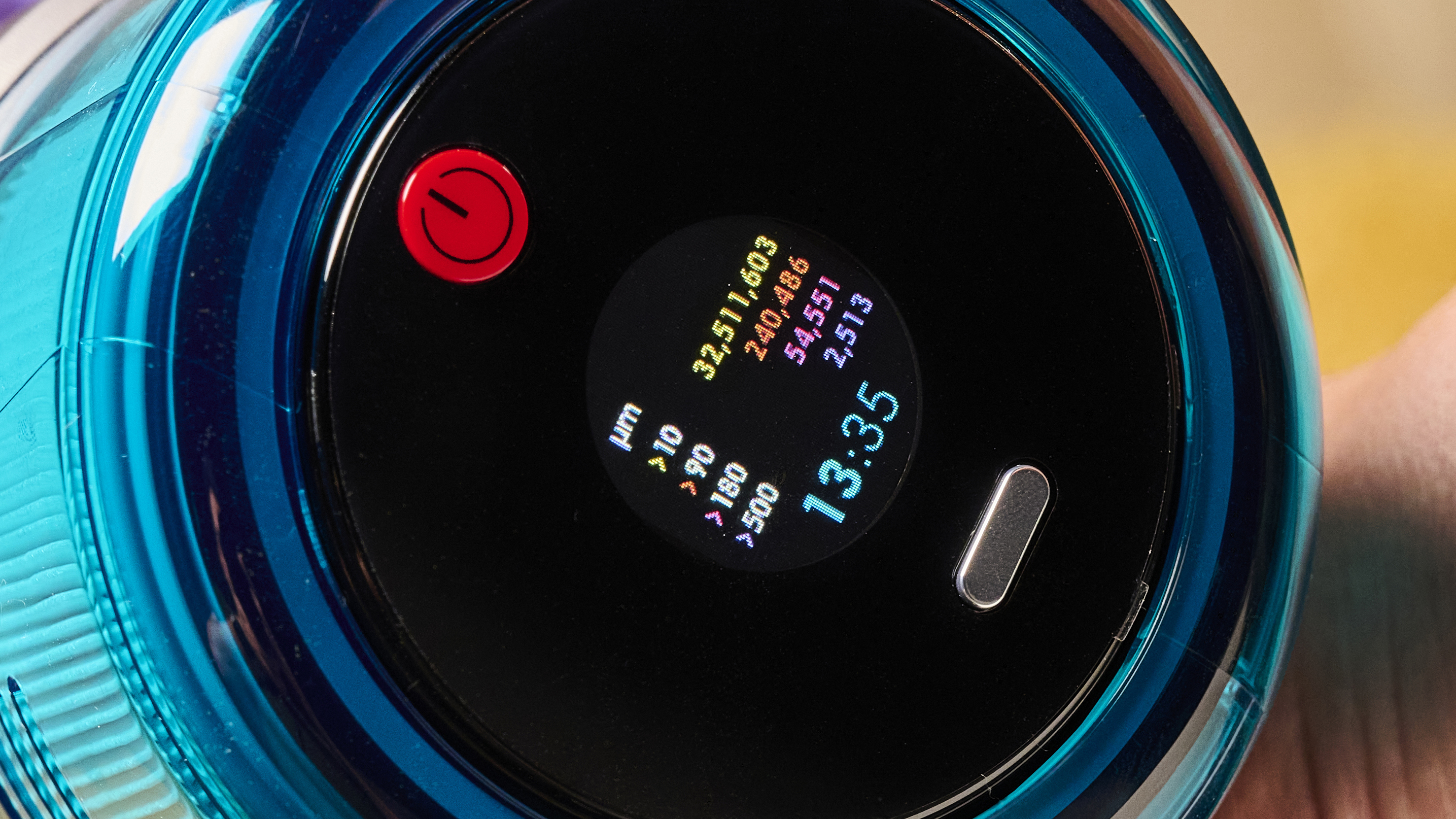
Want the technical explanation? "Occasional running a lithium-ion battery flat (also known as 'deep discharging') can recalibrate remaining capacity, depending on usage history," says Gupta. "A deep discharge and rest enables a small, short-lived 'capacity rebound' as lithium ions redistribute, recovering some reversible capacity loss."
However, he advises that while this can slightly extend runtimes, as well as making your estimated runtimes (as displayed on your vacuum screen) more accurate, it's not a fix-all cure, and won't restore permanently lost battery capacity.
4. Letting it get too warm
As I touched on in point #2, your vacuum's battery does not like to be too warm. So if you're storing it in a boiler cupboard or next to a radiator, or even in a place that regularly gets direct sunlight, Dyson recommends moving it to a new spot, pronto. Oh, and if you have the Dyson Car+Boat, it's not a good idea to leave it in your car either.
"Hot environments speed up battery aging," says Dyson. "Heat sources, such as radiators, can damage the battery." The ideal storage temperature is between 64.4F / 18C and 82.4F / 28C.
5. ... or too cold
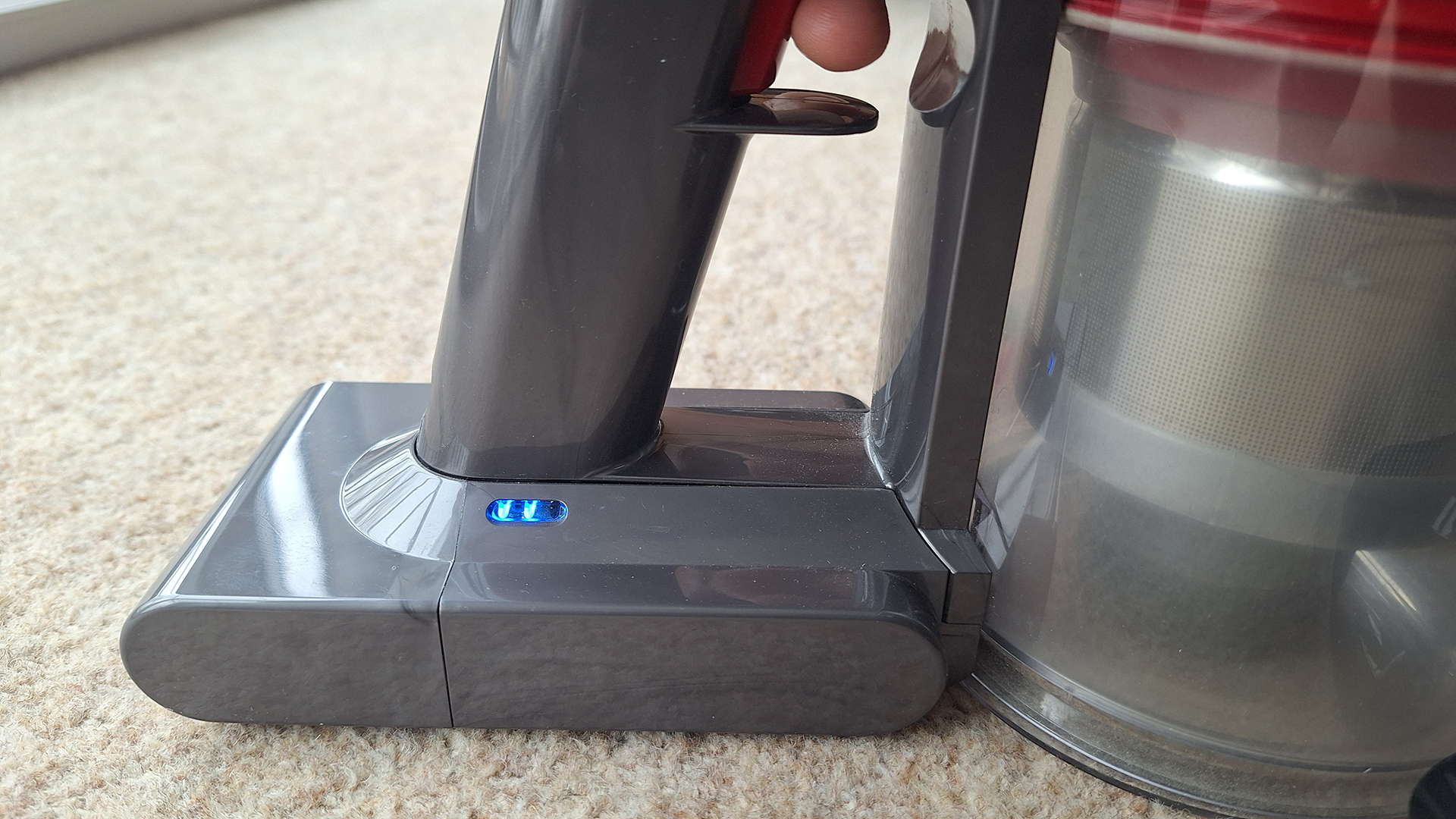
Turns out your vacuum is a bit of a Goldilocks when it comes to temperature, because just as it doesn't like things too hot, it's not fond of the cold either. ("Batteries contain complex chemical structures that react to their environment," explains Dyson.) The brand warns against storing your vacuum in your garage or a cold porchway in the winter months. In fact, to protect the motor and the battery, your vacuum won't charge or operate if the temperature is below 37F / 3C.