March is often the month when we shift into ‘deep clean’ mode and begin our annual spring clean. It’s something about the change of seasons and the signs of fresh green growth outside that inspire us to start anew.With spring cleaning at the top of my agenda, I've started thinking about giving my home a thorough cleaning from top to bottom, and my floors are at the top (well, bottom) of my checklist. But with a stack of viral cleaning hacks to consider, I’m stuck before I’ve even started and confused about what I should and shouldn’t try. To save my floors and my sanity, I called on the expertise of Stacey Gustafon, a flooring expert at Bona, to discover which floor cleaning hacks to avoid and what to do instead.
Reasons to be careful when cleaning your floors
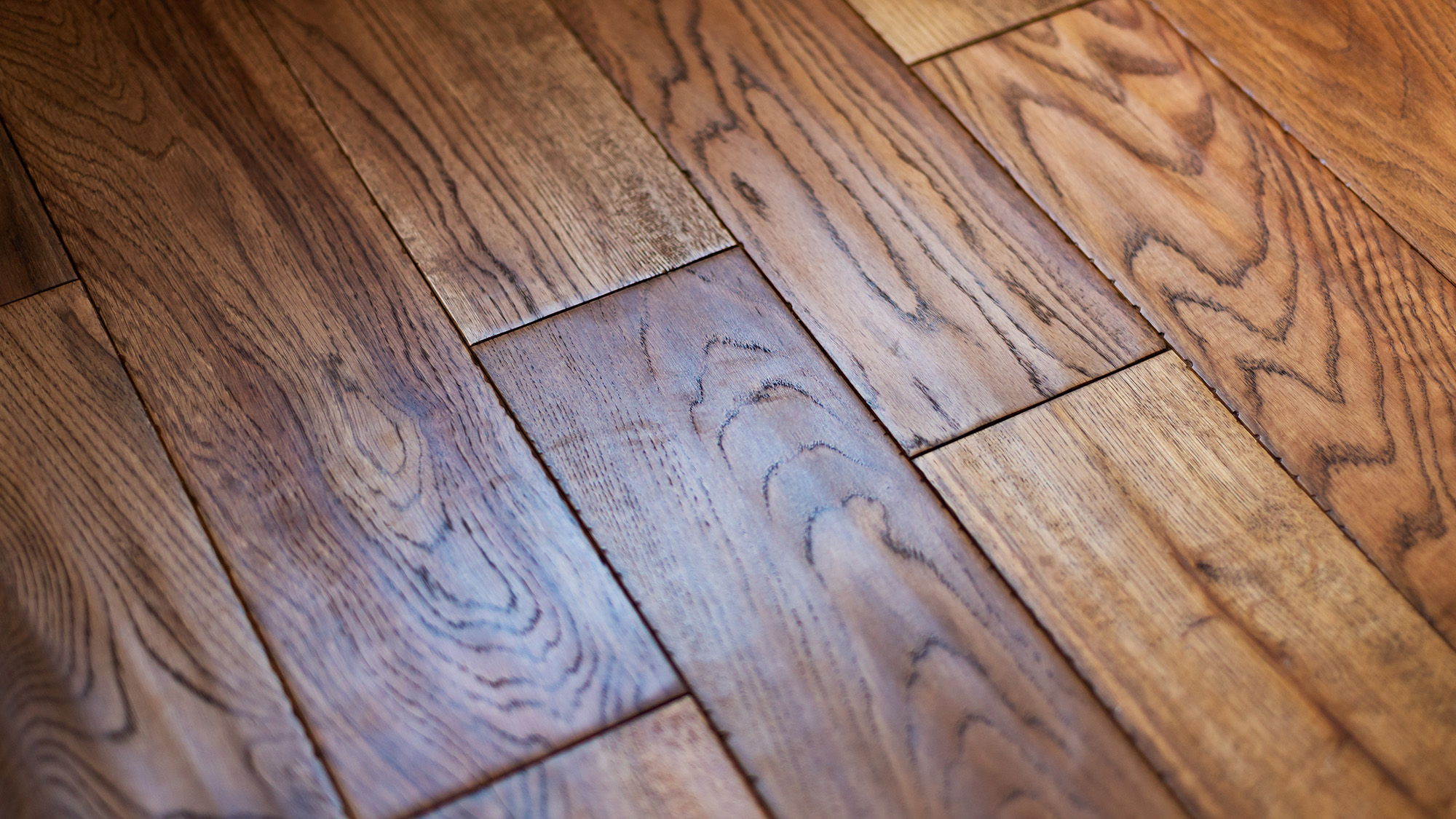
According to Gustafon, there’s good reason to be cautious when cleaning your floors, as certain DIY cleaning combinations can strip a floor’s protective finish. She also mentions that you shouldn’t assume that one tool works safely across every floor type, “Using the wrong tool or cleaning solution on your floors can lead to stains, scratches, dulling and other damage — either immediately or through gradual build up and wear,” she says.Here are 5 floor cleaning hacks she recommends you avoid.
5 hacks to avoid when cleaning your floors
1. Don't steam ahead
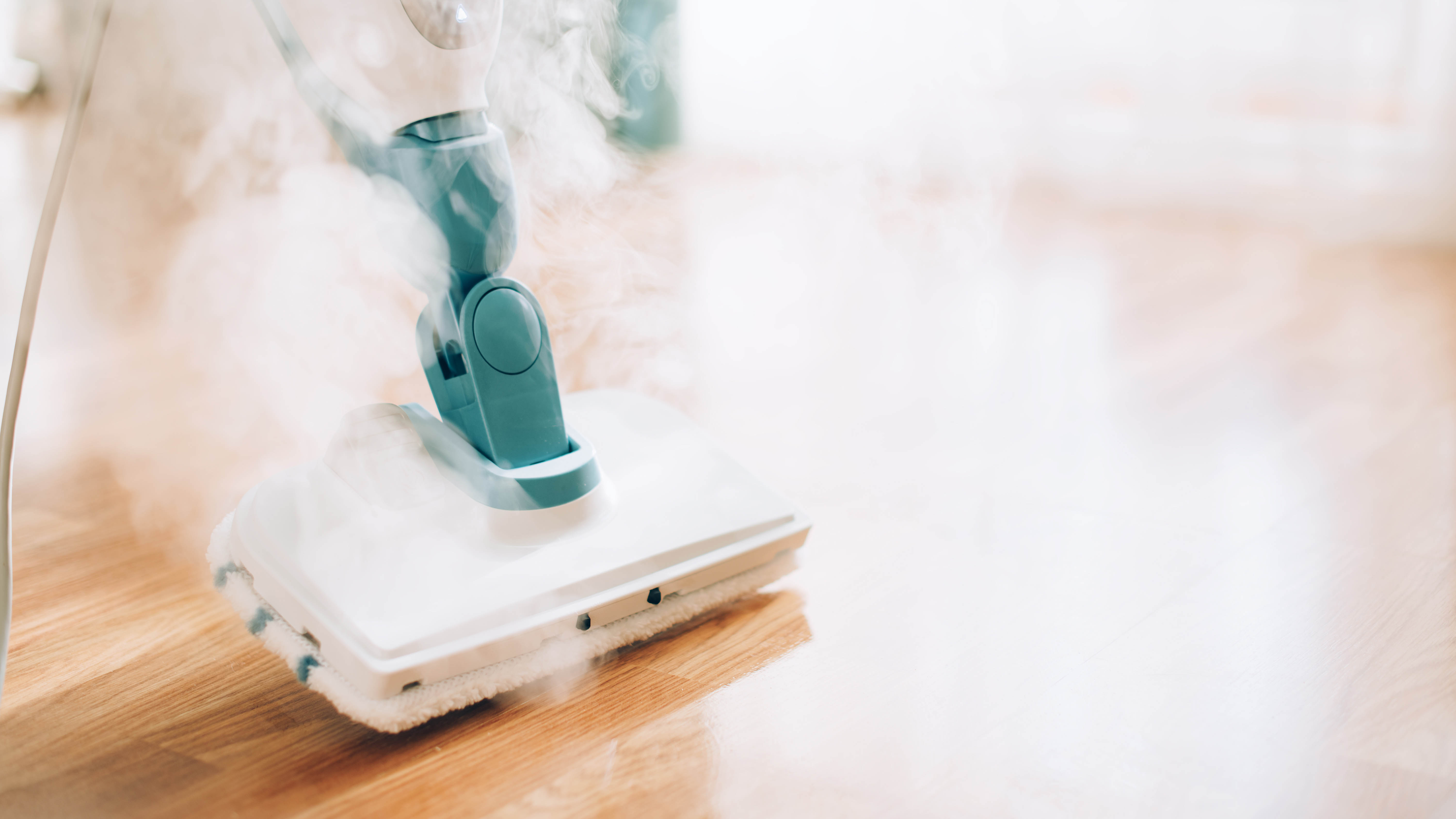
“While homeowners may think a steam clean equals a deep clean, the truth is that these cleaners push excessive heat and water onto the floor,” says Gustafon.Instead of giving your floors a deep clean, she says it can lead to cupping, warping and long-term damage.Did you know?
Cupping occurs when the edges of hardwood flooring rise higher than the center, to create a ‘cupped’ or concave shape.
2. The nail polish remover culprit
Acetone is another culprit that can damage your floors, and it’s commonly found in nail polish remover. Gustafon explains that it’s a product homeowners often use to remove tough stains from hardwood floors, but it can do more harm than good. “Acetone is highly abrasive and can strip away the floor’s protective finish, leading to dullness and discoloration and leaving the floor vulnerable to damage,” she warns.
3. Deep cleaning with vinegar
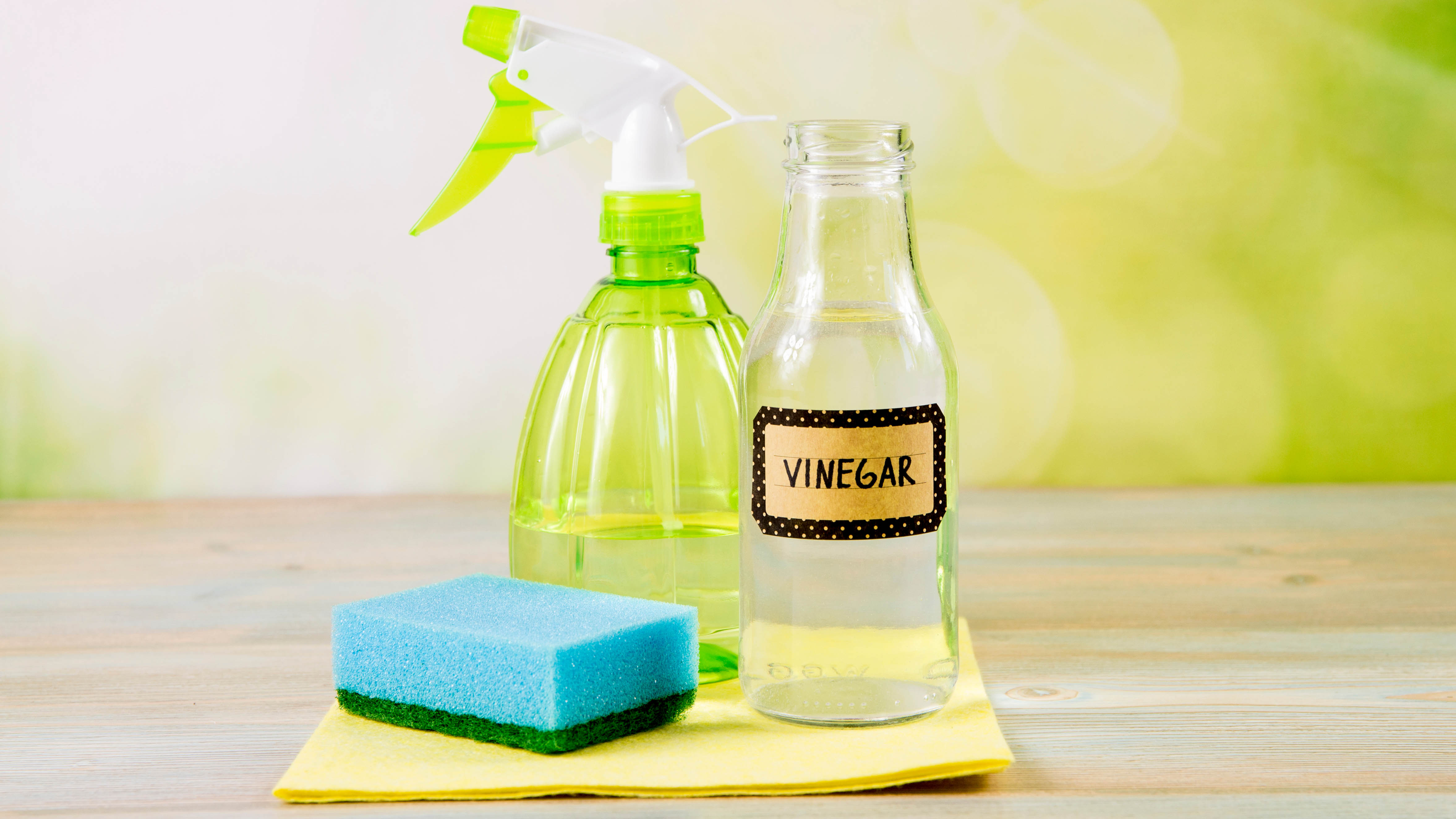
Gustafon also warns against cleaning your floors with vinegar, either made up as a DIY water and vinegar solution, or purchased as a vinegar-based cleaning product.“Because vinegar is an acid, it can actually cause significant damage to the floor. Over time, vinegar eats away at the floor’s finish, ultimately reducing its shine and leaving behind a dull appearance while making the floor vulnerable to damage,” she explains.Using vinegar and water to clean floors can also leave too much water on the surface, which in itself can cause a problem.
4. The DIY soap and water combo
“Much like vinegar, a soap and water solution can lead to several issues that compromise both the appearance and safety of your floors,” she says.And she warns that over-saturating your floors can damage tile grout and lead to mold or mildew growth over time. She also warns against using this method on hardwood surfaces.
Excess moisture can damage the wood’s finish, causing it to appear dull, and can even lead to swelling, warping or cracking
Stacey Gustafon, Bona
“Excess moisture can damage the wood’s finish, causing it to appear dull, and can even lead to swelling, warping or cracking,” Gustafon explains.Soap is another culprit that’s best used with caution. “Soap also leaves behind a residue that dulls the finish, creating a cloudy or streaky appearance,” she says.Apart from dulling the surface, the soap residue can make the floor’s surface slippery, increasing the risk of slipping or accidents.
5. The all-in-one vacuum with beater bars
Gustafon also warns against assuming that what’s good for your carpet is also good for other flooring surfaces, advising that vacuuming is not necessarily the best choice. “In the case of wood and other hard-surface flooring options like vinyl, an old-school vacuum with beater bars and wheels can be your floor’s worst enemy. Beater bars and wheels can scratch and ding your floors even when using proper cleaning technique,” she explains.Instead, she advises switching to mops and brooms specifically formulated to safely and effectively clean the flooring surface at hand.
4 alternative floor cleaning methods to follow
1. Embrace sprint cleaning
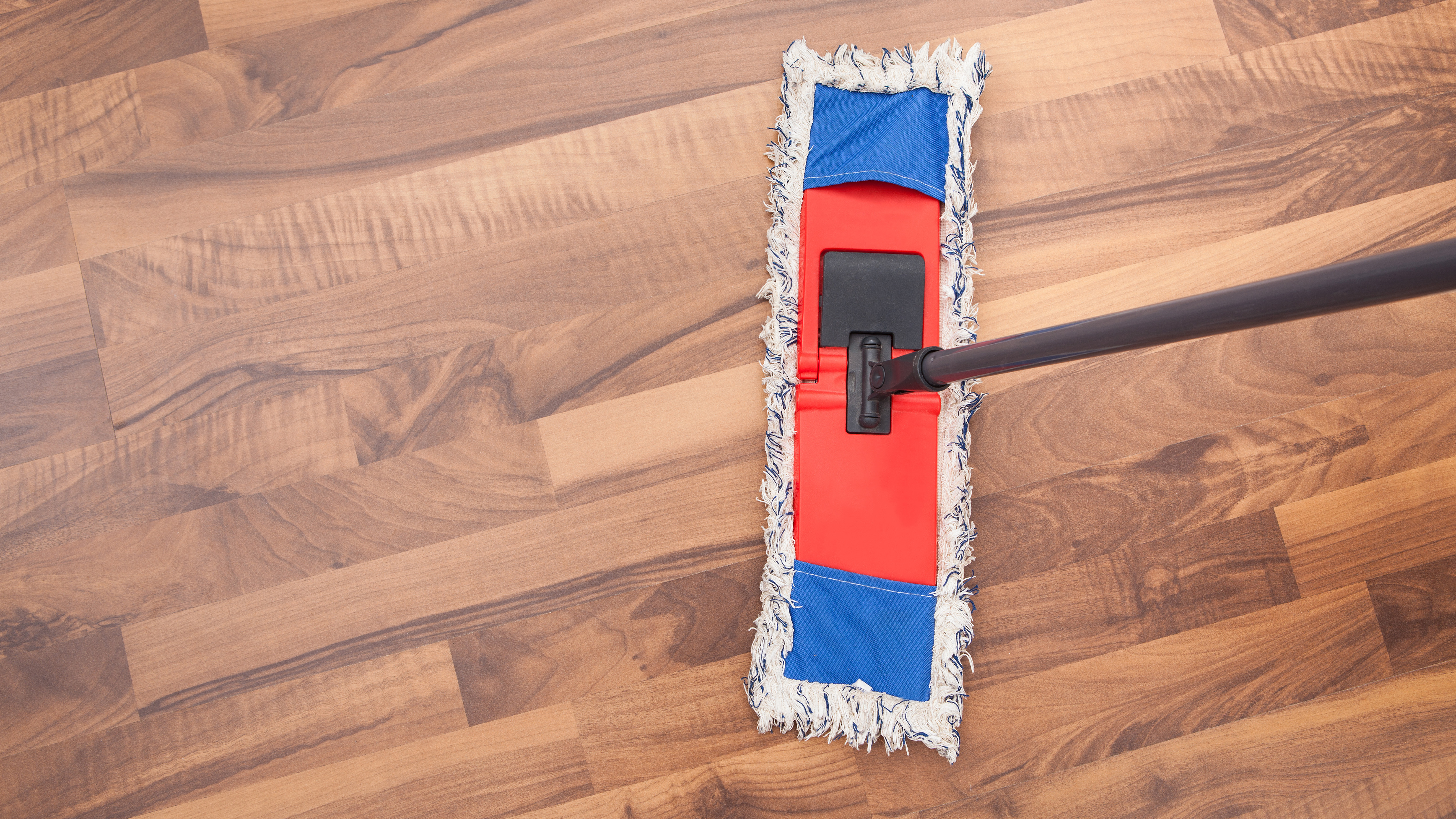
Instead of carving out time for a single major seasonal deep clean or rushing through quick tidy-ups that prioritize speed over results, Gustafon recommends embracing the ‘sprint cleaning’ trend. She explains that the method is rooted in targeted, high-quality cleaning sessions — tackling one task or area at a time with purpose. “This approach helps maintain a cleaner home over time and removes the stigma that cleaning is overwhelming or a big hassle.“By integrating simple tasks like sweeping and mopping into daily routines, you can better protect floors from the dirt, dust, and debris that could cause long-term damage,” she adds.
2. Ditch string mops for spray mops
“The old string mop-and-bucket method is not only exhausting, but also unsanitary and can damage your floors over time from excessive moisture exposure,” says Gustafon.
Spray mops utilize a targeted spray mechanism that helps to limit the amount of liquid on your floors and deliver an even distribution of cleaning solution
Stacey Gustafon, Bona
She explains that these mop heads are known to trap dirt and bacteria when not cleaned properly and regularly, which then leads the particles to be pushed around on your floor, ultimately scratching its surface over time. For best results when mopping, she recommends opting for a spray mop. “Spray mops utilize a targeted spray mechanism that helps to limit the amount of liquid on your floors and deliver an even distribution of cleaning solution.”
3. Switch to microfiber cleaning pads
Gustafon describes microfiber as an excellent reusable material for cleaning floors, and says it’s worth considering when choosing a mop. “It’s tough on messes yet gentle on surfaces — it prevents scratches while lifting dirt, dust and debris with ease, delivering a more sustainable and thorough clean.”
4. Opt for a neutral cleaning solution
To protect your floor in the long-term, she recommends opting for a pH-neutral water-based cleaner that’s specifically formulated for your floor type. This should ensure the surface is left residue-free and the the material is protected against harm and discoloration.