
Get all your news in one place.
100’s of premium titles.
One app.
Start reading
Ideal Home
Ideal Home
Jenny McFarlane

5 simple ways to tell if your dehumidifier is *actually* doing its job according to experts – and what to do if it's not

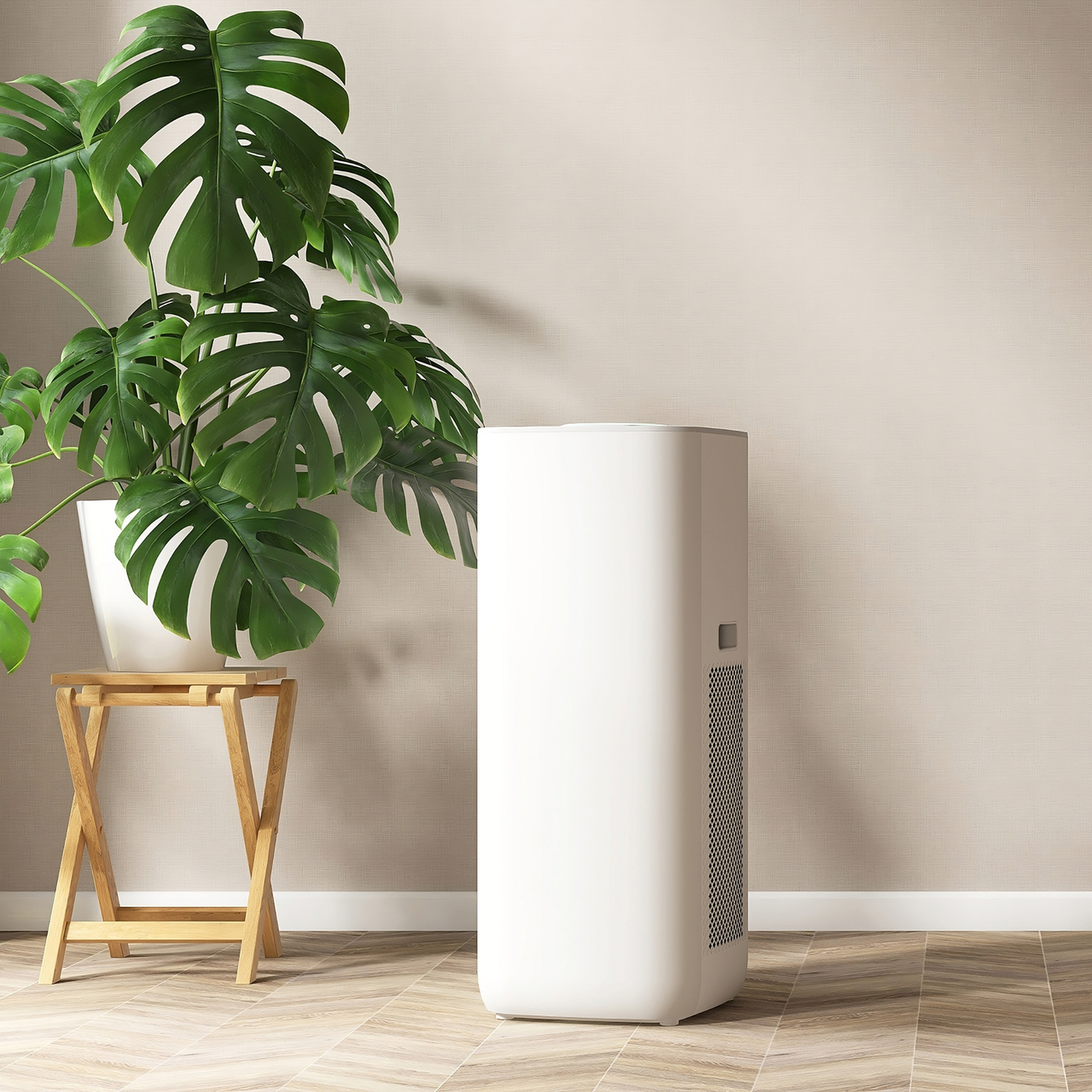
White modern design air purifier, dehumidifier, monstera plant tree on parquet floor in beige brown wallpaper wall empty room in sunlight from window.

If you've got a dehumidifier humming away in the background, but you're still battling condensation or your washing isn't drying as fast as usual, it's only natural to wonder whether it's actually doing anything at all.

I've tested some of the best dehumidifiers in my own home, and I've learned that when one is working properly, the signs are easy to spot when you know what to look for.

In my own experience, it usually boils down to simple dehumidifier mistakes like using it in a room that's too cold or blocking the airflow. So before you give up on your dehumidifier or replace it with another one, I've asked the experts for five simple checks you can do right now to see whether your dehumidifier is actually doing the job it's supposed to.

Here are the signs the experts say you should look out for.

(Image credit: Quiet Mark/Meaco)

1. Check the water level in the tank

It might sound pretty obvious, but it's the quickest and most reassuring sign your dehumidifier is working. If it's collecting water from the air, the water will fill up in the tank, says Katie Lilywhite, AO.com's small appliances expert.

'If the water level is filling up and regularly needs emptying, that is a sign that your dehumidifier is effectively picking up moisture and therefore in good working order,' explains Katie.

A small amount of water after a few hours is completely normal, especially if you're running it in a relatively dry room. In damp spaces like bedrooms with window condensation issues or a utility room, drying laundry indoors in winter, you should see the tank filling up more over a day or two.

If there's no sign of water at all, it's worth doing these checks:

  • The tank is properly fitted in the unit
  • You're not already at or below your target humidity level set on the unit

2. Feel for the airflow

Katie says, it may seem obvious, but feeling for the airflow is one thing people seem to forget to check, as a dehumidifier should be actively pulling in and pushing drier air back out again.

'Simply place your hand above the extractor fan, maintaining a safe distance, and feel for airflow – if there is no or little airflow, it indicates that your dehumidifier is not functioning,' advises Katie.

You should feel a steady stream of air, even if it's fairly gentle but not weak. If there's little or no airflow, that's a sign it's not working properly.

If there's not much airflow, it's worth checking the following:

  • The air filter isn't clogged with dust or fluff
  • The unit isn't pushed up against a wall
  • Nothing is blocking the air vents
(Image credit: Meaco)

3. Measure the humidity of the room

Dehumidifiers usually have a digital display, and this is one of the handiest tools you've got. When the machine is working, the percentage should gradually fall over time.

Katie explains that you can measure the overall humidity of the room using a hygrometer to see if the dehumidifier is effectively reducing the humidity to a comfortable level. 'A measure of between 30-50% humidity is an indicator that your dehumidifier is working,' advises Katie.

A good idea would be to take a quick note of the humidity level when you switch it on, then check it later the same day. A slow drop is normal, but the same number isn't.

Chris Michael, CEO of Meaco, adds that 'if the unit becomes quieter or switches on and off, this is usually a sign it is set to target humidity mode and is regulating itself as designed.'

(Image credit: Pro Breeze)

4. Check the temperature of your home

The temperature of your home has a big impact on how well your dehumidifier can work, and sometimes it's recommended not use a dehumidifier in winter at all if your home is too chilly, advises Chris Michael.

'Colder spaces slow moisture extraction and make the process less noticeable,' he explains.

Most compressor dehumidifiers perform best in rooms that are at least around 15°C, so if your home is much colder than that, say in spare rooms, utility spaces or during cold snaps, your dehumidifier will slow down its efforts.

If you're using a dehumidifier in a consistently cold house, a desiccant dehumidifier like Meaco's DD8L Pro Desiccant dehumidifier, £259 at Amazon, is a better option in these conditions.

5. If it's helping the problem you bought it for

The most obvious and most important check of all is whether the dehumidifier is actually solving the problem you have in your home.

'Practical changes such as reduced condensation on windows, quicker indoor laundry drying and no more damp smells are often the clearest indicators that a dehumidifier is working properly,' explains Chris.

If you can spot improvements to your humidity woes over a number of days, your dehumidifier is working the way it should.

Dehumidifier troubleshooting

If your dehumidifier still doesn't seem to be working, and before you decide it's faulty, you should check the following:

The best dehumidifiers we've tested

A working dehumidifier collects water, lowers humidity and makes your home feel more comfortable over time. If you can tick off even two out of these checks, it is doing its job!

However, if it's not, you might need to look at choosing a new dehumidifier that's right for your home.

Sign up to read this article
Read news from 100’s of titles, curated specifically for you.
Already a member? Sign in here
Related Stories
Top stories on inkl right now
One subscription that gives you access to news from hundreds of sites
Already a member? Sign in here
Our Picks
Fourteen days free
Download the app
One app. One membership.
100+ trusted global sources.