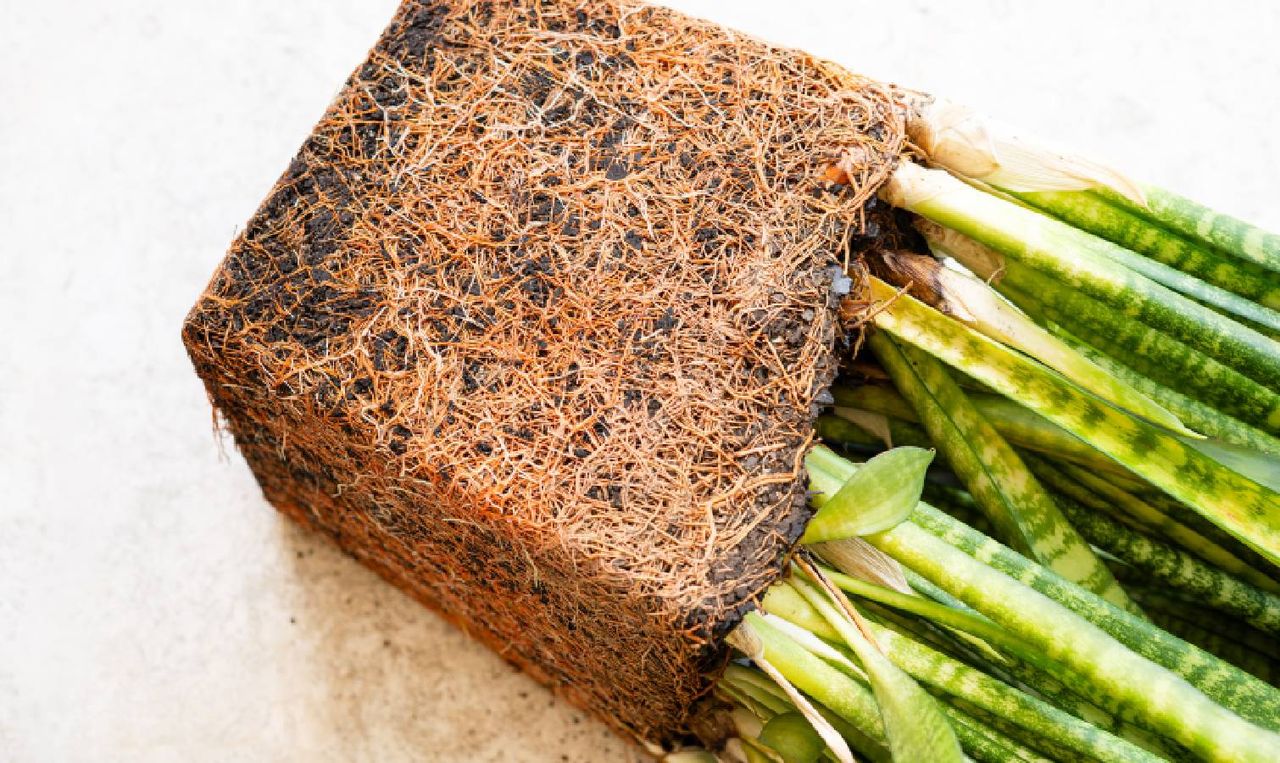
If some of your potted plants aren’t looking so good and you think you’ve tried everything, they may be root-bound. This stealthy condition often mimics under-watering or nutrient deficiencies, leaving many well-meaning plant parents completely baffled.
It happens quietly beneath the soil line, slowly choking off the plant's lifelines until intervention becomes absolutely critical. ‘Root-bound’ simply means the plant has outgrown its container. Its roots have filled all of the space and formed a dense, tangled mass. To learn the signs of a root-bound plant and how to save it, read on.

1. Visible roots
Can you see roots emerging from the drainage holes at the bottom of the pot or from the soil on the surface? Visible roots are the most obvious sign that a plant’s roots need more space and are actively searching for a way out.
When roots begin wrapping tightly around the upper rim of the soil, the plant is practically begging for a larger home.
2. Soil drying quickly
If you discover that you’re having to water a plant more often, that you’re finding the topsoil dry earlier than usual, that’s probably because the roots have taken up so much space that there’s less soil to absorb moisture.
Without enough soil acting as a sponge, the water quickly evaporates. You might find yourself watering every couple of days instead of your usual weekly routine just to keep the plant upright.
3. Leaves turning yellow
If the foliage wilts soon after watering, or leaves are yellowing and falling off, that’s because the roots can no longer draw sufficient nutrients from the soil. The packed roots are limiting what moisture and nutrients the soil can provide; the roots need more space and soil to thrive.
This structural starvation often starts with the oldest, lowest leaves losing their color first as the plant prioritizes survival.
4. Water running straight through
When you water your plant, does the water seem to go through the soil and straight out the drainage holes? That’s another sign that the roots are occupying too much space, creating a solid block that forces water to slide right down the inside edges of the pot instead of soaking in.
If the drainage saucer fills up instantly while the actual root ball stays bone-dry, you have a classic root-bound situation.
5. Poor growth
Have you noticed that new foliage isn’t growing or the growth is smaller than usual? That’s another sign that your plant is root-bound and not obtaining the nutrients it needs to thrive during its peak growing season.
Without room to expand below, the plant simply lacks the biological energy required to push out impressive new leaves above.
How to salvage your root-bound plant
Carefully ease the plant from its pot by supporting the base of the main stem. Squeeze the plastic sides or run a blunt knife around the inner rim of rigid containers to break the suction.
Next, examine the roots and gently tease them apart with your fingers so they can grow outward. If they are completely compacted, use sterile shears to make a few shallow, vertical cuts and trim away dead or circling roots — up to 25% of the total mass.
Move the plant into a new container that is one to two inches larger in diameter and features good drainage holes. Settle it on a layer of fresh potting mix at its original soil level, fill the sides, and press down gently to remove air pockets.
Finish by watering thoroughly to settle the soil, placing the pot in bright, indirect light, and waiting 2 to 4 weeks before fertilizing so the roots can safely recover.