
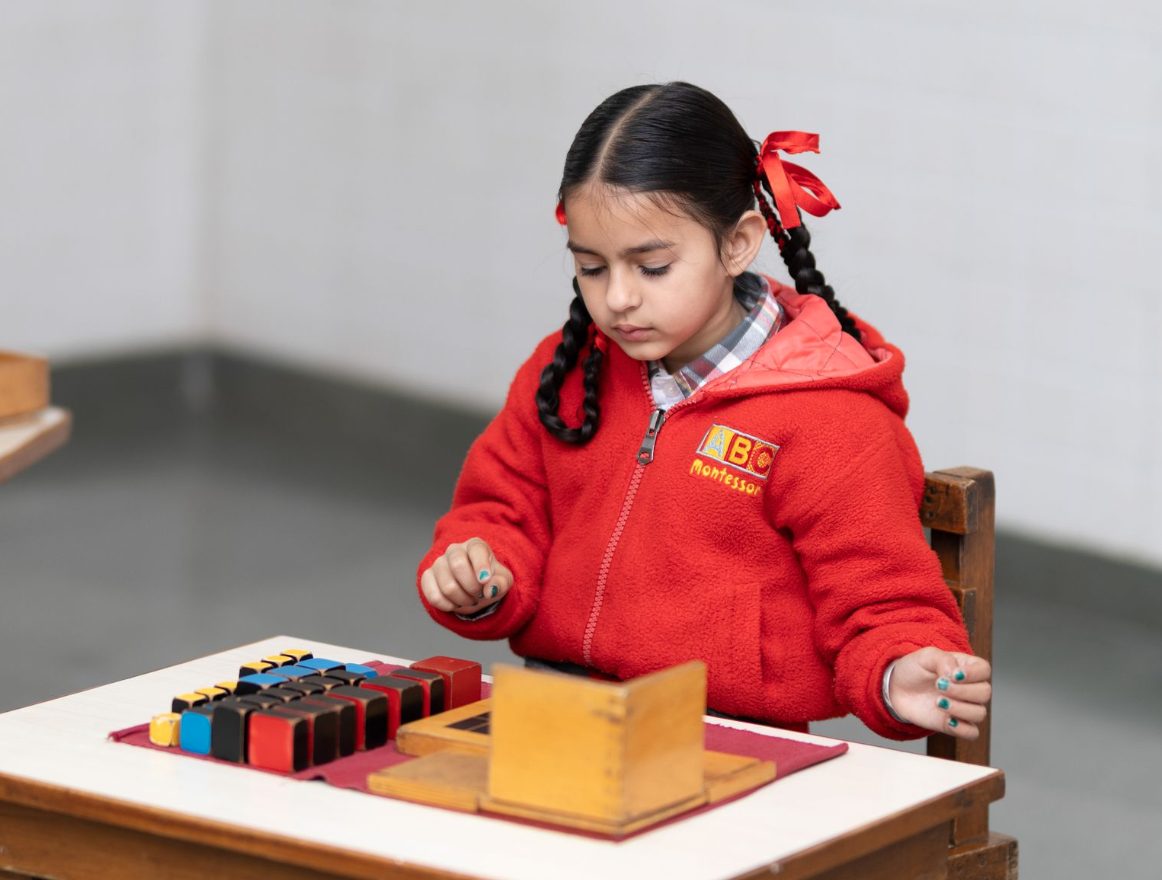
School provides more than academics. It creates a predictable routine that helps children feel secure, manage their time, and regulate their emotions. When summer break, extended holidays, or unexpected schedule changes arrive, some children adapt quickly while others struggle with the sudden loss of structure. Research and child development experts consistently note that routines support emotional well-being, making it important for parents to recognize when the transition is becoming difficult. Understanding the signs your child is struggling can help you step in early and create a smoother adjustment.

1. Increased Irritability and Emotional Outbursts
One of the most common signs your child is struggling with the loss of school structure is a noticeable increase in irritability. A child who normally handles frustration well may suddenly become quick to anger, argue more with siblings, or have frequent meltdowns over minor issues. Without the predictable schedule of classes, meals, activities, and social interaction, some children feel unsettled even if they cannot explain why. For example, a child who spent the school year following a set routine may become overwhelmed when every day feels different. If emotional outbursts become more frequent than usual, it may signal that the lack of structure is affecting their ability to self-regulate.
2. Changes in Sleep Patterns
Sleep disruptions are another important indicator that your child is struggling. Children often thrive when they have consistent wake-up and bedtime schedules, but long breaks can quickly throw those habits off balance. You may notice your child staying up much later, sleeping excessively, or having trouble falling asleep altogether. These changes can create a cycle where poor sleep leads to mood swings, reduced focus, and lower energy levels during the day. Experts frequently point to routine as a key factor in healthy sleep habits, making sudden disruptions worth monitoring.
3. Excessive Screen Time and Lack of Motivation
Many parents expect screen time to increase when school is out, but excessive reliance on devices can sometimes reveal deeper issues. A child who seems uninterested in hobbies, outdoor activities, or spending time with friends may be using screens as a way to fill the void left by structured school days. This is one of the more subtle signs your child is struggling because it can initially look like typical vacation behavior. However, if they appear disengaged from activities they once enjoyed, it may indicate boredom, stress, or difficulty adapting to unstructured time. Creating a simple daily schedule with planned activities can often help restore motivation and balance.
4. Increased Anxiety or Physical Complaints
Children do not always express emotional stress with words. Instead, they may complain about headaches, stomachaches, or feeling unwell, especially when no clear medical cause is found. Anxiety can increase when routines disappear because children often rely on predictability to feel safe and confident. For instance, a child who knew exactly what to expect every school day may feel uncertain when each day unfolds differently. Parents should pay attention if physical complaints become frequent or are accompanied by clinginess, nervousness, or excessive worrying. These can be important signs your child is struggling and may benefit from additional support.
5. Difficulty Managing Responsibilities
A child who suddenly forgets chores, resists simple responsibilities, or struggles to complete basic tasks may be feeling the effects of lost structure. School naturally reinforces organization through assignments, deadlines, and daily expectations. When those systems disappear, some children have difficulty creating their own routines. You might notice unfinished chores, forgotten commitments, or constant reminders being needed for simple tasks. While occasional forgetfulness is normal, a consistent pattern may suggest that your child needs more guidance and structure at home.
Why Rebuilding Routine Matters More Than You Think
The good news is that these signs your child is struggling do not automatically indicate a serious problem. In many cases, children simply need a predictable framework to help them regain a sense of stability and confidence. Establishing regular wake-up times, meal schedules, physical activity, and family routines can make a significant difference within a few weeks. Parents should also create opportunities for social interaction, creative play, and open conversations about feelings. By recognizing the warning signs early, families can help children enjoy their break while maintaining the emotional security that structure provides.
Have you noticed any of these signs your child is struggling during school breaks or summer vacation? What strategies have helped your family create a healthy routine when school is out? Share your experiences and advice in the comments below—we’d love to hear what has worked for you.
What to Read Next
7 Skills Autism Parents Say Their Children Lose Over Summer Vacation
7 Warning Signs Your Child Is Spending Too Much Time Online This Summer
Does Your Child Qualify for Summer Special Education Services?
The post 5 Signs Your Child Is Struggling With the Loss of School Structure appeared first on Kids Ain't Cheap.







