
I have a knack for romanticizing plenty of ordinary things, and I've always loved the snow – but it's hard to romanticize glacial temperatures and frozen pipes.
With more snowstorms looming, I'm determined to arm myself with some plumbing knowledge so that I can avoid any nasty emergencies. If I can spot the signs that pipes have frozen, I know I can act fast to ensure my home remains safe, warm, and leak-free.
Naturally, it can be difficult to stop pipes from freezing when the temperature drops and snow piles up. Insulating your pipes is crucial (I'm stocking up on foam tube pipe insulation from Walmart), and it's always wise to keep your home as warm as you can to prevent ice from forming in your pipes.
In extreme conditions, however, frozen pipes can become an unfortunate reality, no matter how prepared you are. And while it's vital to know what to do if a pipe bursts, recognizing the signs of a frozen pipe will help you avoid any worst-case-scenarios.
The Biggest Signs Your Pipes Have Frozen
1. Problems With Water Flow
This is the biggest indicator that your pipes have frozen – and fortunately, it's the easiest to spot.
If only a trickle of water is leaving your faucet in cold temperatures, it's likely that your pipes are in the process of freezing up. And, unsurprisingly, if there's no water at all – from just once faucet, even if the rest are working – your pipes may have already frozen (unless your water utility is doing maintenance nearby, or you've simply run out of hot water).
'Frozen pipes do not always freeze overnight or affect the entire home,' explains Tim Alagushov, co-founder and CEO of IRBIS Air, Plumbing & Electrical. 'In many cases, freezing happens locally, especially inside exterior walls, near fixtures, or at shower cartridges where hot and cold water mix. So, you may still have water in most of your house while one faucet suddenly loses pressure or stops working.'
Since low temperatures can lead pipes to split after they freeze, avoiding burst pipes is all about spotting signs like this – and knowing how to react.
'If pipes freeze, shut off the main water supply and thaw gently using warm air only,' advises Tim.
2. Slow Drainage
When temperatures plummet, it's a good idea to keep an eye on your drainage.
According to experts, slow drainage in both your sink and your toilet could be a sign that your pipes are freezing. Check if water is taking a while to drain from your sink, or if your toilet bowl is struggling to refill – this could mean that water can't travel through your pipes.
3. Sewage Smells
No one likes a questionable drain smell, and if you've noticed any sewage odors, you could be dealing with a blockage or a frozen pipe.
This one hadn't occurred to me before, but ice can, in fact, trap odors – leading them to come right back up your drain. If you're dealing with an unpleasant smell but no water, the chances are that your pipes have frozen.
4. Frost and Condensation on Your Pipes
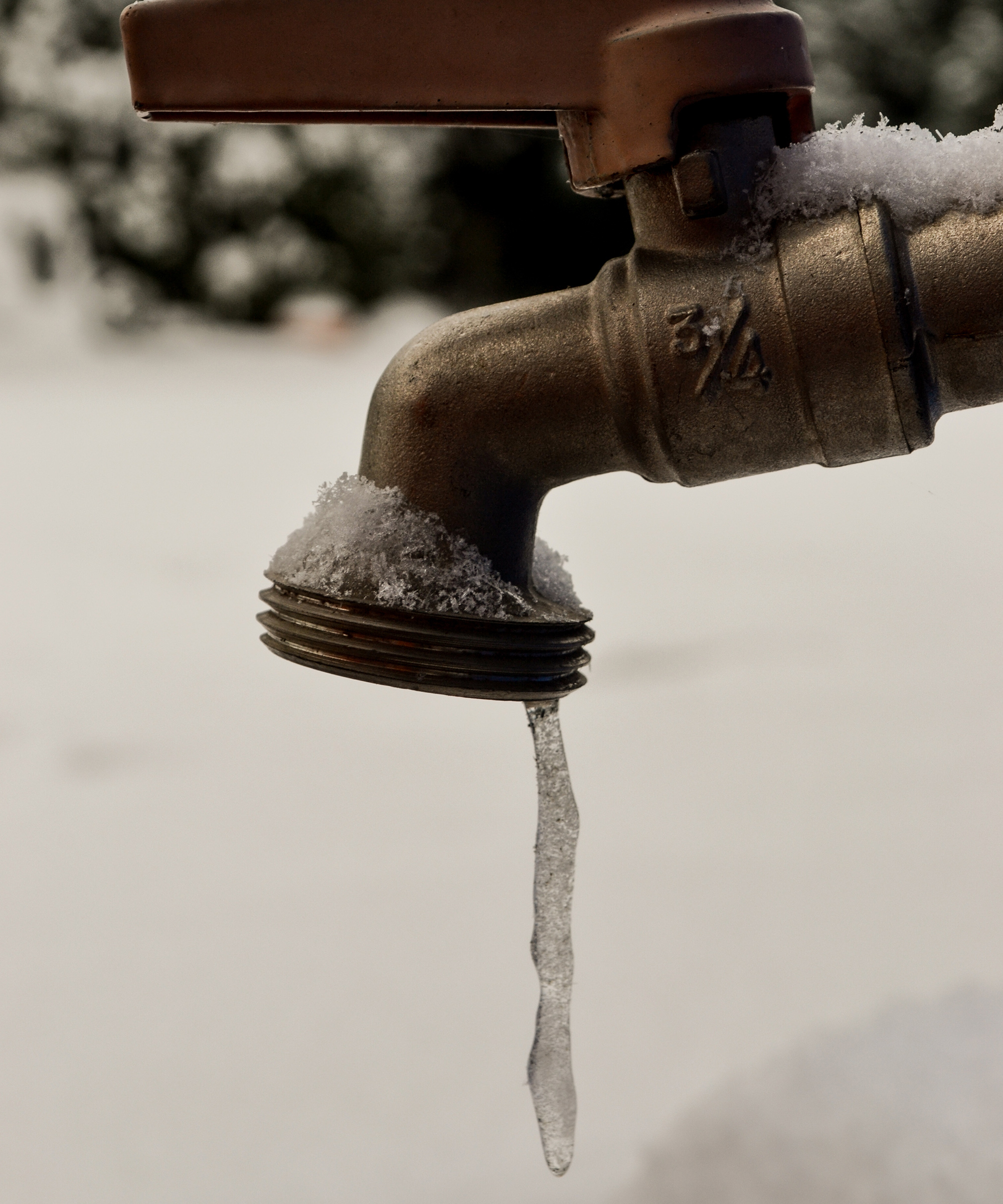
Often, checking for frozen pipes means venturing outside to inspect any exposed pipes you can find.
When it comes to appearance, you'll want to look for changes including frost and condensation. If you've been battling a heavy storm, your pipes may be under threat – and even a touch of frost can be a bad sign.
'Check pipes in unheated spaces,' advises Steven Morgan, Master Plumber, Certified HVAC Technician, and Head of Technical Training & Development at 24hr Supply. 'A visible frost line on the pipe or slight bulging is critical red flag.'
5. Loud Noises
As the resident of an apartment block that isn't exactly modern, I've become familiar with all the idiosyncrasies of an old plumbing system – including sudden whirring and clicking noises. It's worth remembering, however, that loud sounds coming from your pipes are never usually a good sign.
'Before a pipe ruptures, you might hear unusual clanking, bubbling, or creaking noises from within the walls as ice forms and expands,' explains Steven. In this scenario, it's always worth consulting a licensed plumber in case of a serious freeze or build-up.
What to Shop
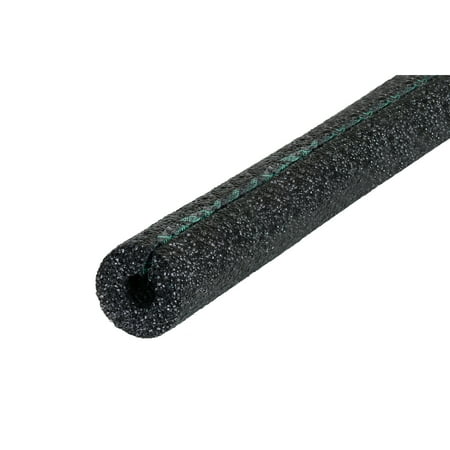
This durable foam insulation will reduce heat loss from your pipes while also protecting them from frost and condensation. It's a real savior during the winter months.
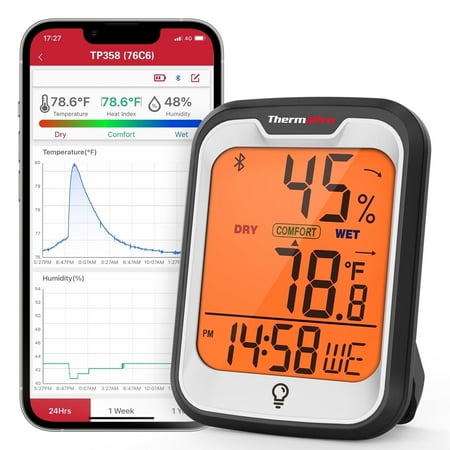
Measuring both temperature and humidity, this remote sensor boasts a range of 260 feet. It's ideal for monitoring temperatures all year round, but it's particularly helpful if you're worried about frozen pipes.
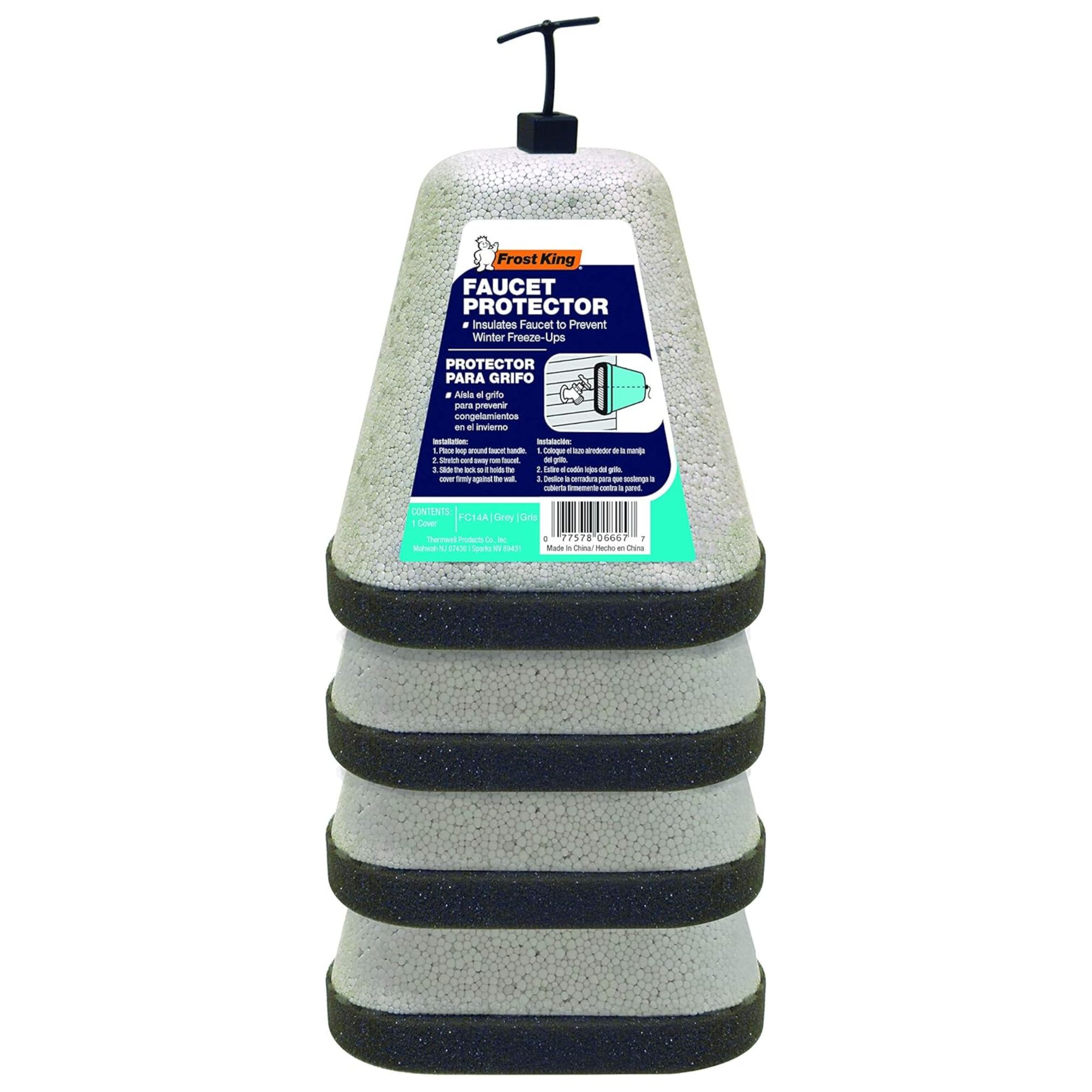
When temperatures plummet, it's best to turn your outdoor faucets off to ensure that pressure doesn't build – but if you can't, faucet covers are a great alternative. These are budget-friendly and easy to install.
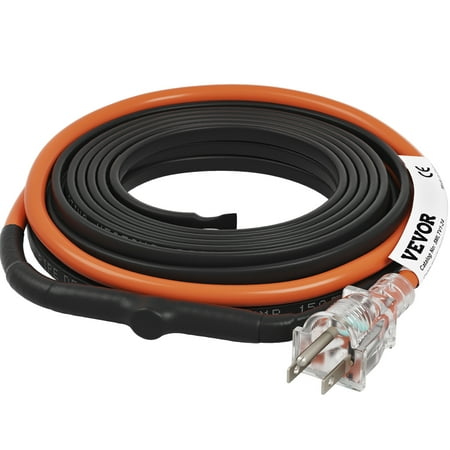
Heated cables are a brilliant investment during the winter: they run along water pipes and gently warm them up to prevent freezing. You'll just need a safe outlet for electricity.
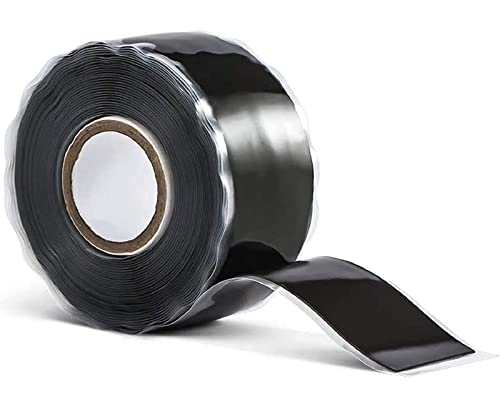
If you do encounter a burst pipe, this is an essential piece of kit to keep in your arsenal. It will help to patch up cracks and leaks before a plumber arrives to fix them.
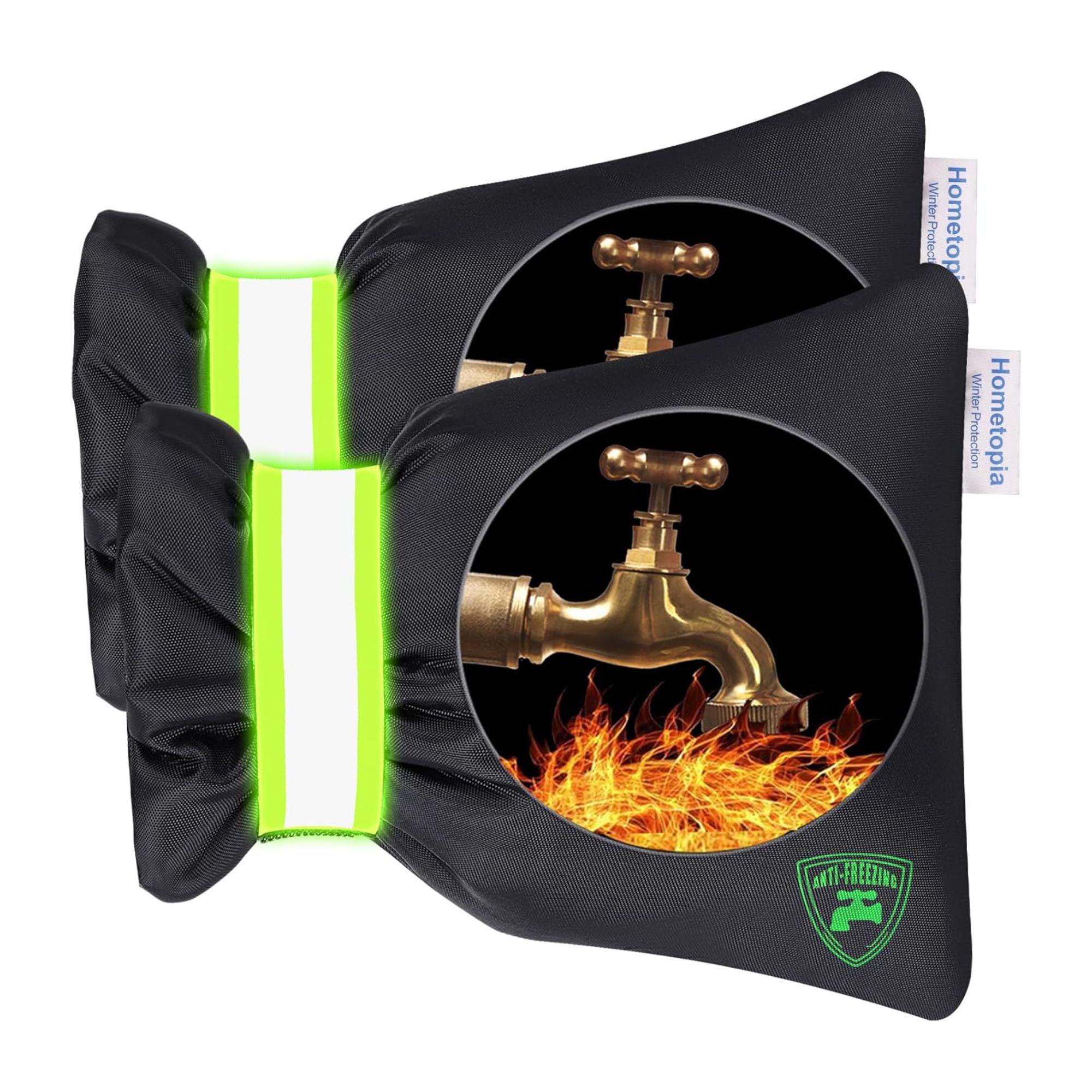
These nylon faucet covers are more compact than foam options, but they're just as durable. This set is insulated, waterproof, and easy to adjust.
Recognizing these simple signs can help you prevent freezes and leaks and avoid costly emergencies.
'Prevention is always cheaper than disaster repair,' adds Steven. 'For at-risk pipes in basements, crawlspaces, or exterior walls, proper insulation is non-negotiable. Before a hard freeze, drip your faucets – since a small, steady stream relieves pressure in the system – and keep cabinet doors open to let warm air circulate around the pipes under sinks. For the long term, know where your main water shut-off valve is.'