
After soaring nearly 40% from 2020 to 2022, median home prices have since fallen 7.2% according to the Federal Reserve. Many housing markets saw steep declines in 2025, as inventory shrank and listings sat on the market longer.
Even so, many cities remain impractically expensive for middle-class buyers. Watch out for these five cities in particular that middle-class buyers should absolutely avoid — and check out five others for a closer look.

Real Estate Markets Middle-Class Buyers Should Avoid
After polling real estate experts, these five cities came up again and again as no-go zones for middle-class buyers:
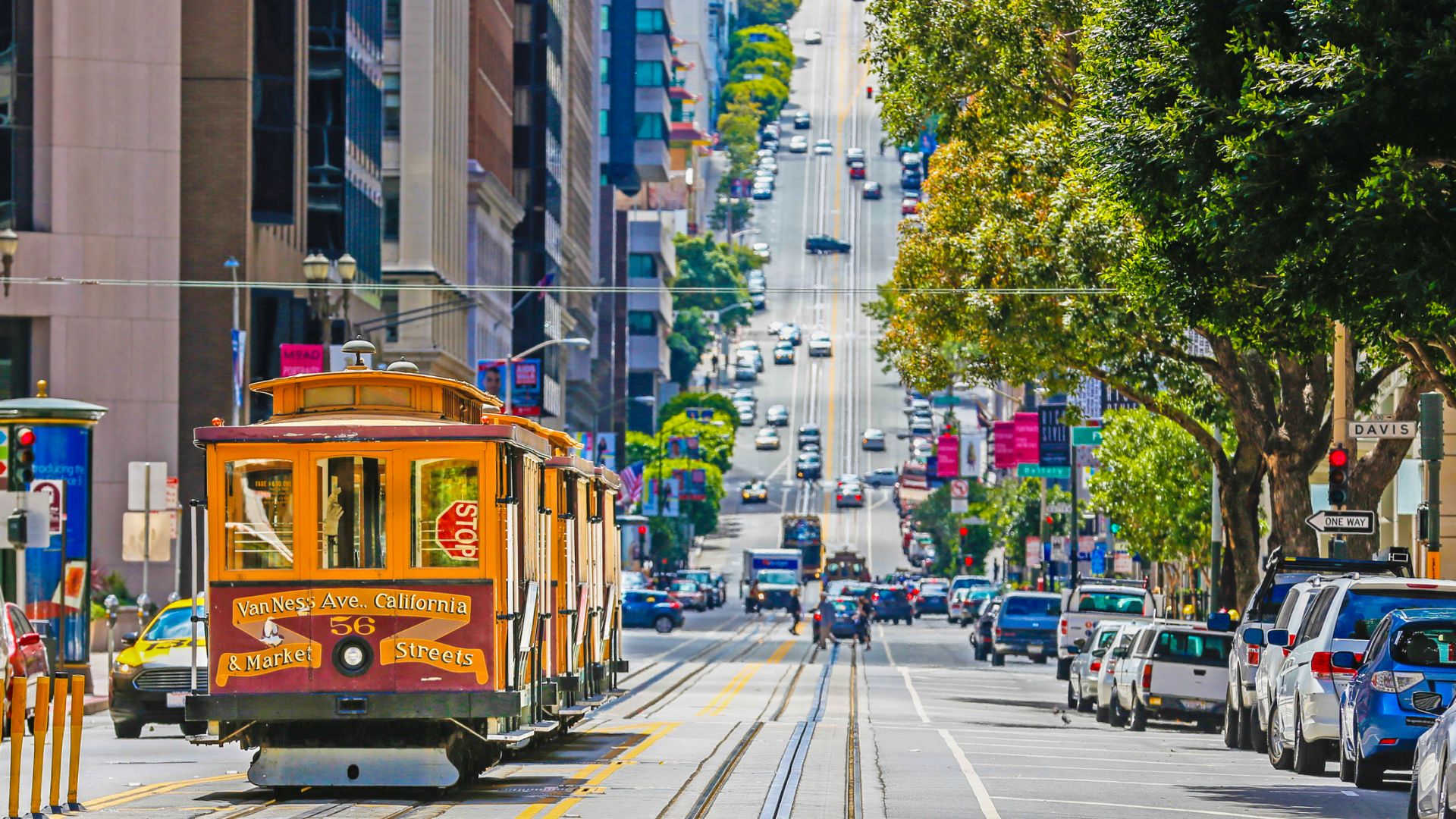
- San Francisco: $1,245,215
- San Jose, California: $1,377,506
- Seattle: $837,800
- New Orleans: $236,989
- St. Louis: $179,683
“The extreme home prices in cities like San Jose and San Francisco put homeownership out of reach for many middle-class families,” said Matt Brown, real estate agent with William Raveis Real Estate.
Affordability isn’t the only reason for middle-class buyers to avoid a city. Some cities suffer from problems at the opposite end of the spectrum: declining population, high crime rates and urban decay.
The latest Census Bureau data shows St. Louis losing residents at the fastest rate of any major city. New Orleans suffers from a similar decline.
“Homebuyers here face a weak local economy, rising flood insurance premiums and older housing stock that is expensive to maintain and fix,” said Brown.
Read More: I’m a Real Estate Agent: 5 House Items Buyers Almost Always Regret
Find Out: How Middle-Class Earners Are Quietly Becoming Millionaires — and How You Can, Too
Cities Middle-Class Buyers Should Consider Instead
Some popular cities remain affordable for middle-class buyers, without sacrificing amenities. Take a closer look at these five housing markets:
- Minneapolis: $320,925
- Pittsburgh: $233,113
- Buffalo, New York: $237,482
- San Antonio: $247,152
- Oklahoma City: $202,150
Ryan Dossey, founder of SoldFast, highlights a common theme. “If you want affordability, some of the best options are in the Rust Belt and Upper Midwest. Many of the top metros there have spent lots of time and resources reinvesting in themselves after manufacturing jobs downsized.”
Real estate investor Oren Sofrin of Eagle Cash Buyers likes Minneapolis in particular. “It stands out for its strong job market, amenities and cultural richness. Minneapolis maintains the right mix of Midwestern charm and urban vibrancy.”
If you want warmer weather and closer beaches, San Antonio can fit the bill. “The growth rate is high, but prices remain closer to local incomes than in Austin or Dallas,” said Brown.
All of these cities cost less than the national average of $360,727, despite their status as major metro areas. As you research new cities for relocating in 2026, start with these markets still offering deals.
More From GOBankingRates
- 10 Kirkland Products Costco Quietly Raised Prices on -- and Where To Buy Instead
- 5 Hybrid Cars for Middle-Class Retirees Getting Massive Price Drops for 2026
- 9 Low-Effort Ways To Make Passive Income (You Can Start This Week)
- 6 Safe Accounts Proven to Grow Your Money Up to 13x Faster
This article originally appeared on GOBankingRates.com: 5 Real Estate Markets Middle-Class Buyers Should Avoid in 2026 — and 5 Cities Still Offering Deals