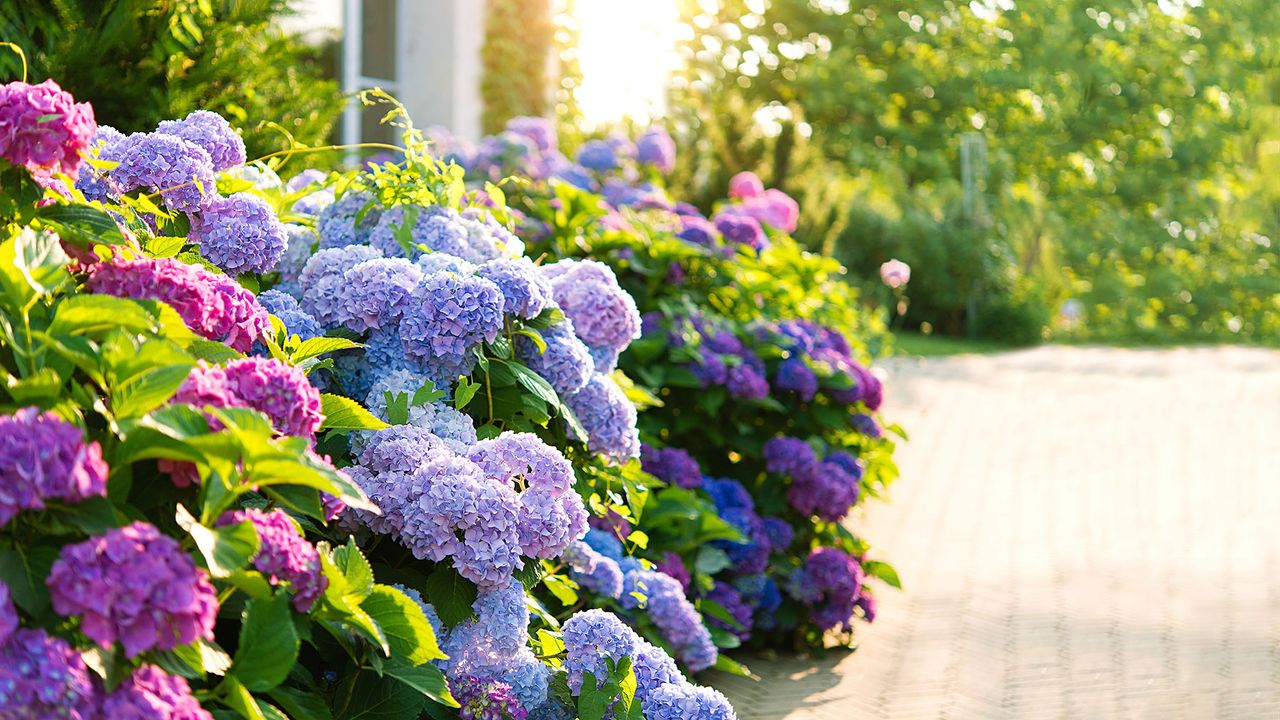
As your garden wakes up after winter, spring is the perfect time to reach for the pruning shears. Soon the year will be busy with planting and nurturing new growth, so take advantage of any extra time you have now and set your plants up for success.
Cutting back certain plants at the start of the growing season helps remove winter damage, encourages stronger growth, and can even lead to more flowers later in the year.
Pruning also helps improve airflow and sunlight penetration, which keeps plants healthier and less prone to pests or disease. The key is knowing which plants actually benefit from a spring trim, because pruning some species at the wrong time can remove the buds that would become this year’s flowers. Others simply don’t need the extra maintenance and may go into stress if unnecessary cuts are made.
Fortunately, many popular garden shrubs and climbers bloom on new growth, meaning they produce flowers on stems that have formed during the current season. These plants respond particularly well to a spring prune, since it signals to the plant that it’s time to generate new growth.
Here are five plants you should always consider cutting back in spring — and how to do it properly.
1. Roses
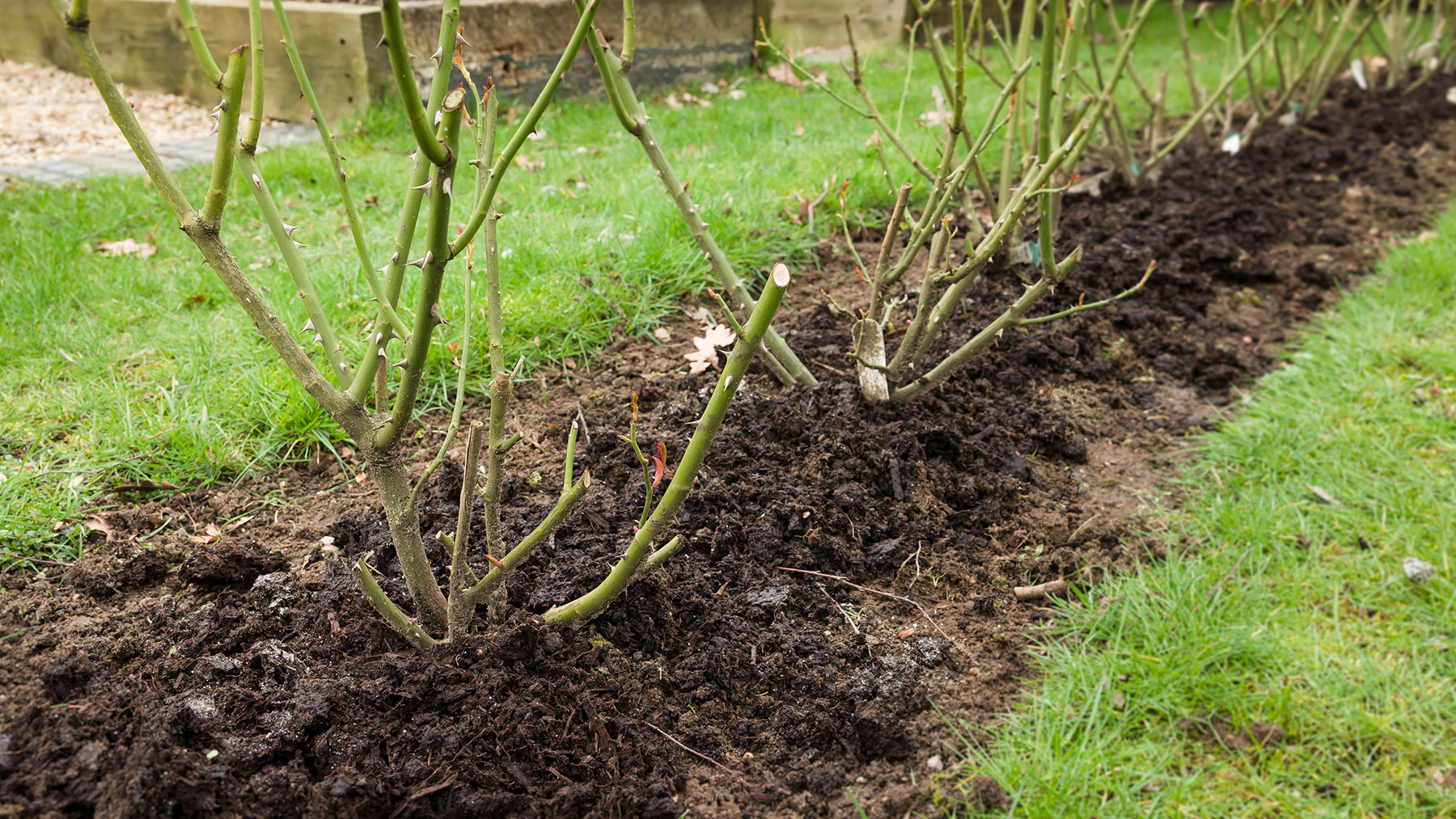
Roses are classic flowering shrubs prized for their colorful blooms and fragrance throughout summer. With that later blooming date in mind, most roses should be pruned in early spring, which is just as the buds begin to swell.
Winter often leaves behind dead or damaged stems, so make sure to remove these too — this will help the plant to focus its energy on healthy new growth. Because many roses flower on fresh stems produced in the current season, pruning now encourages stronger growth and can even prompt more blooms later on.
To prune: Start by cutting out any dead, diseased, or crossing branches, since these can restrict airflow. Then trim the remaining stems back to around 3-5 healthy buds from the base, making your cut just above an outward-facing bud. This helps create an open shape, improving airflow and keeping the plant healthy.
2. Hydrangeas
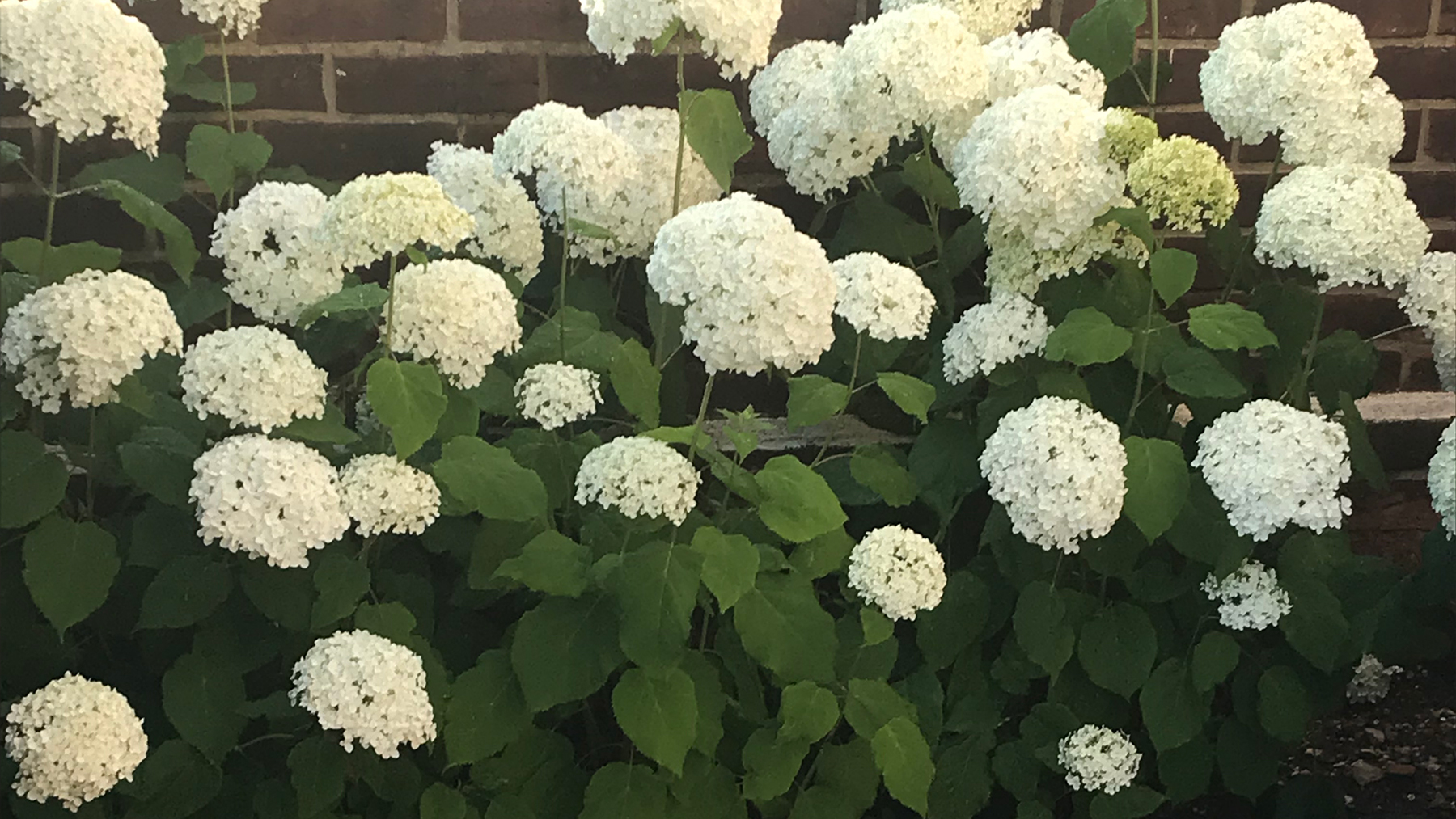
Hydrangeas are popular ornamental shrubs known for their large, showy flower heads. They come in a range of pretty pastel colors, making them a popular choice for all kinds of garden aesthetics. Certain types — particularly panicle and smooth hydrangeas — bloom on new wood, which makes spring the ideal time to prune them. As with roses, cutting hydrangeas back now encourages strong new stems that will produce and support larger flower clusters later in the season.
To prune: First, make sure you’ve identified your hydrangea correctly, as varieties that bloom on old wood shouldn’t be heavily pruned in spring. Once you’re sure, reduce last year’s growth by around one-third, cutting just above a healthy pair of buds. This will help to return the shrub to your desired shape. Remove any weak or damaged stems, then thin out crowded growth to improve air circulation.
3. Lavender
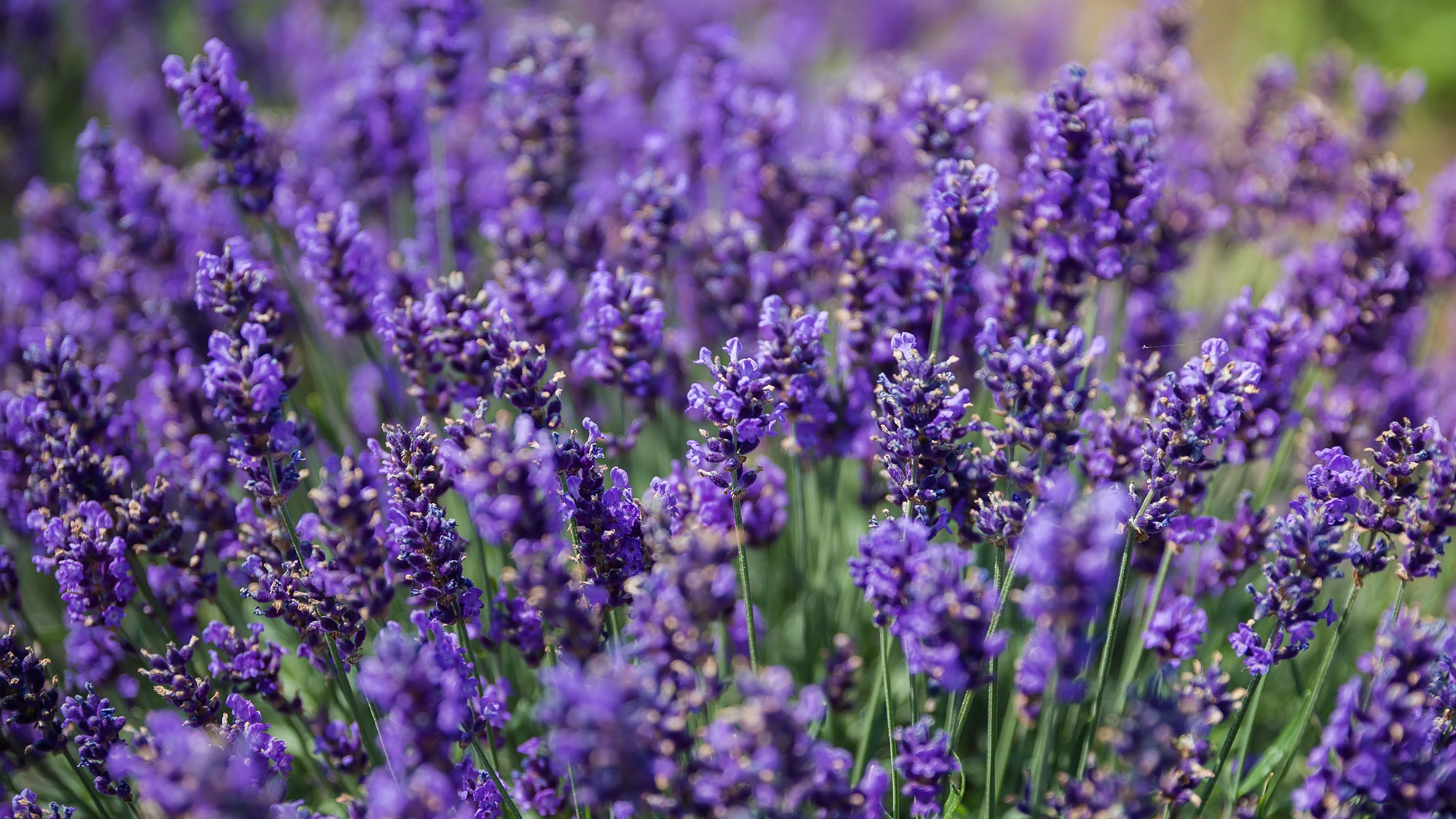
Lavender is a fragrant evergreen subshrub, loved for its silvery foliage and purple summer flowers. Originally from the Mediterranean, lavender has therapeutic properties and can even be used in cooking, although many people primarily use it to promote relaxation. While fairly easy to grow, if left untrimmed, lavender plants can become woody and leggy over time. A light prune in spring helps keep plants compact while encouraging plenty of fresh growth that will produce flowers later in the season.
To prune: Using sharp shears, trim back around one-third of the soft green growth and shape the plant into a neat mound. Be careful not to cut into the older woody stems, as lavender doesn’t regenerate well from hardwood.
4. Clematis
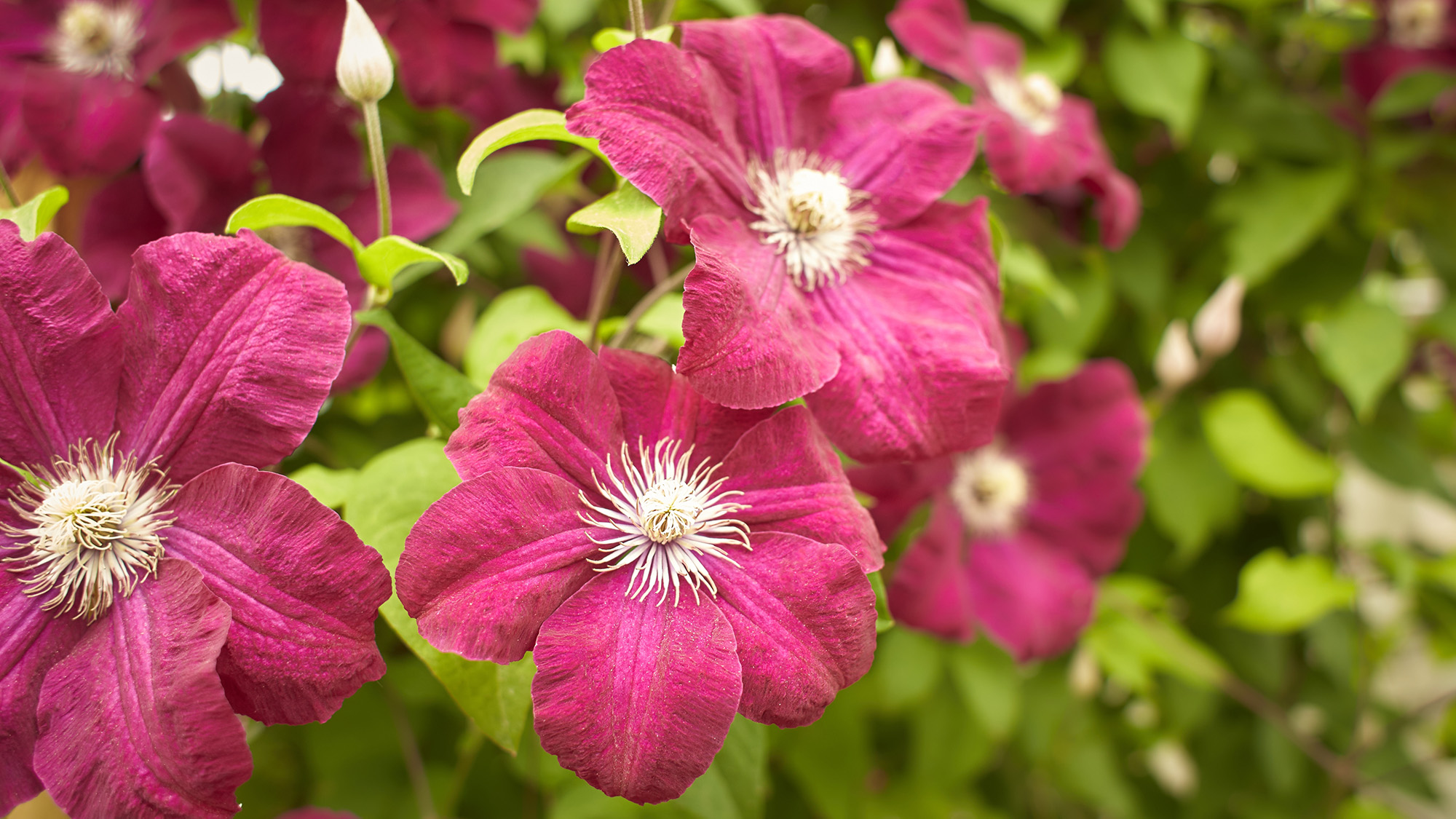
Clematis is a fast-growing climbing vine that produces striking flowers on trellises, fences, and garden arches. It’s an easy way to add visual interest to gardens, especially those with less square footage. Late-flowering clematis — sometimes called Group 3 clematis — bloom on new growth, which means they respond well to a hard prune in early spring. Cutting the plant back now encourages vigorous new shoots that will then support this year’s flowers.
To prune: Trim all stems down to about 8–12 inches above the ground, making your cuts just above a pair of healthy buds. It may look severe, but the plant will quickly send up fresh vines as the weather warms.
5. Butterfly bush
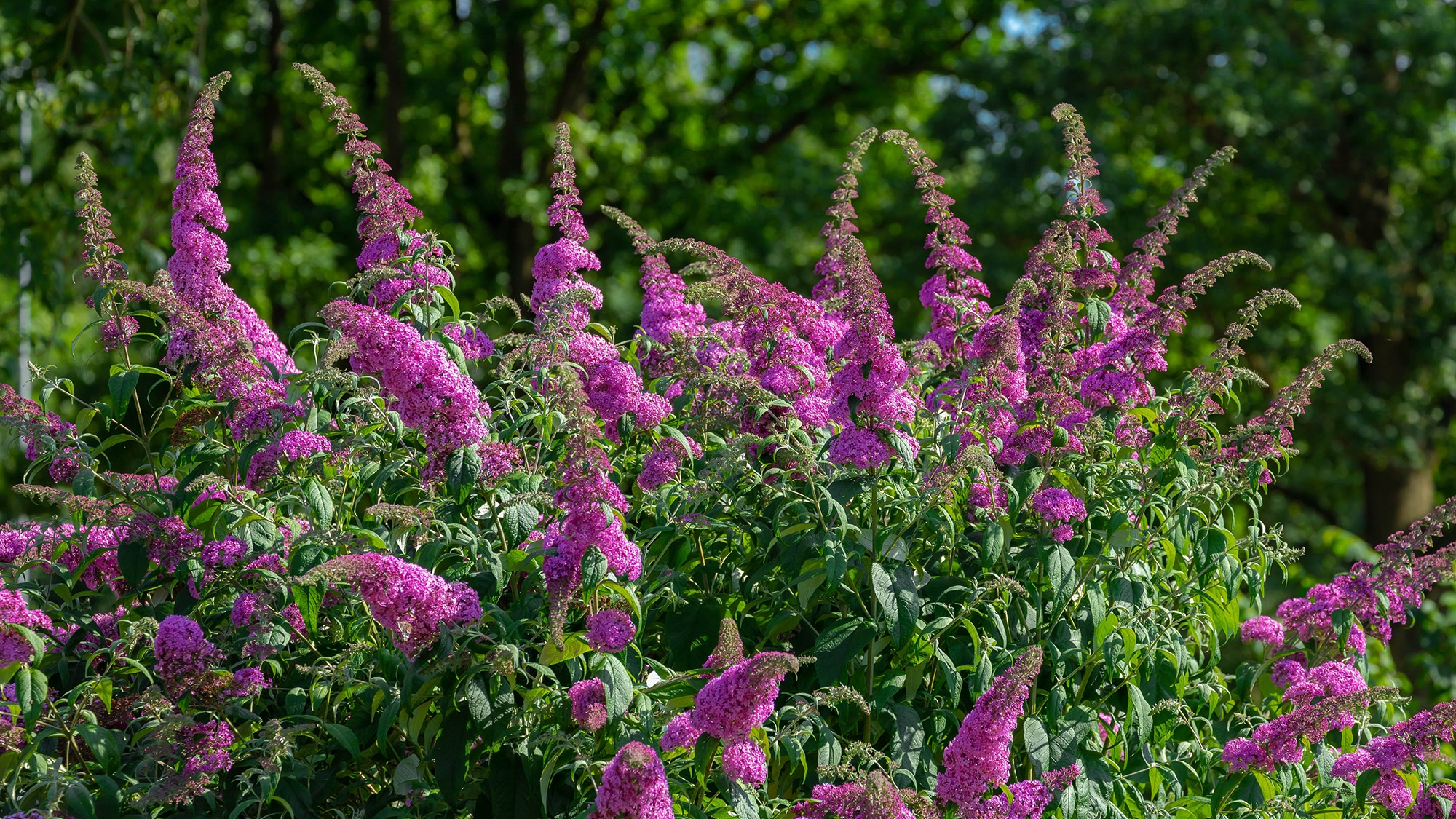
Butterfly bush is a fast-growing flowering shrub known for its long cone-shaped blooms that attract pollinators — hence the name! Available in various purples, pinks, and white, the butterfly bush adds both color and dimension to the garden. Because it flowers on new wood, pruning this plant in early spring helps to stimulate vigorous new growth and encourages bigger flower spikes in summer. Without pruning, the plant can become tall and leggy.
To prune: Similar to clematis, you can be a bit more aggressive with your pruning. Cut stems back to around 12–18 inches above the ground, removing thin or weak growth entirely. Aim to leave a framework of strong stems so light and air can reach the center of the plant.