Every day, most of us use a variety of personal hygiene products without thinking twice about what’s inside them. From the deodorant you swipe on in the morning to the shampoo you rinse out at night, these products are part of our routines. However, some ingredients commonly found in these items have been linked—at least in certain studies—to potential cancer risks. That doesn’t mean you need to panic or toss everything you own, but it does mean being informed can help you make smarter choices. Let’s take a closer look at five common hygiene products and what you should know about their ingredients.

1. Antiperspirants and Deodorants
Antiperspirants and deodorants are staples in daily hygiene routines, especially in warmer climates or active lifestyles. Some of these products contain aluminum compounds, which are used to temporarily block sweat glands. Concerns have been raised about aluminum potentially mimicking estrogen in the body, which could play a role in hormone-related cancers like breast cancer. Additionally, certain deodorants may include parabens, which are preservatives that have also been linked to hormone disruption. While research is still ongoing and not conclusive, opting for aluminum-free or paraben-free alternatives can be a simple precaution.
2. Shampoos and Conditioners
Shampoos and conditioners are designed to cleanse and nourish your hair, but some formulas may include ingredients worth a second look. Sulfates, for example, are commonly used to create that satisfying lather, yet they can sometimes contain trace contaminants like 1,4-dioxane. This compound has been classified as a possible human carcinogen in some studies. Additionally, certain products may contain formaldehyde-releasing preservatives, which have raised safety concerns over prolonged exposure. Choosing sulfate-free or “clean beauty” labeled products can help reduce potential risks.
3. Body Lotions and Creams
Body lotions and creams are meant to hydrate and protect your skin, but they can also contain a mix of synthetic ingredients. Parabens are commonly used in these products to extend shelf life, yet they have been scrutinized for their potential link to hormone disruption. Some lotions may also include phthalates, which are often hidden under the term “fragrance” and may interfere with the endocrine system. Over time, repeated exposure to these chemicals has raised concerns among researchers. Switching to products with simpler, plant-based ingredients can offer peace of mind.
4. Toothpaste and Mouthwash
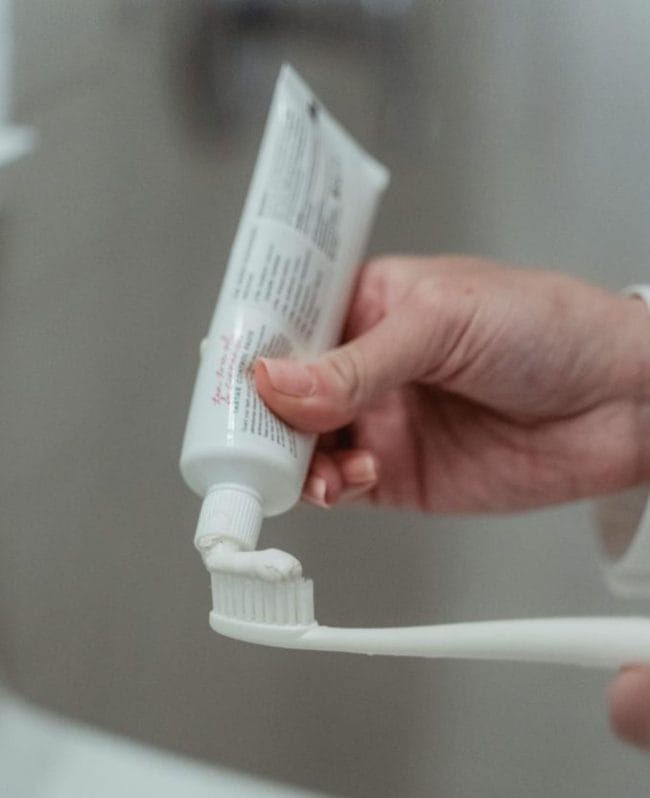
Oral hygiene products like toothpaste and mouthwash are essential for maintaining healthy teeth and gums. However, certain ingredients—such as triclosan, once commonly used for its antibacterial properties—have been linked to potential health risks, including hormonal disruption. Some studies have explored whether long-term exposure could contribute to cancer development, though findings remain debated. Alcohol-based mouthwashes have also been questioned for their possible association with oral cancers when used excessively. Choosing products labeled “triclosan-free” or alcohol-free can be a safer alternative.
5. Sunscreens
Sunscreen is vital for protecting your skin from harmful UV rays, but not all formulas are created equal. Some chemical sunscreens contain ingredients like oxybenzone, which can be absorbed through the skin and may act as a hormone disruptor. There has been ongoing discussion about whether such compounds could contribute to cancer risk over time. Additionally, certain spray sunscreens have raised concerns about inhalation risks. Mineral-based sunscreens, which use zinc oxide or titanium dioxide, are often recommended as safer alternatives.
Making Smarter Choices for Your Health
Understanding what goes into your personal hygiene products doesn’t have to feel overwhelming. Small changes, like reading labels and choosing products with fewer synthetic ingredients, can make a meaningful difference over time. It’s important to remember that many studies are still ongoing, and not all claims are definitive, but awareness is always beneficial. By staying informed, you empower yourself to make decisions that align with your health priorities. Ultimately, the goal isn’t perfection—it’s progress toward safer, more conscious daily habits.
What’s one product in your daily routine that you’ve never really checked the ingredients for? Take a moment to look at the label today and share what you find in the comments—we’d love to hear your thoughts and experiences!
What to Read Next
CDC Warns: Poor Hair Scalp Hygiene Can Increase Infection Risk
What She’s Not Telling You: 8 Hygiene Mistakes Men Keep Making
The Hygiene Mistakes You Don’t Even Realize You’re Making
The post 5 Personal Hygiene Products That May Contain Ingredients Linked to Cancer Risk appeared first on Budget and the Bees.