Get all your news in one place.
100’s of premium titles.
One app.
Start reading
Grocery Coupon Guide
Shay Huntley

5 New Grocery Trends for 2026 That Are Secretly Budget Traps

Every January, the grocery industry introduces a fresh wave of trends designed to capture your “New Year, New You” budget. In 2026, the marketing machine is shifting into high gear with buzzwords like “fibermaxxing” and “ancestral fats.” While these trends often promise better health or higher quality, they usually come with a significantly higher price tag. Retailers know that shoppers are willing to pay a premium for novelty and wellness in the new year. By identifying these five specific trends early, you can separate the genuine nutritional value from the expensive marketing hype and save your money.
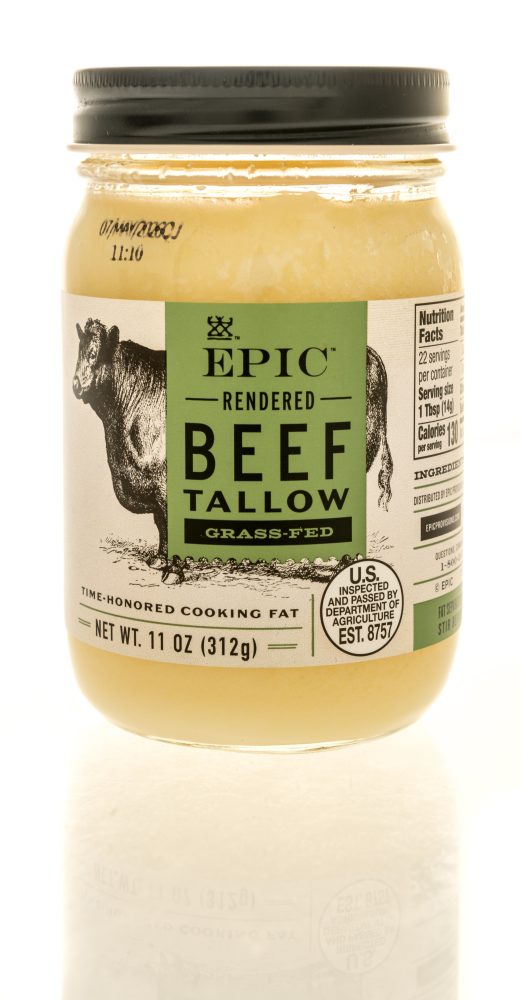

Image source: shutterstock.com

1. The “Fiber-Added” Premium

One of the biggest buzzwords for 2026 is fiber. You will see an explosion of “prebiotic” sodas, high-fiber pastas, and fiber-fortified snack bars. These products claim to support gut health, but they charge a massive premium for it. A can of prebiotic soda can cost three dollars, compared to fifty cents for a seltzer. The “trap” here is that you are paying for processed fiber additives like chicory root or inulin. You can get superior gut-health benefits for pennies by eating whole foods like lentils, black beans, oats, and apples. Don’t pay five dollars for a box of “high fiber” crackers when a fifty-cent serving of beans does the job better.

2. Boutique Beef Tallow

Animal fats are making a comeback under the guise of “ancestral eating.” Jars of “grass-fed beef tallow” and “heritage pork lard” are appearing on shelves with artisan labels and price tags upwards of fifteen dollars per jar. This is a classic case of rebranding a waste product as a luxury item. Tallow is simply rendered beef fat. Instead of buying the designer jar, go to the meat counter and ask the butcher for beef fat trimmings. They will often give them to you for free or for pennies a pound. You can render it down in your slow cooker at home to make the same product for a fraction of the cost.

3. “Fine Dining” Frozen Meals

The freezer aisle is getting a makeover. Brands are launching “chef-driven” frozen entrees that promise restaurant quality at home. You will see items like lobster mac and cheese, wagyu beef dumplings, and truffle risotto in the freezer case. While tempting, these single-serving meals often cost ten to twelve dollars each. For that price, you could buy the fresh ingredients to make a family-sized version of the same dish. These products rely on the convenience factor to justify a restaurant-level markup on a frozen TV dinner.

4. Upscale Instant Noodles

Image source: shutterstock.com

Instant ramen is shedding its college-dorm reputation. A new wave of “premium” instant noodles is hitting shelves, featuring air-dried noodles, bone broth concentrates, and retort pouches of real meat. These cups can cost five to eight dollars apiece. While they are certainly better than the twenty-cent brick packs, they are still just processed convenience food. A smarter budget move is to buy plain, high-quality asian noodles and a carton of good bone broth. You can assemble your own “instant” lunch jars with fresh vegetables and leftover meat for half the price and far less sodium.

5. Functional Vinegar Drinks

Vinegar is being rebranded as a “functional beverage.” You will see shelves stocked with drinking vinegars, shrubs, and oxymels that promise to regulate blood sugar and aid digestion. These small bottles are often diluted with fruit juice and sugar, yet they sell for four or five dollars. The active ingredient—vinegar—is incredibly cheap. You can make your own functional drink by mixing a tablespoon of raw apple cider vinegar with sparkling water and a squeeze of lemon. You get all the health benefits without paying for the fancy glass bottle and the marketing story.

Be a Trend Skeptic

The grocery store wants you to believe that health and quality must be expensive. In 2026, the most expensive items in the store will be the ones with the loudest health claims. By ignoring the trendy packaging and sticking to whole, single-ingredient foods, you can bypass these budget traps completely.

Have you noticed any of these new products in your store yet? Do you buy into food trends, or do you stick to the classics? Let us know your thoughts!

What to Read Next

 10 Grocery Items That Are Only Expensive Because of Marketing

7 Psychological Traps Every Retail Store Uses to Keep You Walking in Circles

7 Red Flags That a Rebate Offer Might Be a Marketing Trap

Is There A Secret Code Behind Grocery Store Shelf Placement

6 Food Brands That Have Been Sued for Misleading Packaging

The post 5 New Grocery Trends for 2026 That Are Secretly Budget Traps appeared first on Grocery Coupon Guide.

Sign up to read this article
Read news from 100’s of titles, curated specifically for you.
Already a member? Sign in here
Related Stories
Top stories on inkl right now
One subscription that gives you access to news from hundreds of sites
Already a member? Sign in here
Our Picks
Fourteen days free
Download the app
One app. One membership.
100+ trusted global sources.