
Get all your news in one place.
100's of premium titles.
One app.
Start reading
Clever Dude
Clever Dude
Brandon Marcus

5 Important Things NOT To Do During a Traffic Stop

5 Important Things NOT To Do During a Traffic Stop
Image Source: Shutterstock.com

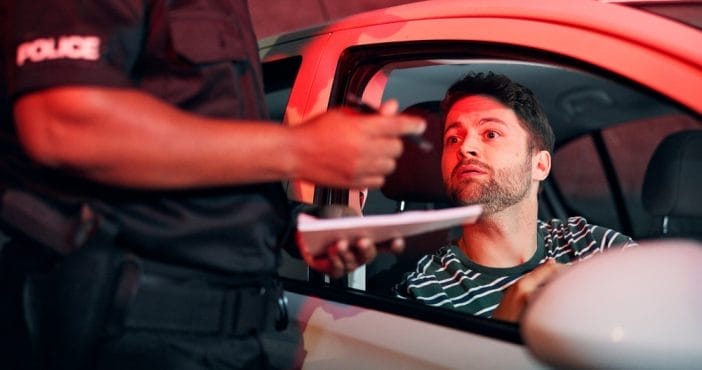
Lights flash. Heart rate spikes. Every nerve suddenly wakes up. A traffic stop doesn’t ask for permission before it turns an ordinary drive into a moment that demands quick thinking and steady composure. That brief stretch of time on the side of the road can either stay calm and routine or spiral into something far more complicated, depending entirely on what happens next. One wrong move, one careless reaction, and the situation shifts in a direction nobody wants.

Control matters more than speed in this moment, and calm beats clever every single time. People often focus on what they should say, but the real difference comes from what they absolutely should not do. A traffic stop follows a predictable structure, and understanding how to move within it keeps everything smooth and uneventful.

1. Don’t Treat It Like a Debate Stage

A traffic stop does not offer the right time or place for arguments, clever comebacks, or attempts to win a point. Emotions rise quickly in high-pressure moments, and frustration can slip into tone and body language before anyone even notices. Raising a voice, interrupting, or challenging an officer’s statements immediately escalates tension and makes the situation more difficult for everyone involved. Law enforcement officers prioritize control and safety during a stop, so confrontational behavior signals potential risk and invites a stronger response.

Staying calm and respectful keeps the interaction grounded and predictable. Clear communication without attitude or sarcasm helps everything move forward efficiently, even if the situation feels unfair. Disagreements can still exist, but they belong in a courtroom or through proper legal channels, not on the roadside. A steady tone, simple answers, and a composed presence go much further than any attempt to argue in the moment. That calm approach often shortens the interaction and keeps things from spiraling into unnecessary complications.

2. Don’t Make Sudden or Suspicious Movements

Hands tell a story before words even start, and sudden movements instantly raise concern during a traffic stop. Reaching quickly into a glove box, digging under a seat, or fumbling around without explanation creates uncertainty and tension. Officers must assess safety in seconds, and unpredictable motion forces them to assume the worst until proven otherwise. That split-second confusion can change the entire tone of the stop, and it rarely works out in the driver’s favor.

Keeping hands visible and movements slow removes that uncertainty right away. A driver who calmly explains actions before making them sends a clear signal of cooperation and awareness. Simple gestures, like placing hands on the steering wheel and waiting for instructions, go a long way in maintaining a calm environment. This approach protects both sides and ensures the stop remains routine rather than escalating into something avoidable. Predictability creates safety, and safety keeps everything under control.

3. Don’t Refuse Basic Instructions Without Understanding Them

Confusion sometimes leads to resistance, and resistance during a traffic stop creates problems fast. Instructions from an officer often focus on safety and procedure, even when they feel unnecessary or inconvenient. Refusing to follow simple directions without understanding their purpose can escalate the situation quickly. That resistance may also lead to additional consequences, including citations or further investigation.

A better move involves listening carefully and asking for clarification if something feels unclear. Calmly seeking understanding shows cooperation without giving up personal rights. Drivers still retain legal protections, but exercising those rights works best when paired with respect and awareness. Following straightforward instructions, like providing identification or stepping out of a vehicle when lawfully requested, keeps the interaction smooth and avoids unnecessary complications. Clear communication always beats silent resistance or outright refusal.

5 Important Things NOT To Do During a Traffic Stop
Image Source: Shutterstock.com

4. Don’t Overshare or Volunteer Extra Information

Silence can feel uncomfortable, especially during a tense moment, but filling that silence with unnecessary details often creates more problems than it solves. Offering extra information, explanations, or unrelated details can unintentionally raise new questions or complicate the situation. Once information enters the conversation, it cannot be taken back, and it may influence how the interaction unfolds.

Sticking to direct, simple answers keeps things clean and controlled. Providing required documents and responding honestly to questions without adding extra commentary protects both clarity and focus. That approach avoids confusion and prevents the conversation from drifting into unnecessary territory. A calm, concise response style helps maintain control of the interaction and keeps it centered on the reason for the stop. Less truly becomes more in this moment, and restraint often works in a driver’s favor.

5. Don’t Ignore the Bigger Picture of Safety

A traffic stop involves more than just rules and procedures; it revolves around safety from start to finish. Ignoring basic safety habits, like pulling over in a dangerous spot or exiting the vehicle without instruction, introduces unnecessary risk. Every action during a stop affects not only the driver but also the officer and surrounding traffic. Careless behavior can turn a routine situation into something hazardous within seconds.

Choosing a safe location to stop, such as a well-lit shoulder or parking area, sets the tone right away. Turning on hazard lights and remaining inside the vehicle unless directed otherwise shows awareness and cooperation. These small decisions create a safer environment and reduce stress for everyone involved. Awareness of surroundings and thoughtful actions help maintain control and prevent avoidable danger. Safety stays at the center of every successful traffic stop, and smart choices reinforce that priority from beginning to end.

Keep It Cool, Keep It Smart, Keep It Moving

A traffic stop doesn’t need to become a dramatic story or a frustrating ordeal. Simple awareness, calm behavior, and smart choices keep everything on track and prevent unnecessary trouble. Avoiding these five common mistakes makes a real difference in how the situation unfolds, and that difference often determines whether the stop ends quickly or drags into something far more stressful. Staying composed, respecting the process, and thinking clearly in the moment protects both safety and peace of mind.

What strategies feel most effective when handling a traffic stop, and what lessons have shaped how those moments get handled today? Share your thoughts, experiences, or insights in the comments.

You May Also Like…

Troopers Say These 9 Phrases Can Escalate a Winter Traffic Stop

6 Holster Positions That Are Getting Men Arrested During Traffic Stops

6 “Friendly” Neighbor Requests That Can Turn Into Legal Nightmares

10 Everyday Items That Can Be Used Against You in a Lawsuit

7 Reasons Police Might Show Up at Your Door—Even If You Did Nothing Wrong

The post 5 Important Things NOT To Do During a Traffic Stop appeared first on Clever Dude Personal Finance & Money.

Sign up to read this article
Read news from 100's of titles, curated specifically for you.
Already a member? Sign in here
Related Stories
Top stories on inkl right now
Our Picks
Fourteen days free
Download the app
One app. One membership.
100+ trusted global sources.