
As a brutal heat dome shatters temperature records across the Midwest, South, and East Coast, keeping our homes cool and comfortable has become a top priority. While blasting the AC is a standard go-to, certain houseplants offer a natural, budget-friendly way to help bring down indoor temperatures.
Plants achieve this through transpiration; a process where water travels up from the roots and evaporates through the leaves, acting like a built-in evaporative cooling system for your living space. Much like air-cleaning varieties, some houseplants are far more efficient at cooling their surroundings than others.

Here are five exceptional, air-cooling plants to bring into your home to beat the heat. And if you want to act fast with heat-beating indoor plants, this Aglaonema Wishes (or Chinese evergreen) from The Sill is a stunning place to start.
1. Snake Plant
It is no surprise that the snake plant tops the list. While famously celebrated for its air-purifying qualities and being the answer to better sleep, it is equally efficient at cooling down indoor spaces.
'The snake plant, known for its resilience and air purification abilities, releases oxygen at night and filters out toxins, making it a fantastic cooling bedroom plant,' explains Autumn Janus of Perfect Plants.
Because it does its heavy lifting at night, keeping one on your nightstand helps lower the ambient temperature right where you sleep. It is also an incredibly forgiving option for beginners.
'It is an easy indoor plant, requiring very little water, and grows well in medium light,' says Julie Bawden-Davis, indoor plant expert at Healthy Houseplants. However, she warns to take care not to overwater, as excessive moisture will quickly cause the leaves to turn yellow and rot.
This impressive snake plant at Fast Growing Trees tolerates irregular watering.
2. Aloe Vera
Aloe vera is also a succulent that can help to cool down surrounding air; although experts note that this group of plants transpire in a different way to other plants.
'Because these are desert plants, they've adapted to be able to close their stomatas during the daytime to prevent moisture loss during the hottest part of the day. Instead, they absorb water and transpire at night,' says Diane Kuthy, the founder of How To Grow Everything.
'This is how they've adapted to living in the most intense desert conditions. Thus, while succulents are great at transpiration, you may not notice the effect during the daytime,' she adds.
As a result, aloe vera can be a great plant to have in your bedroom to help keep things cool during summer nights.
You can find aloe vera plants grown by Costa Farms at Amazon.
3. Boston Fern
Succulents and hardy statement plants are not your only options for beating the heat. Indoor ferns are exceptionally skilled at cooling down a room.
Specifically, the dense, feathery fronds of the Boston fern offer a massive surface area, allowing the plant to pump significant moisture into the air through transpiration.
'A good air-cooling plant when happy,' notes Julie Bawden-Davis. "However, this plant will struggle in low-humidity homes, which will cause leaflet drop."
Because it actively humidifies its surroundings to cool the air, a dry indoor environment can backfire on the plant itself, causing its vibrant fronds to turn crisp and brown. To keep it thriving, position your fern in a bright spot with indirect sunlight and keep its moisture levels up.
Give your fern a helping hand by regularly misting it to mimic its native tropical environment. You can pick up a stylish, fine-mist Glass Plant Mister on Amazon to boost the surrounding humidity.
You can find beautiful Boston fern plants at Walmart.
We are also obsessed with this foxtail fern from The Sill, which works in much the same way.
4. Peace Lily
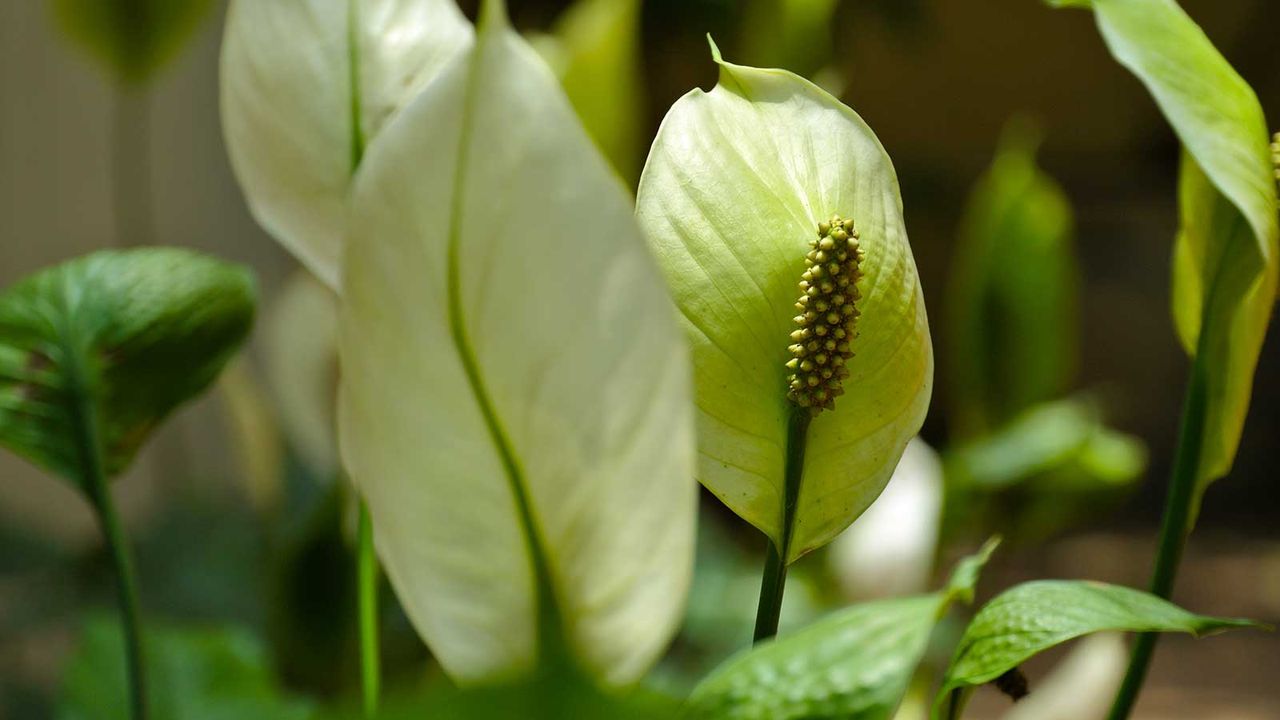
If indoor flowering plants are your thing, then opting for a peace lily this summer can be a great way to keep your interiors cool. These beautiful plants have luscious foliage that can aid transpiration and evaporation.
You can find a Costa Farms peace lily available from Amazon.
'Featuring elegant white flowers and glossy green leaves, peace lilies not only enhance the aesthetics of a room but also acts as a natural humidifier, ultimately helping to cool the air and improve air quality,' says Autumn Janus.
These plants will flower for months at a time, but make sure to prune your peace lily after flowering to encourage returning blooms.
5. Chinese Evergreen
If you are looking for a striking foliage plant that pulls double duty as a room cooler, the Chinese evergreen is an exceptional choice. Famous for its patterned, variegated leaves, this plant is a powerhouse when it comes to improving indoor air quality and regulating ambient room temperatures.
The secret to its cooling success lies in its broad, large leaves. Because it has plenty of surface area to work with, the Chinese evergreen has a high transpiration rate, steadily releasing moisture back into hot, dry rooms to create a localized cooling effect.
Even better, it thrives in low-to-medium indirect light, meaning you can place it in warmer corners of the house that do not get direct sun.
Keep the soil evenly moist but well-drained during the peak summer months. If you notice the leaf tips beginning to turn brown, it is a sign that the ambient air is too dry, and a quick misting or placing it near a pebble tray will easily fix the issue.
You can add some lush, temperature-regulating color to your home office with a vibrant Chinese Evergreen from Bloomscape or explore this pink-leaf variety of aglaonema on Amazon.
What to Shop

This soil moisture meter can help you avoid watering mistakes. Simply insert the probe and it will identify how wet the soil is.

Use these pebble humidity trays to boost humidity levels for your moisture-loving houseplants. Simply place your houseplants on top and top up water levels.

This duo has everything you need to keep houseplants hydrated. The watering can has a detachable nozzle for more accurate watering.
FAQs
How Many Plants do I Need to Cool the Air?
There are many houseplants that can help keep the air in your home cool through the process of transpiration. However, it should be noted that you will need multiple plants for the effect to take place.
'You'd need to be living amongst a lot of plants for the effect of transpiration to be felt,' says Diane Kuthy, the founder of How To Grow Everything. 'Each small plant's transpiration only effects the immediate area around the plant,' she adds.
If you want to create an effective cooling system using houseplants, it's a good idea to create an indoor jungle with some of the most efficient air-cooling plants.
As extreme heat kicks in, you might want to consider turning to plants to help keep you cool. Team with some large leafed tropical plants, such as a kentia palm or a strelitzia, to create some natural shade in your home, too.
If you're looking for other ways houseplants can enhance our interior spaces, you find out how houseplants can reduce dust in your home in our guide.
If you love inspiring garden ideas, outdoor advice, and the latest news, why not sign up for our newsletter and get the latest features delivered straight to your inbox?