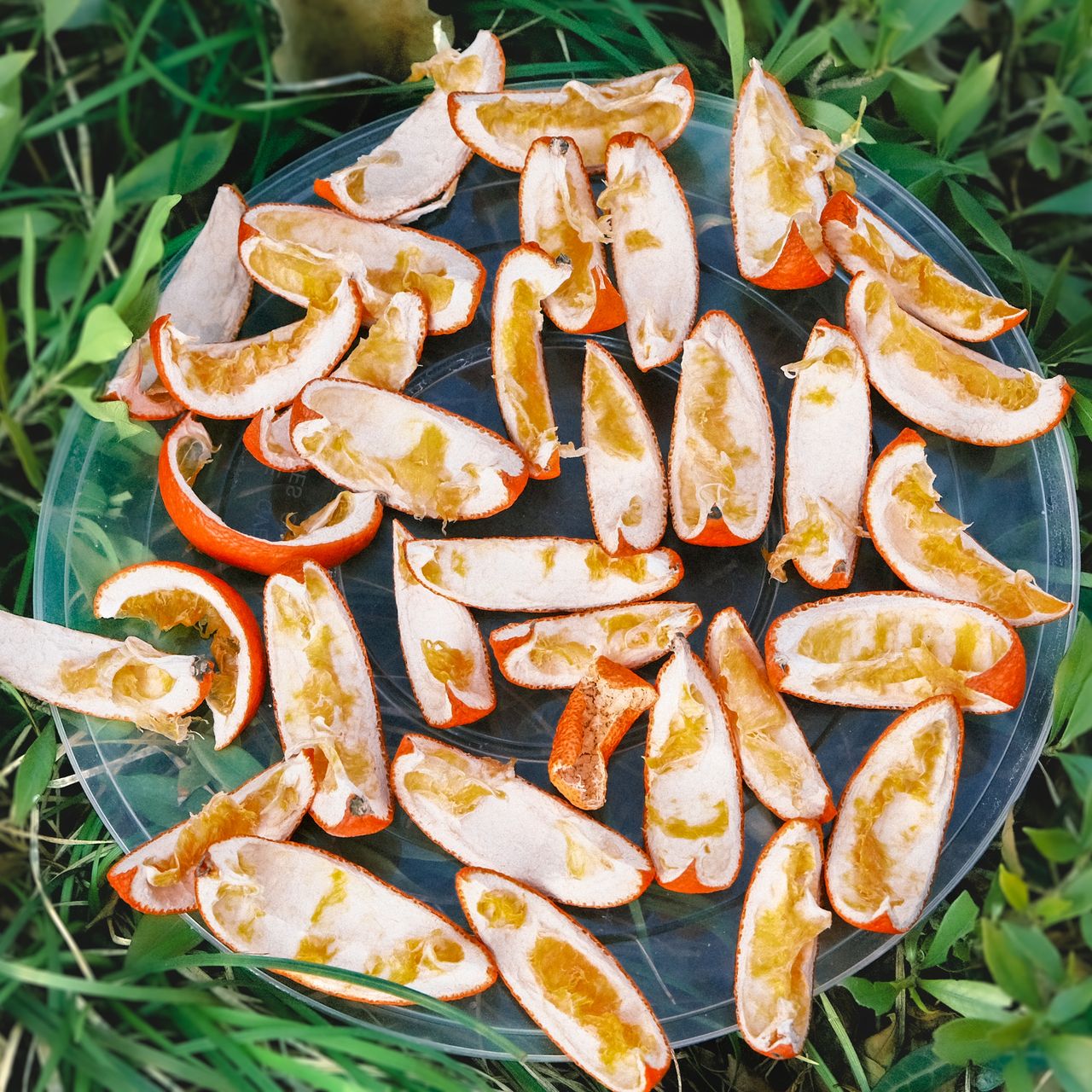
Look, I’m always looking for small ways to make gardening feel less wasteful – especially when it comes to the things we automatically throw in the bin without thinking twice. Orange peel is one of them, and after discovering just how many ways to use orange peel in the garden there actually are, I’ve stopped seeing it as waste altogether.
Most of us juice an orange, toss the skin, and move on – but it turns out those leftover peels can be surprisingly useful in the garden. From deterring pests to enriching compost, there are plenty of simple ways to put them to work instead of sending them straight to the landfill.

What I like about these kinds of budget gardening tips is that they’re simple. Don't believe me? Look this way...
5 ways to use orange peel in the garden

Unlike some internet gardening trends that sound good in theory but don’t really work in practice, we have found five ways to use orange peel in the garden that are genuinely backed by gardeners and horticultural experts.
‘Instead of putting orange peel in the bin, there are lots of easy ways to use it in the garden,’ says Morris Hankinson, director of Hopes Grove Nurseries.
‘It’s a simple way to reduce waste while giving your garden a gentle, natural boost,’ he adds.
Without any further ado, then...
1. Use orange peel as a natural pest deterrent

Orange peel’s strong citrus scent can help deter common garden pests, including ants and aphids – and even stop cats from treating your borders like a litter tray.
‘The strong citrus scent can help deter ants, aphids and even cats from enjoying the area nearby,’ says Morris. ‘Scatter small pieces around vulnerable plants or rub the peel lightly on pots and edges.’
Christopher O'Donoghue, director of Gardens Revived, also recommends finely chopping peels and scattering them around the base of plants, or steeping them in boiling water for 24 hours to create a homemade citrus spray.
'If you’re tired of cats using your flowerbeds as a litter tray, scatter large pieces of peel. Cats generally dislike the pungent citrus scent and will often choose a different spot,' he adds.
Just bear in mind that, in particularly damp weather, peels left on the soil surface can start to go mouldy before they break down.
2. Make a simple slug and snail trap

This might sound counterintuitive, but orange peel can actually help attract slugs and snails away from your plants naturally.
Christopher explains that slugs and snails are drawn to the sweet smell and moisture of citrus rind. 'So use it to your advantage,' he says. 'Place orange halves or large peels flesh-side down in shady spots around the garden overnight.'
By morning, you’ll often find slugs gathered underneath – making them much easier to relocate away from vulnerable plants like hostas or young vegetable seedlings.
3. Add orange peel to your compost heap

There’s a long-running myth that citrus peel shouldn’t go in compost bins, but experts say that’s not true for standard compost heaps.
‘Orange peel is rich in nitrogen, making it a useful “green” addition to a compost heap,’ says Morris. ‘Chop it up first so it breaks down faster and mix it well with browns like dry leaves or cardboard.’
Christopher adds that citrus peels also contain valuable nutrients, including nitrogen, phosphorus and potassium, which can enrich finished compost over time.
'Just make sure you cut peels into smaller pieces first, as their waxy outer coating naturally slows decomposition,' he warns.
4. Turn orange peel into biodegradable seed pots

If you’re trying to cut down on plastic in the garden, hollowed-out orange halves can make surprisingly effective seed starter pots.
‘Halved orange skins can double as biodegradable seed pots,’ says Morris. ‘Fill them with compost, sow your seeds, and plant the whole thing directly into the soil once seedlings are ready.’
Christopher recommends 'poking a small drainage hole in the base first before filling with seed compost' as, once transplanted, the peel gradually decomposes into the soil while feeding the young plant at the same time.
5. Use orange peel to enrich soil around acid-loving plants

Orange peel can also be useful for acid-loving plants, thanks to its naturally acidic properties.
'Dried, ground-up peel can give a gentle boost to plants including blueberries, hydrangeas, azaleas and camellias,' promises Christopher, who notes that, while orange peel won’t dramatically change your soil pH overnight, burying small pieces beneath the soil surface can slowly improve soil structure and add nutrients back into the ground as the peel decomposes.
Morris agrees: ‘If you bury small pieces of peel in your soil, they’ll gradually break down and add nutrients back into the ground, improving soil structure over time.’
FAQs
Do orange peels keep rats away?
Despite what you might see online, orange peels probably won’t reliably keep rats away – and in some cases, they could even attract them instead.
'While the strong citrus smell can deter smaller garden pests like ants or aphids, rats are opportunistic feeders and are far more interested in the food source itself,' says Christopher O'Donoghue of Gardens Revived.
In outdoor spaces, especially, discarded fruit peel can simply become another thing for them to investigate. If rats are a concern in your garden, it’s much more effective to focus on removing food sources, securing compost bins, and keeping the area tidy rather than relying on citrus peel as a deterrent.
What plants like orange peels?
Orange peels are most useful around acid-loving plants, which tend to appreciate the nutrients and slight acidity they add as they break down. Plants like hydrangea, camellia, azalea and blueberry can all benefit from small amounts of chopped or composted citrus peel worked into the soil.
That said, moderation is important – too much fresh peel can take a while to decompose and may attract pests in damp conditions, so it’s best used little and often rather than in large quantities.
Look, we get it; your juiced oranges might not look like much once the middle has been gobbled up, but it’s one of those kitchen leftovers that can quietly earn its keep in the garden.
Whether you use it to enrich compost, deter pests or start seeds, it’s an easy way to make gardening feel a little more sustainable – and all without spending a penny. Win!
If you enjoyed reading this, sign up for the Ideal Home newsletter for all the latest home decor trends and inspiration delivered straight to your inbox