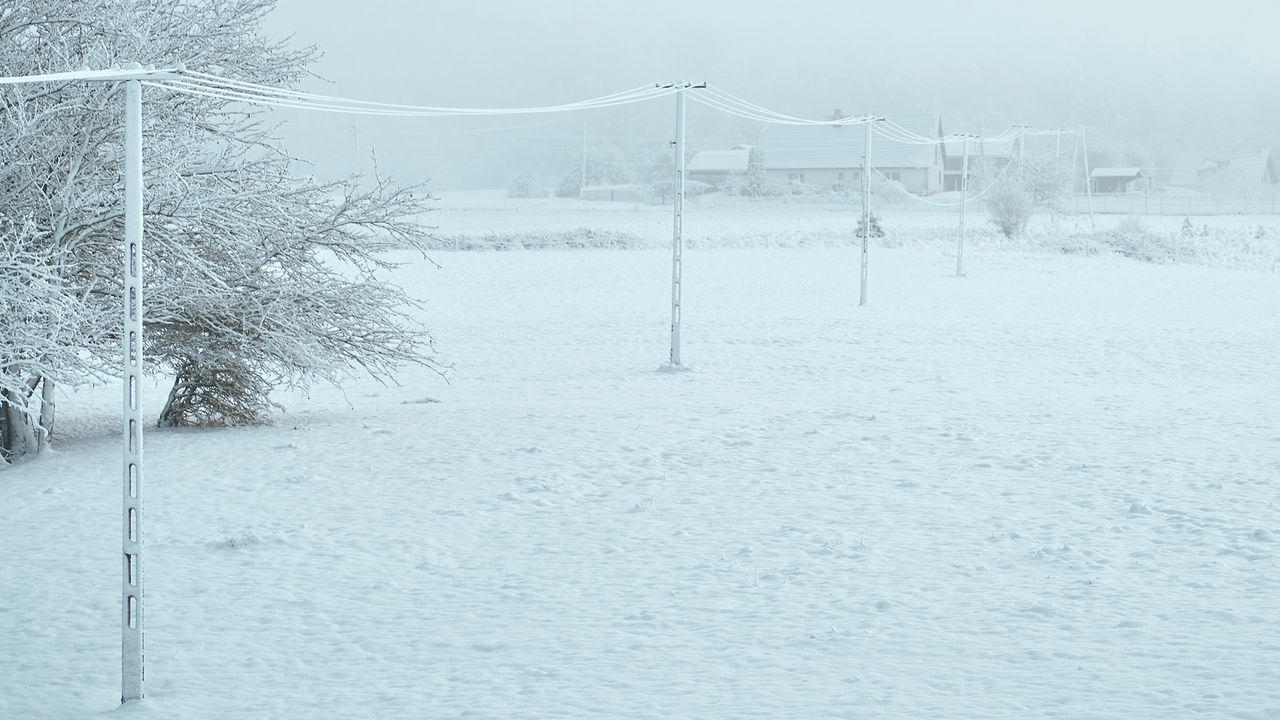
With much of the United States on high alert for impending winter snowstorms, many homeowners are focusing on preparations. A key part of getting ready for the coming days is planning for potential power outages, since winter rain and snowstorms can quickly knock out power.
Though this can be alarming, these are some simple steps to prepare your home before a storm hits. Not only will this prevent the panic of trying to find supplies, but you'll keep yourself and your family safe and sound. Here are five essential tips to get your home ready in the case of a power outage.
5 top tips on preparing for a power outage
1. Stock up on flashlights, power banks, and solar chargers
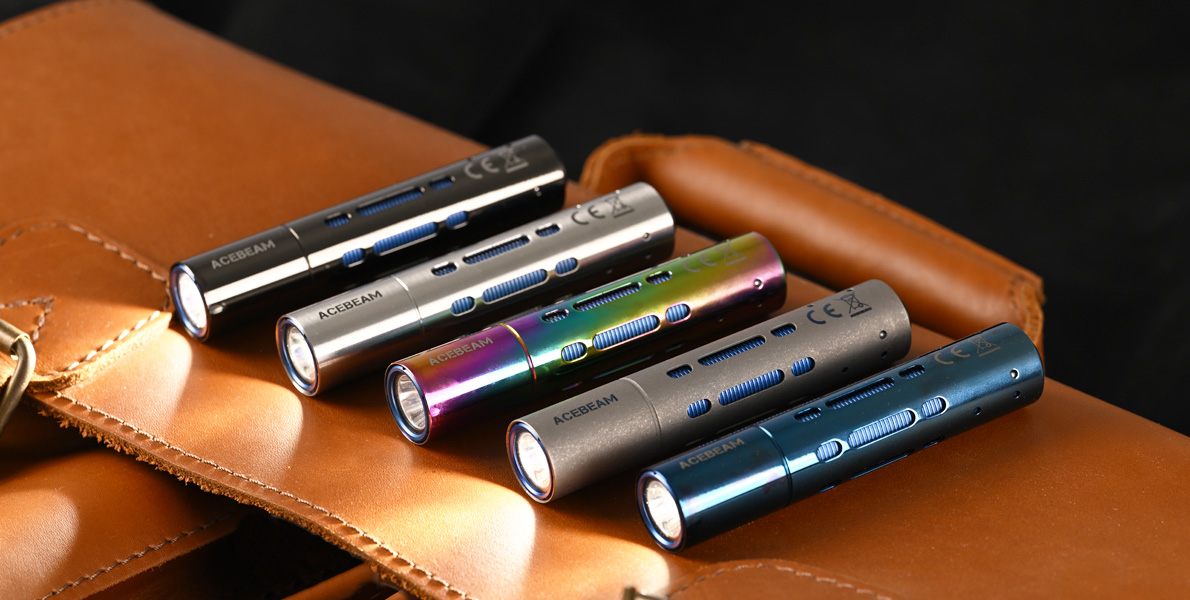
In the case of a power cut, always keep a supply of batteries, flashlights, and portable chargers to get you by. Keep them all in a central place so that members of the household will know where they are and can easily access and help others.
Avoid using the flashlight on your phone to see in the dark, as this tends to drain batteries quickly. As an aside, it’s a good idea to always keep your phone fully charged and ensure you have enough data in case the Wi-Fi goes down. Also, check that your battery packs are fully charged, as it would defeat the purpose.
According to the American Red Cross, you should leave one light on in the house, so you’ll know when power is restored. And avoid using candles to prevent a fire hazard.
2. Invest in a portable generator or power station
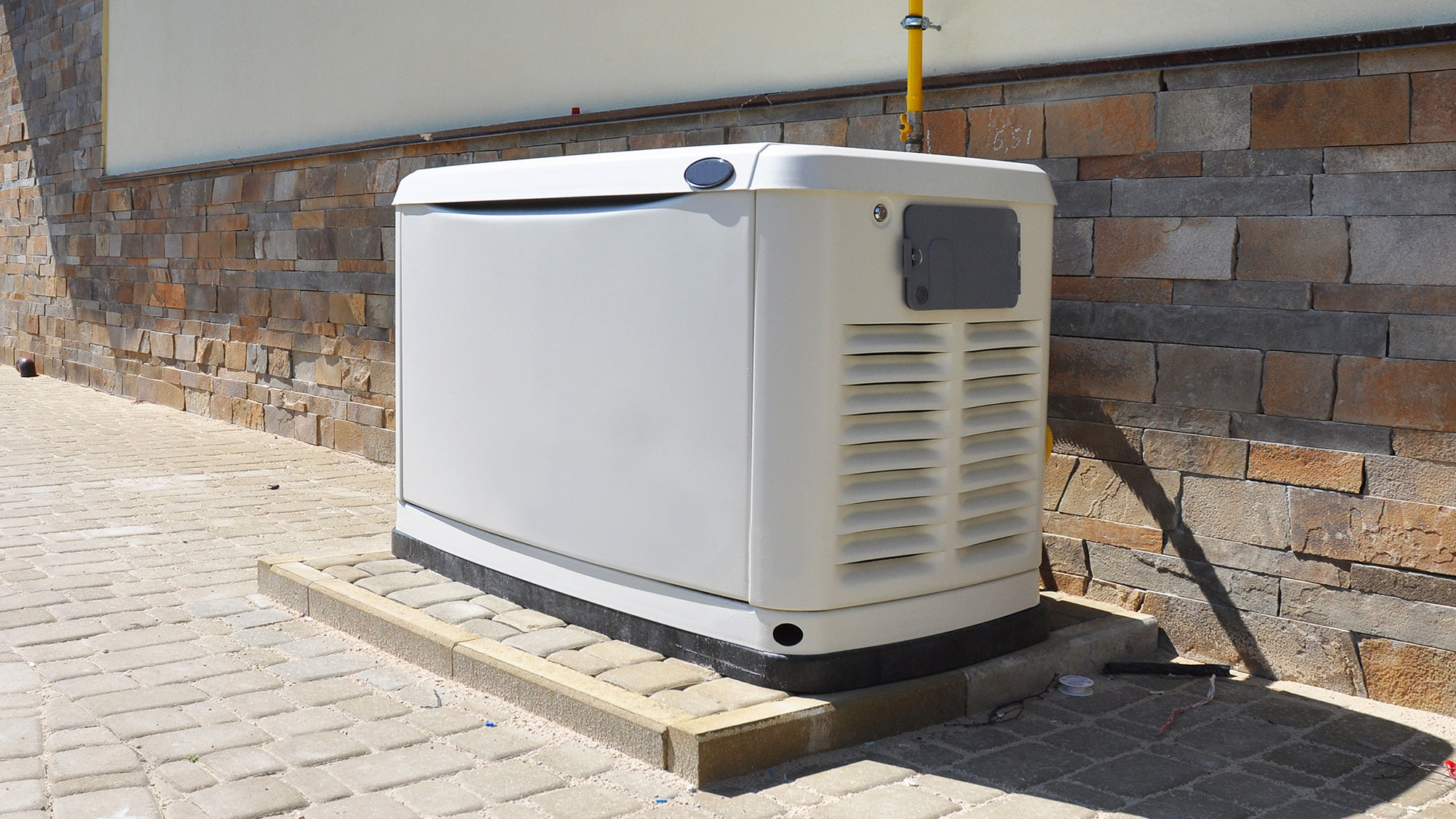
If you live in a region prone to frequent snowstorms, you may want to invest in a portable generator or backup power system to ensure critical items, such as medical devices and essential food supplies will still be accessible during an outage.
Portable power stations are useful appliances to have, and usually have more than enough power to run your refrigerator, several appliances, or to charge your devices.
Depending on your specific needs and type of home, these units offer great versatility as they can be charged electrically beforehand or work via solar energy. It’s also advisable to look for backup power options that include a variety of outlets to help power your home and your devices.
Additionally, make sure any essential medical equipment has a battery back-up and regular maintenance and checks of backup supplies are essential. If you do have concerns however, always contact your medical equipment or healthcare provider immediately.
3. Stock up on food and water supplies
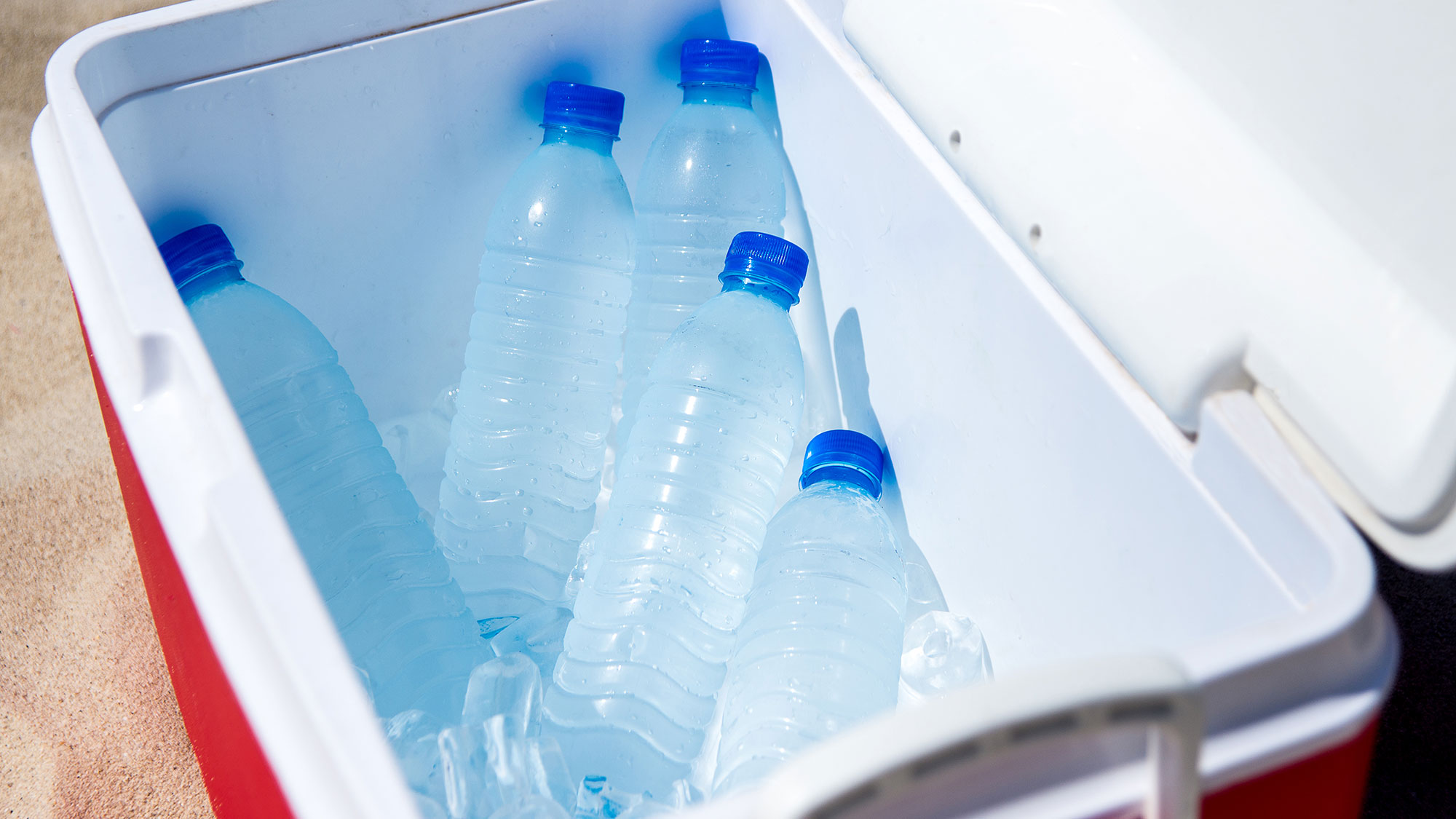
If you experience a heavy snowstorm, chances are you’re staying put for a while. Which is why it’s important to have emergency supplies of food, drink and a seven-day supply of medications (or more depending on your needs).
A top tip is to freeze water bottles and pre-chill coolers to extend the life of foods, preventing them from quickly spoiling. Essentially, the frozen bottles will act like ice packs, and as they thaw will also provide you with drinking water. This also applies to styrofoam cooler types.
Another useful trick is to fill up your bathtub with water ahead of a storm to provide an emergency supply for sanitation, water to boil, and other needs around the home.
4. Buy a camping cooker (or a few)
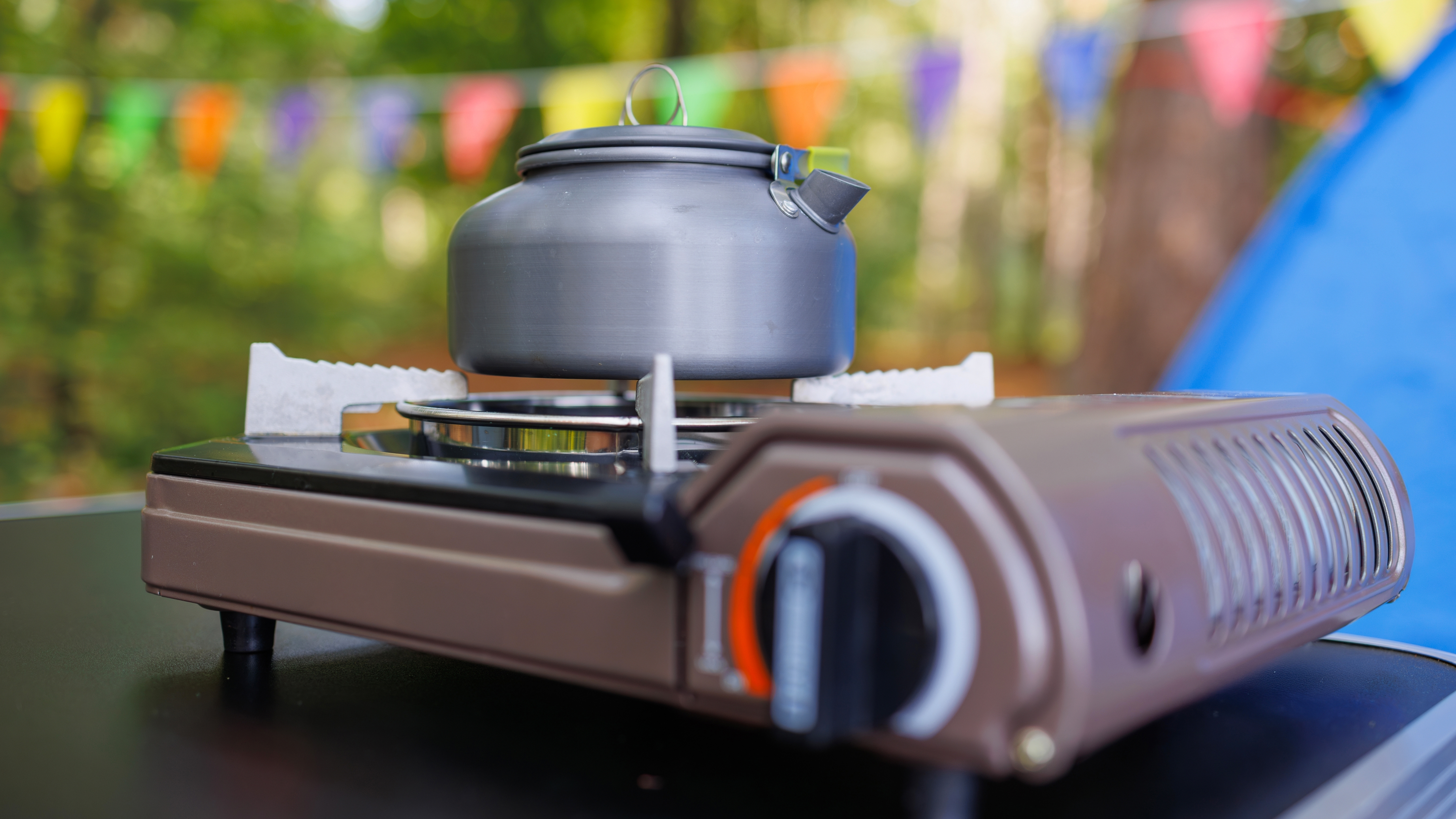
Whether you usually cook on an electric range or induction cooktop, these won’t be of any use in the case of a power outage. Make sure you have an alternative cooking set up available.
The easiest option is to dig out your camping cooker or invest in a few, to prepare food and boil water when the power cuts out. When using, remember to always cook in a well-ventilated area and keep a supply of gas cartridges in a safe place.
5. Have alternative heating methods

In addition to having light and food supplies, keeping warm during a winter power outage is critical. So make sure you know how to keep your home warm during a power outage.
One top tip is to select one room with minimal windows and excellent insulation, before keeping all doors to the rest of the house closed. Typically, a smaller area retains warmth much more efficiently. In the worst-case scenario, you can designate this room as a safe, isolated area for everyone, stocked with essential supplies such as food, water, and, of course, warm, thick blankets.
More importantly, make sure you have a complete first aid kit for any emergencies. This should include all the essential supplies such as bandages/dressings, and vital medication. You'll also want to make sure these kits are accessible to find for everyone in the home.

Follow Tom's Guide on Google News and add us as a preferred source to get our up-to-date news, analysis, and reviews in your feeds.