
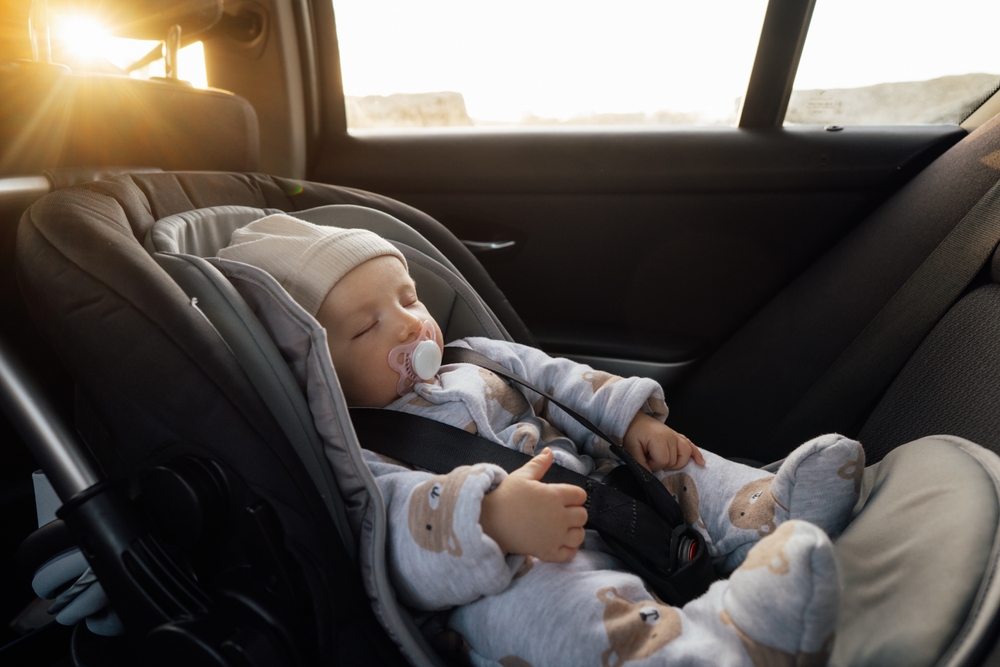
Winter can make even the most seasoned parents second‑guess themselves. When temperatures drop, the instinct to bundle up your baby in the warmest, fluffiest gear you can find feels almost primal. But when it comes to car seats, that instinct can clash with safety in ways many caregivers don’t realize. Cold‑weather baby products are everywhere—marketed with adorable photos and promises of warmth—but not all of them are designed with crash dynamics in mind.
Below are five common winter baby gear items that may look cozy and convenient but can actually interfere with how a car seat protects your child. Once you know what to avoid, safer alternatives are easy to use and often more effective.

1. The Puffy Coat Problem: Why Bulk and Car Seats Don’t Mix
Puffy coats are practically a winter uniform, but they’re one of the biggest hazards when used in a car seat. The issue isn’t the warmth—they’re great for that—it’s the air trapped inside the insulation. That air compresses during a crash, leaving the harness suddenly far looser than it appeared moments before. Even a small amount of compression can create enough slack for a child to slip forward or out of the straps entirely, which is why safety experts consistently warn against using bulky coats in car seats.
Instead of relying on thick outerwear, dress your baby in thin, warm layers and secure the harness snugly against their body. Once they’re buckled in, you can place a blanket over the top of the straps. Or you can use a car seat poncho that goes over the harness. These alternatives keep your child warm without compromising the fit of the seat. Try buckling your child in with the coat on, then remove it and buckle them again without adjusting the straps. If the harness suddenly feels loose, that coat is a no‑go for the car.
2. Aftermarket Car Seat Covers: Cozy Looks, Hidden Risks
Many parents are surprised to learn that some of the car seat covers sold in stores are not approved by car seat manufacturers. These aftermarket covers often slip between the baby and the seat or between the baby and the harness. This can interfere with how the seat performs in a crash. Because they haven’t been crash‑tested with your specific model, there’s no way to know how they’ll affect the seat’s ability to protect your child.
Look for a cover that is specifically designed to go over the top of the car seat like a shower cap, leaving the harness untouched. These types of covers don’t interfere with the seat’s safety features. And they can help block wind and cold air when you’re moving between the house and the car. There are many things to keep in mind when hunting for a car seat cover, but this is just one of them.
3. Sleeping Bag‑Style Inserts: Warmth at the Cost of Safety
Sleeping bag‑style inserts—those plush, zip‑up cocoons that fit inside the car seat—are undeniably adorable. They’re also undeniably unsafe when used in the car. These inserts add padding behind or around the baby, which can change how the harness fits and how the seat performs in a collision. Even small changes in harness positioning can have major consequences during impact.
If you love the idea of keeping your baby snug, use a warm blanket over the harness or pre‑warm the car with a remote starter or a few minutes of running the heater. You can also dress your baby in fleece layers, which provide warmth without adding bulk. The key is keeping anything soft, padded, or plush out from under or behind your child while they’re buckled in.
4. Strap Covers and Shoulder Pads: Cute but Compromising
Strap covers and shoulder pads are often marketed as comfort items, but most of them are not approved for use with car seats unless they came with the seat itself. These accessories can push the chest clip out of its proper position or create extra space between the harness and your child’s body. In a crash, that extra space can reduce the harness’s ability to keep your child secure.
If your baby seems uncomfortable, check that the harness is positioned correctly and that the straps are at the proper height. Sometimes a simple adjustment makes a big difference. If your car seat manual allows for manufacturer‑approved strap covers, use only those. Otherwise, skip the add‑ons and focus on proper fit.
5. Thick, Plush Head Supports: Soft Isn’t Always Safe
Those fluffy, pillow‑like head supports may look like they cradle your baby perfectly. But they can actually interfere with the car seat’s built‑in head protection. Many of these products add padding behind the baby’s head or neck. This can push their head forward into an unsafe position or alter how the seat absorbs impact forces. Because they aren’t crash‑tested with your specific seat, there’s no guarantee they’ll behave safely in an accident.
If your newborn needs additional support, use only the inserts that came with your car seat or those explicitly approved by the manufacturer. These are designed to work with the seat’s structure and won’t compromise its performance. As your baby grows, their head and neck control will improve naturally, making extra supports unnecessary.
The Warmth‑Without‑Risk Rule Every Parent Should Know
Winter travel with a baby doesn’t have to feel like a battle between warmth and safety. Once you know which products to avoid, it becomes much easier to choose gear that keeps your child comfortable without interfering with the car seat’s protective design. Think of it as a simple rule: nothing bulky, padded, or untested should ever go between your baby and the harness.
What winter car seat safety questions or experiences would you share with other parents? Safety is always most important for your child, so share your advice in the comments.
You May Also Like…
Are Parents Talking Enough About Emotional Safety at Home?
Virginia Baby Food Ban: 5 Specific Brands Just Prohibited Under New Safety Laws
Is Your Little One’s DIY Costume a Potential Safety Hazard?
Budget-Friendly Indoor Adventures for Kids When It’s Too Cold to Play Outside
Beyond The Recall: 6 Baby Gear Recalls You Missed Putting Your Child At Risk
The post 5 Cold Weather Baby Gear Items That Are Unsafe for Car Seats appeared first on Kids Ain't Cheap.








