
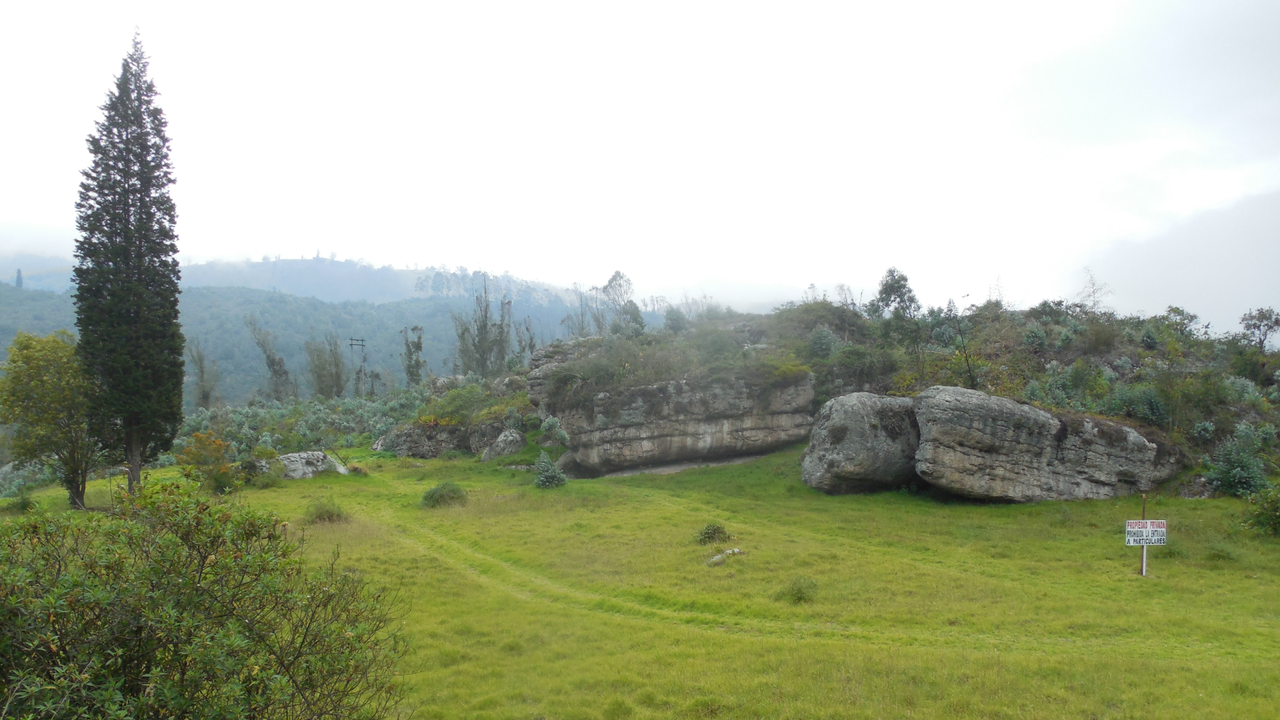
The world's oldest evidence of Treponema pallidum, the bacterium that causes syphilis and several chronic skin infections, has been found in a 5,500-year-old skeleton buried in a rock shelter in Colombia. But the genetic evidence suggests that the person was infected with a previously unknown strain of T. pallidum, adding to an already-complicated picture of the evolution of syphilis.
Researchers have debated the geographical origin and spread of the treponemal diseases — syphilis, bejel, yaws and pinta, all of which are caused by bacteria in the genus Treponema — for centuries. Because the best-documented epidemics of syphilis occurred in Europe in the 15th century, early theories suggested that Christopher Columbus brought syphilis to the Americas or, conversely, that Indigenous people in the Americas transmitted syphilis to Columbus and his crew.
.jpg?w=600)













