We only have one body – the one we're born with. And we only know what it's like living in that body. If we could "Freaky Friday" with someone else and literally be in their shoes for one day, we'd probably be far more empathetic to people than we are now. Until we can do that, all we have to go on is hearing other people's experiences first-hand.
For example, a skinny person will never understand what it's like living while being overweight. Recently, one netizen wanted to know about their experience, so they asked: "Obese people of Reddit, what is something non-obese people don't understand or can't understand?" The thread quickly became popular, as over 13k people came to share the things they think are unique to their experience.
To delve deeper into the topic of body inclusivity, Bored Panda got in touch with a licensed therapist and clinical worker, Sarah Herstich. We asked her about the benefits of the body positivity movement and the myths people possibly associate it with. Since Herstich works with people who struggle with body image and eating disorders, she has a lot to say about the topic. Read our conversation with her below!
#1

Image credits: Accomplished_Trip_
Sarah Herstich, LCSW, tells Bored Panda that the body positivity movement is important because it resists anti-fat discourse and the oppression of bodies. "The body positivity movement has origins in Black fat activism and the history of the oppression of bodies, particularly black fat bodies."
She points out how the movement is about dismantling the current power structures. "[It] invites a lens of intersectionality, exploring the relationship between power and race, gender, disability, sexuality, class and age, and their relationship to oppression. This is important to name because the body-positivity movement, in its origin, was meant to challenge systems that oppress, discriminate, and stigmatize bodies," Herstich explains.
#2

Image credits: Schmomas
#3
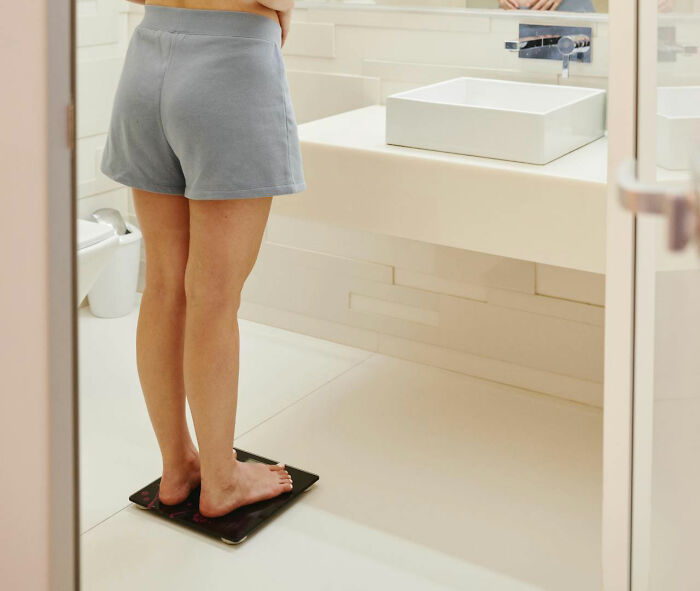
Image credits: loltoecrack
The licensed therapist also tells Bored Panda that the body positivity movement is about fighting systems of oppression. "To be effective in supporting people to heal from mental health struggles, we have to look at how systems of oppression impact people each and every day, the intergenerational transmission of trauma from those systems, and how trauma responses are now impacting the day-to-day."
Herstich emphasizes that the body positivity movement is about so much more than just loving your body. "It's a movement aimed at liberating all bodies while acknowledging that until all bodies are free from stigma and oppression, we are not truly body positive," the licensed therapist explains.
#4

Image credits: beef_burrito_supreme
#5

Image credits: Prodigal_Lemon
#6

Image credits: cryrabanks
As with any other movement that gains traction, some misconceptions exist about body positivity. One of them is that the movement promotes unhealthy lifestyles and eating disorders. Herstich says that it's actually quite the opposite.
"It supports people in acknowledging when their fear of fat originated, how that has made their body feel unsafe to live in, how they have internalized that as truth, and to build a new relationship with their bodies – coming home to themselves and treating their body in ways that are health-promoting and respectful."
#7

Image credits: IcyCrust
#8
Image credits: RaggamuffinTW8
#9

Image credits: Dels79
"Body positivity challenges normative and harmful beliefs in a hierarchy of bodies based on size, race, ability, identity, sexual orientation, or socioeconomic status," she adds. "Mainstream body positivity also supports people to recognize body diversity, exit harmful dieting cycles, and challenge what is healthy vs. unhealthy."
#10
Image credits: limbodog
#11

Image credits: lyan-cat
#12
Image credits: warrenjt
Herstich tells us that the point of the body positivity movement is that people can feel safe and free in their bodies. "A culture that is inclusive, accepting and uplifting all bodies, will ultimately be supportive of wellbeing, [physical] and mental health," she explains.
"If that existed, diet culture would not. As a society, we need to continue to do the work of dismantling systems of oppression that impact and harm bodies outside of the thin white ideal."
#13

Image credits: spacemermaid3825
#14
Image credits: Anko_Dango
#15

Image credits: azninvasion2000
#16

Image credits: Alternative_Cake_739
#17
Image credits: Complete-Scar-2077
#18

Image credits: Lisija123
#19
#20

Image credits: SlapDatBassBro
#21

Image credits: Maximum_Enthusiasm46
#22
Image credits: rehpot821
#23

Image credits: Solid_Parsley_
#24
#25

Image credits: deagh
#26
#27

Image credits: My-Life-Now
#28

Image credits: moonshad0w
#29

Image credits: amadnomad
#30

Image credits: alanamablamaspama
#31

Image credits: bugwrench
#32
#33

Image credits: DeadStormPirate
#34

Image credits: outtastudy