When Star Trek: Strange New Worlds debuted in 2022, it was sold as a delightful throwback to the days when one week’s adventure had little bearing on what happened next. Once the standard method of storytelling for most television, the streaming era’s move to shorter seasons and the binge-watching model has made serialized stories the norm. Most dramas are essentially miniseries now, making it difficult to imagine For All Mankind halting its ongoing story for a game of Martian baseball, or the Monarch: Legacy of Monsters crew blowing off steam with a tropical island getaway full of farcical romantic complications.
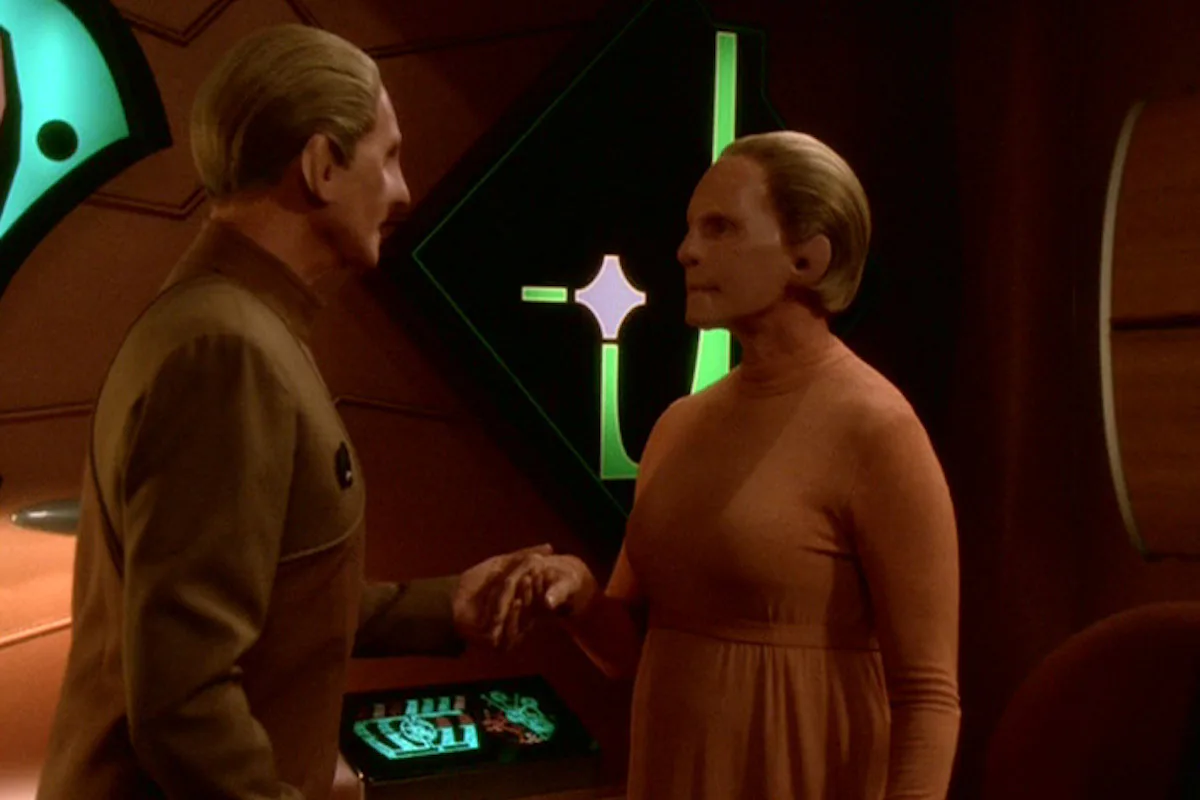
Some shows did experiment with this approach in the days when Netflix was only known for its red envelopes — good luck following Battlestar Galactica if you went into Season 4 blind. Going back further, Babylon 5 and Star Trek: Deep Space Nine tinkered with serialization in the ‘90s, albeit in a looser way that still allowed for one-off adventures and didn’t completely baffle anyone who wasn’t able to record missed episodes on VHS. And 30 years ago, DS9’s Season 4 finale was a big step forward for Trek’s changing brand of storytelling.