
The cinematic movement that would eventually be called film noir doubled as a Trojan horse, showing audiences subject matter and ideas in direct opposition to the conditions imposed by the Hays Code. In the 1940s and ‘50s, when the genre was at the height of its popularity, the Motion Picture Production Code was at the height of its censorial power, forcing filmmakers to work with guidelines that required simple black-and-white morality and forbade on-screen depictions of sex, queerness, and interracial relationships, among other touchy subjects.
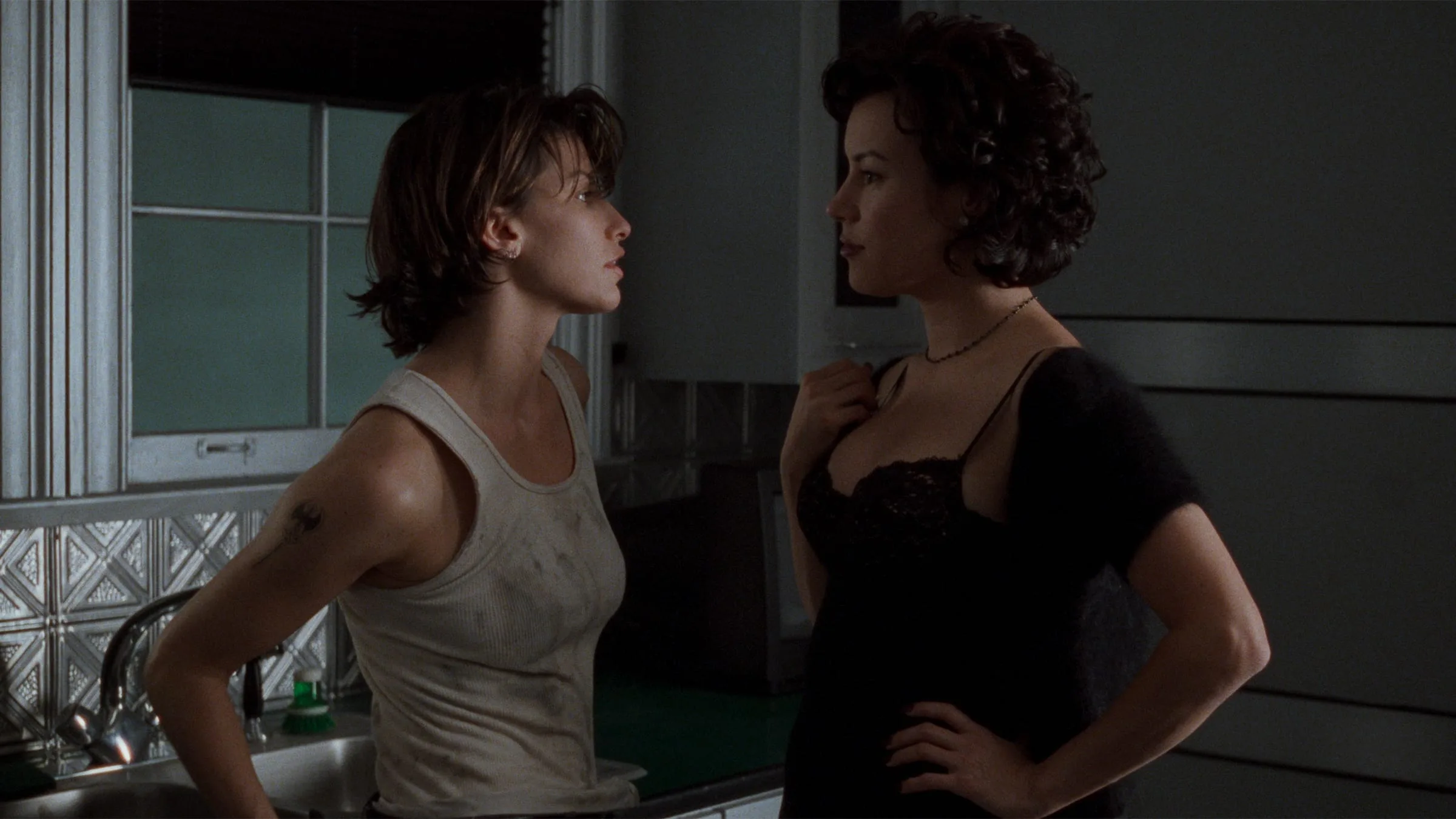
Noir gave filmmakers an avenue to use implication and symbolism to subvert the Code’s rigidity, and many explored topics subtextually that mainstream films weren’t allowed to tackle directly: female resentment towards the unkept promises of traditional domesticity, institutional corruption, social issues like misogyny and racism. When neo-noir emerged in the ‘70s, it pushed the envelope further, expanding what was acceptable in terms of sex, violence, and transgressiveness. And 30 years ago today, the Wachowski Sisters bridged the gap between the two movements with a film that poked the bear of America’s latent lesbophobia, while also introducing the world to their influential kinetic visual style — and gifting audiences one of the greatest noirs of all time in the process.