
Get all your news in one place.
100's of premium titles.
One app.
Start reading
Tom’s Guide
Tom’s Guide
Technology
Grace Dean

3 steps to get rid of carpenter ants before they cause serious damage to your home

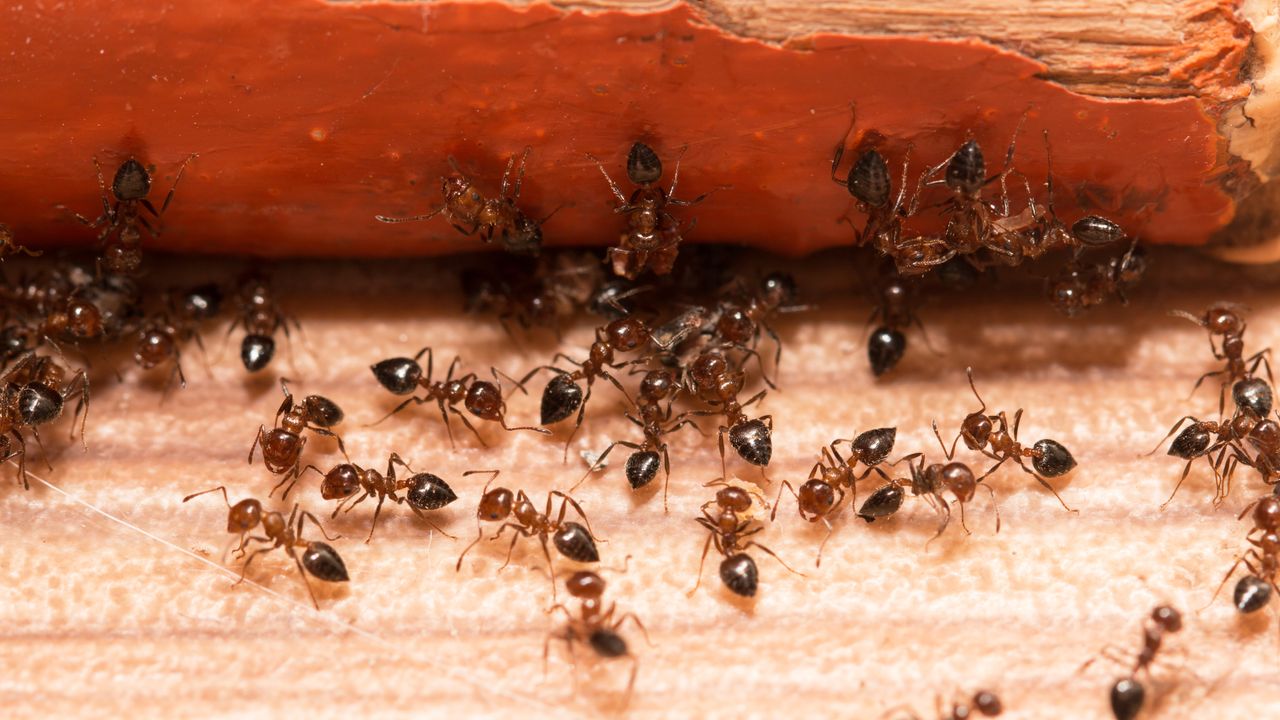
Carpenter ants by wood.

It's that time of year when ants become a real problem, foraging for food and water as the spring warmth wakes them up. These smart pests are persistent. I should know, I've been sealing up gaps around my home to stop them coming in for what feels like forever at this point.

But, while my problem at the moment is just little black ants, I'm always on the lookout for a more sinister pest – carpenter ants. Much like carpenter bees, they've earned their name because they love wood. That love of wood can become a real problem for you as a homeowner, going from a small problem to devastating structural damage very quickly. So, here's everything you need to know about these pests from identifying them to getting rid.

What are carpenter ants?

A carpenter bee drilling into wood (Image credit: Shutterstock)

Your regular everyday ant is usually small, black and harmless. Carpenter ants, on the other hand, are the some of the largest ants you'll find, measuring at around a quarter- to half-inch long. They're usually black, but some species can also be reddish or even yellowish in color.

As they're distinctly larger than your common household ant, they should be easier to spot, most likely around wood in or around your home. And while they're not eating your wood like a termite would do, they are building nests in it that can cause some extensive damage to your property if not caught in time.

Carpenter ants remove the wood and move the debris outside of their nests in small piles. They especially love damp, sound or decaying wood, so if you've got any leaks or moisture issues around your home, carpenter ants may be lured in.

How to spot carpenter ant damage

Interior damage by ants (Image credit: Shutterstock)

While carpenter ants dig inside the wood, it does mean you may notice the piles of debris they leave behind from their nest, which looks like wood shavings. You may also notice them lining up outside or inside your home, spotting they've got noticeably larger bodies than your usual ant.

If you suspect carpenter ants, you can also knock on any wood where you suspect an infestation. If you notice it sounds hollow or empty, there's a chance a carpenter ant nest could be burrowed inside.

They can also set up camp inside your walls, floors or other hidden areas, so it's worth checking if you've noticed any loitering around. These can range from worker ants looking for food to winged ants flying around. The winged ants are a more troubling sign of a colony infestation because they may be looking to form an entirely new one.

While spotting a few carpenter ants might not necessarily mean there's an infestation, here's what you should do if you find one and how to prevent one from happening:

1. Use an insecticide

Spraying outside a front door (Image credit: Tom's Guide)

You can buy a carpenter ant specific insecticide to spray onto the pests both indoors and outdoors. You can also set up ant bait traps that will attract ants and then they'll carry the slow-acting poison back to the nest to share with the colony. This should hopefully wipe them out.

2. Remove or replace wood

carpenter ant damage (Image credit: Shutterstock)

If carpenter ants have settled into your wood, it's likely they've done so because of moisture or decay in the first place. But, they will have made it worse. To remove the ants, you'll need to remove or replace the wood entirely and for this, you may want to get in a professional.

2. Create a DIY treatment

@brunchwithbabs

DIY Ant Solution 🐜 Springtime means our little ant friends sometimes like to come indoors for a visit. Here is my DIY Ant Solution that will keep those ants outside! 🐜1.5 cups warm water m1/2 cup sugar 🐜1.5 tbsp Borax (the natural laundry booster) Mix sugar and Borax into warm water and soak a few cotton balls in the water. Place the cotton balls anywhere outside the house where you see ants coming in or inside where you see them entering the house. If you have pets...stay tuned for an all natural ant deterrent safe for pets! XO Babs

♬ original sound - Babs

As @brunchwithbabs demonstrates to her over four million followers on TikTok, you can also make up your very own DIY carpenter ant killer. Simply mix 1 1/2 cups of warm water with 1/2 cup of granulated sugar and 1 1/2 tbsp of Borax. Then, soak cotton balls in it and place them where you've seen the ants. As Babs says: "The sugar will attract the ants, the Borax will do the rest."

3. Call in pest control

If you do find any particularly serious damage to your home or find a large nest, it might be a better idea to call in pest control to deal with it. At this point, a spray or removal of the wood might cause more damage than it's worth.

More from Tom's Guide

Sign up to read this article
Read news from 100's of titles, curated specifically for you.
Already a member? Sign in here
Related Stories
Top stories on inkl right now
One subscription that gives you access to news from hundreds of sites
Already a member? Sign in here
Our Picks
Fourteen days free
Download the app
One app. One membership.
100+ trusted global sources.







