
Get all your news in one place.
100’s of premium titles.
One app.
Start reading
GOBankingRates
GOBankingRates
Vance Cariaga

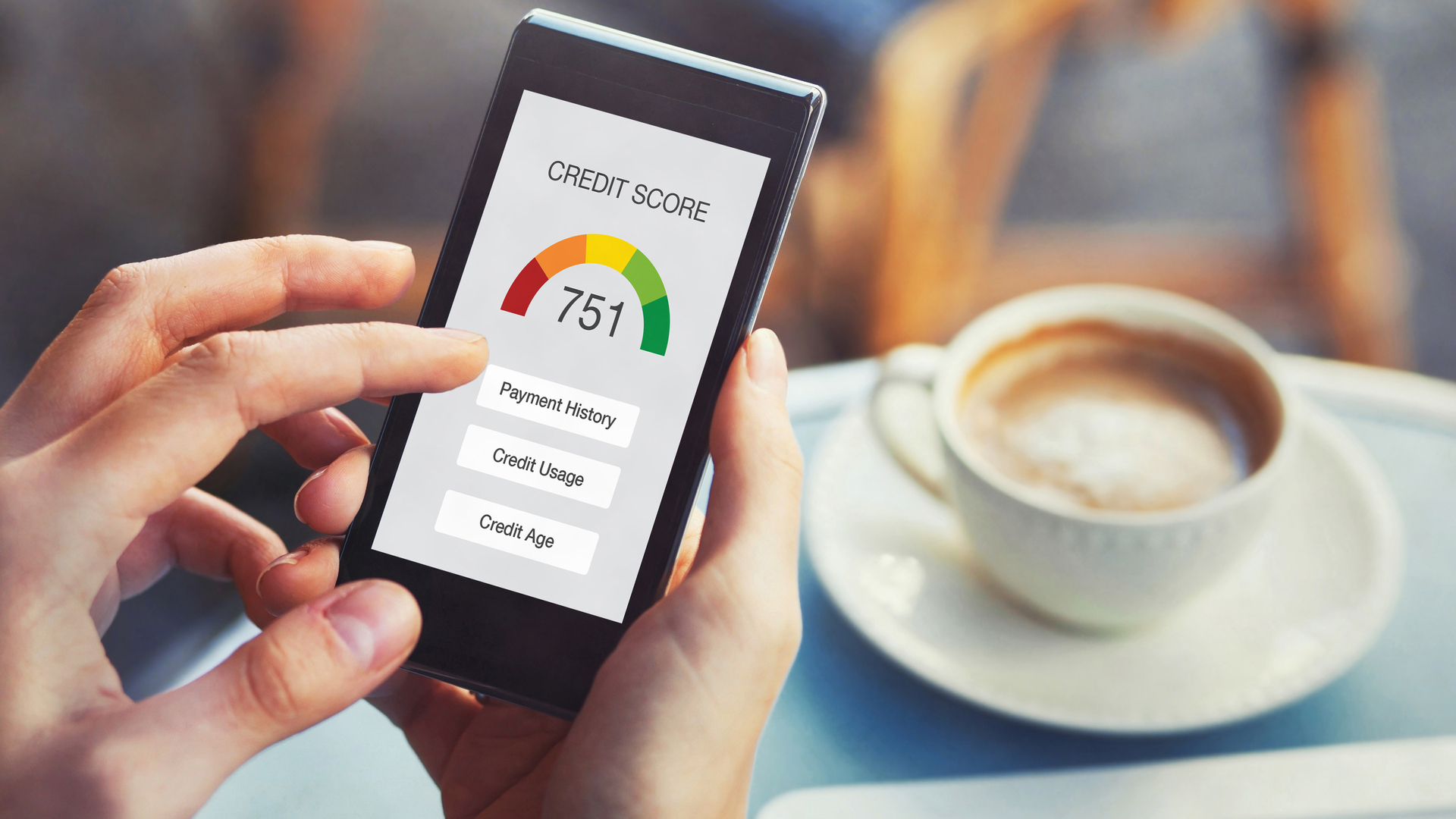
3 Myths About Credit Scores — and How They Can Hurt You

anyaberkut / Getty Images/iStockphoto

It’s nearly impossible to function in the modern financial world without some type of credit account. That’s why more than 80% of U.S. adults have at least one credit card, according to Federal Reserve data.

Many of those Americans have been piling up even more debt in recent years. Rising debt doesn’t necessarily hurt your credit score — but it can if you don’t understand how scores work.

Here are the most common myths about credit scores, based on a CreditOne Bank survey.

Check Out: Experts Reveal the Exact Credit Score Needed for the Best Mortgage Rates in 2026

Discover Next: 4 Safe Accounts Proven To Grow Your Money Up To 13x Faster

You Should Close Credit Card Accounts You Don’t Use

According to the survey of 1,000 U.S. adults, more than half (53%) of respondents didn’t know that closing an old credit card is likely to hurt their score. In fact, many believe in the myth that closing old accounts can actually help their score.

But as CreditOne pointed out, closing an old account can negatively impact two “critical components” of a credit score: the length of your credit history, including the average age of open accounts; and your credit utilization ratio. When you close an account you’ve had for a very long time, it has an even bigger negative impact.

Under some models, your score gets dinged whenever you reduce your total available credit and shorten your credit history. Such “financial decluttering” can cause more harm than good.

For You: Do Your Student Loans Affect Your Credit?

Paying the Minimum Can Help Your Score

Half of U.S. consumers believe that making the minimum credit card payment each month either helps your score or doesn’t affect it. This is one of the most “financially damaging” myths, according to CreditOne.

Yes, you can avoid late fees by paying the minimum and doing so helps establish a positive payment history. But it also keeps your balances high and increases your credit utilization ratio — a key factor in hurting your score.

In addition, paying only the minimum means you’re maintaining a “cycle of debt” because you never pay the card off. It’s always best to pay the full balance each month to keep your debt low and avoid interest charges.

Rental Payments Can Boost Your Score

CreditOne calls rent a “massive source of confusion” when it comes to credit scores. About one in four (39%) consumers think rent payments are automatically factored into their credit score.

But in most cases, landlords “don’t report rent payments” to credit bureaus, according to CreditOne. This means that even if you have a strong record of paying on time, it won’t help your credit score.

On the other hand, a history of late rental payments could end up on your credit report — and lower your score. It’s best to always pay your rent on time without buying into the myth that doing so will improve a credit score that has been hurt in other areas.

More From GOBankingRates

This article originally appeared on GOBankingRates.com: 3 Myths About Credit Scores — and How They Can Hurt You

Sign up to read this article
Read news from 100’s of titles, curated specifically for you.
Already a member? Sign in here
Related Stories
Top stories on inkl right now
One subscription that gives you access to news from hundreds of sites
Already a member? Sign in here
Our Picks
Fourteen days free
Download the app
One app. One membership.
100+ trusted global sources.