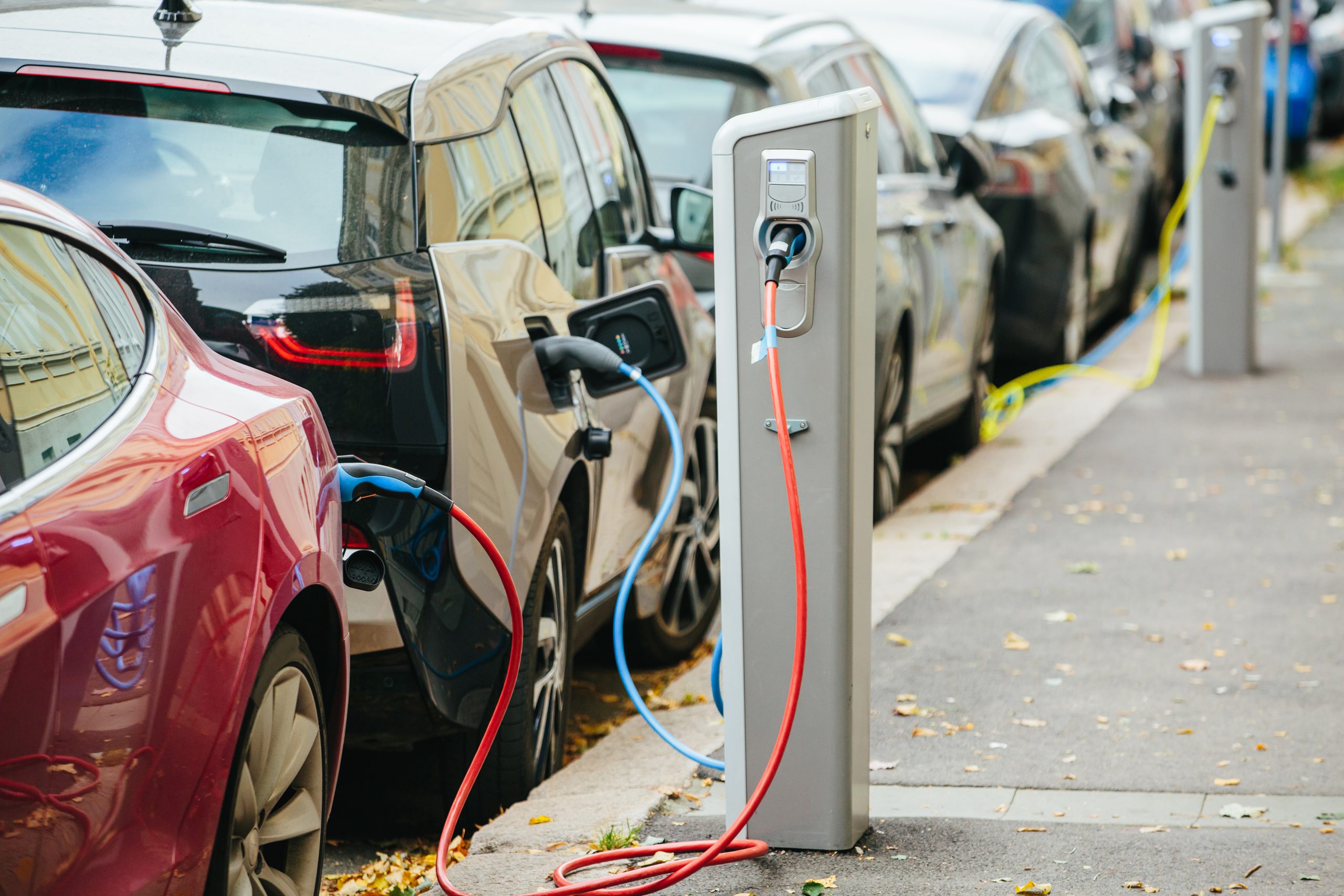
The demand for electric vehicles (EVs) has risen significantly over the past two years, thanks to the increasing concerns surrounding climate change, federal tax credits, and skyrocketing gas prices. Russia's invasion of Ukraine caused the U.S. and other countries to impose sanctions on Russia, including bans or reductions of Russian oil imports; this further pushed crude oil prices to record highs. Amid volatile oil prices, consumers are switching to electric vehicles (EVs). According to a forecast by AutoPacific, U.S. EV sales are expected to reach 670,000 in 2022, registering a 37% year-over-year increase.
Federal funding and supportive government policies and incentives are boosting the growth of the EV charging market. Under last year’s bipartisan infrastructure spending bill, the Biden administration allocated $7.5 billion to build electric vehicle charging infrastructure, including a nationwide network of 500,000 EV chargers. According to a recent research report, the EV charging infrastructure market is expected to reach $172.60 billion by 2028, growing at a 34.1% CAGR.