
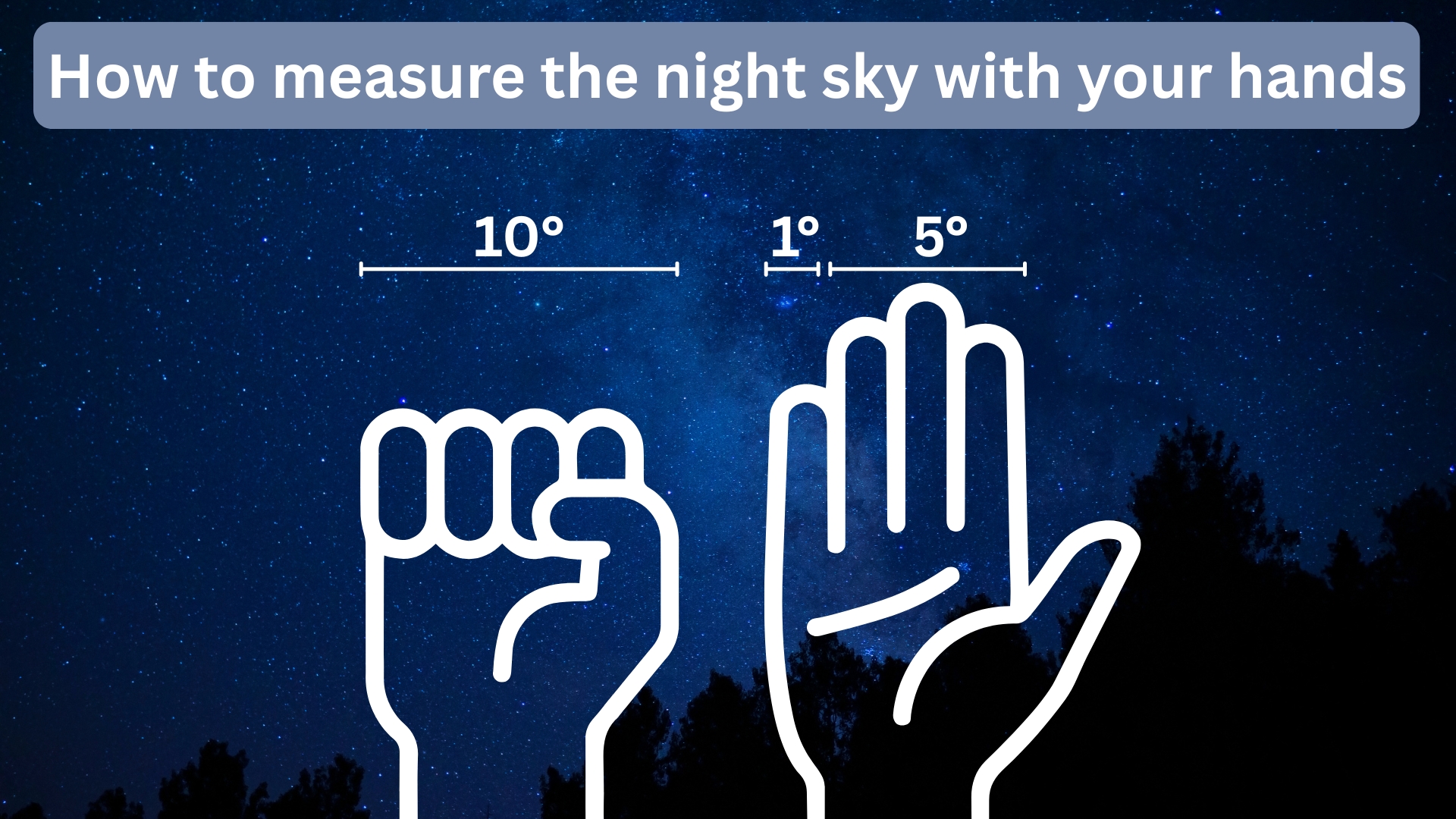
This is the month of the "Great Celestial Summit Meeting" between a crescent moon, three bright planets and two bright stars. The stars (Pollux and Castor) and planets (Venus, Jupiter and Mercury) will be arrayed across the west-northwest sky during the first half of the month, with the moon moving in to join them during the evenings of June 16 and June 17. The most amazing sight will be provided by Venus and Jupiter as they approach each other on a nightly basis, before finally arriving at a close conjunction, less than two degrees apart, on the evening of June 9.
Meanwhile, the early hours of the morning belong to Saturn and Mars. Saturn rises well after midnight most of this month, but is well placed in the southeast sky at the break of dawn. Using a telescope magnifying 30x or more will bring out its beautiful ring system, a big improvement compared to a year ago, when they appeared virtually edgewise to our line of sight. Meanwhile, Mars is becoming easier to sight, after being enmeshed in the bright twilight glow for nearly a year. It becomes evident, low in the east-southeast, a couple of hours before sunup. Shining now at first magnitude, it will brighten, but very slowly, during the second half of this year.