
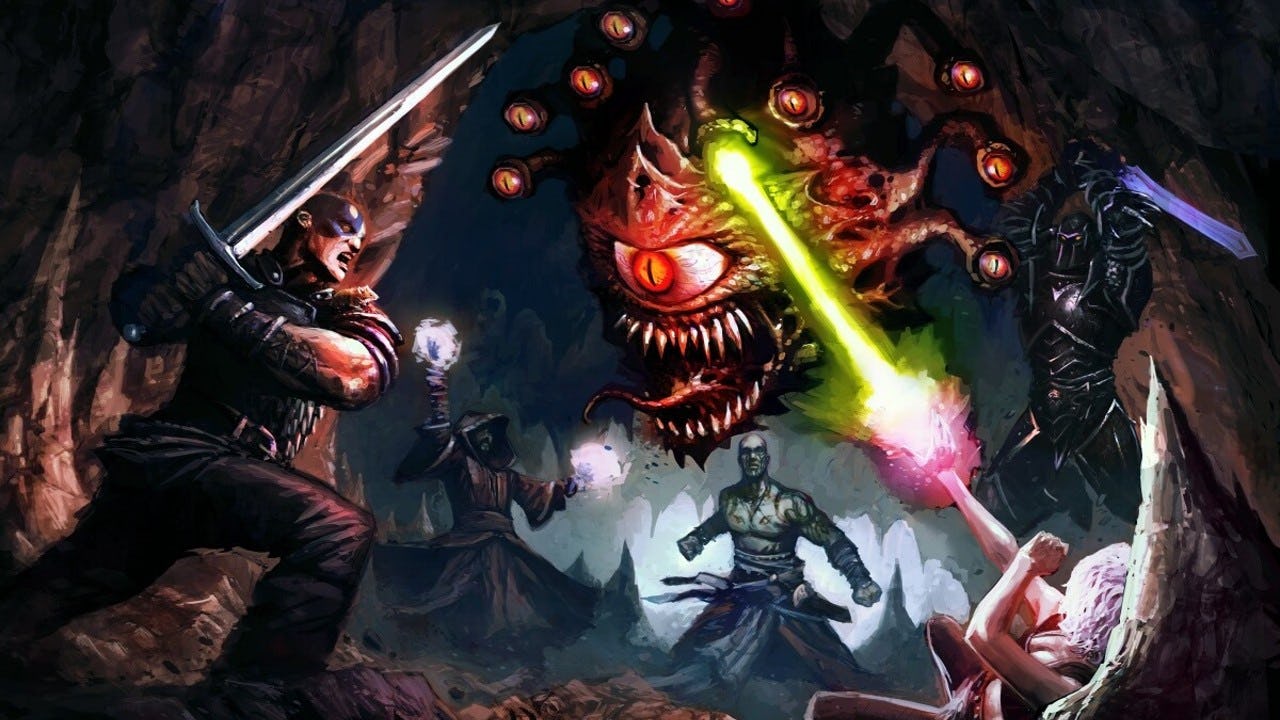
When you think of the long history of role-playing video games, few developers factor in as heavily as BioWare. The legendary studio behind Mass Effect, Dragon Age, and Knights of the Old Republic has had an indelible effect on not just RPGs, but video games as a whole. There’s a good reason the term “BioWare formula” exists, and from Baldur’s Gate 3 to GreedFall, countless games wouldn’t exist without the company’s groundwork. And there’s a key inflection point where it all came together, a pivotal RPG that changed everything: Baldur’s Gate 2: Shadows of Amn.
For those not well-versed in the genre, the BioWare formula is unofficial shorthand for a specific kind of role-playing experience. The BioWare touch revolves around heavy narrative variety with copious amounts of player choice, as well as complex party members that feed into those choices. There are other elements too, like party building playing a key role in combat, but the crux of what really makes a BioWare game is an emphasis on agency and a rich array of companions. Baldur’s Gate 2 has all of that in spades.