Get all your news in one place.
100's of premium titles.
One app.
Start reading
Kiplinger
Kiplinger
Business
Laura Gariepy

23 Countries the US Says You Shouldn't Travel To Right Now

(Image credit: Getty Images)

Summer is here, so you may be planning an international vacation. But before you finalize your itinerary, you should check if any travel advisories exist for your intended destination.

Currently, the United States Department of State, Bureau of Consular Affairs, deems 23 nations unsafe for U.S. citizens to travel to, placing those countries on the Level 4: "Do Not Travel" list.

We'll explain how travel advisories work, share which countries you should avoid and discuss what these advisories really mean for your travel plans.

How travel advisories work

The U.S. government publishes and regularly updates a list that classifies other countries based on their level of risk. The information in the list can help you decide whether or not to travel to a particular nation.

Countries can be classified as follows:

  • Level 1: Exercise Normal Precautions . The nation is generally safe, but you should stay alert and aware of your surroundings, just as you would at home.
  • Level 2: Exercise Increased Caution . The nation is safe overall, but there may be crime or political unrest in your area, requiring extra vigilance.
  • Level 3: Reconsider Travel . The nation is unsafe overall due to a high level of crime or terrorism. You may want to visit a safer country .
  • Level 4: Do Not Travel . The nation is very dangerous and may have armed conflict. Tourists may be targeted, so you're advised to avoid traveling there.

The government factors in many criteria when classifying each country, such as crime rate, risk of wrongful detainment or kidnapping, presence of terrorism, armed conflict, or civil unrest and access to healthcare.

Countries under a "Do Not Travel" advisory

Country

Advisory Reason

Afghanistan

Crime, civil unrest, terrorism, wrongful detention, kidnapping, natural disaster and limited healthcare facilities

Belarus

Civil unrest

Burkina Faso

Terrorism, crime, kidnapping and health issues

Burma (Myanmar)

Civil unrest, crime and health issues

Central African Republic

Crime, civil unrest, terrorism, health issues and kidnapping

Chad

Civil unrest, crime, kidnapping, terrorism and health issues.

Democratic Republic of the Congo

Crime, civil unrest, kidnapping, health issues and terrorism

Haiti

Kidnapping, terrorism, crime, civil unrest and health issues

Iran

Terrorism, wrongful detention, civil unrest and kidnapping

Iraq

Terrorism, kidnapping, civil unrest and wrongful detention

Lebanon

Crime, terrorism, civil unrest and kidnapping

Libya

Crime, terrorism, civil unrest and kidnapping

Mali

Crime, terrorism, health issues and kidnapping

Niger

Civil unrest, crime, health issues, kidnapping and terrorism

North Korea

Wrongful detention

Russia

War with Ukraine, civil unrest, terrorism and wrongful detention

Somalia

Crime, terrorism, civil unrest, kidnapping and health issues

South Sudan

Crime, kidnapping, civil unrest and health issues

Sudan

Civil unrest, crime, terrorism, kidnapping and health issues

Syria

Kidnapping, terrorism, civil unrest and crime

Uganda

Civil unrest, crime, terrorism and health issues

Ukraine

War with Russia

Yemen

Kidnapping, terrorism, civil unrest, crime, health issues

You can read more about travel advisories on the U.S. Department of State website.

Potential impact on your international travel plans

(Image credit: Getty Images)

While the government can strongly encourage you not to travel to a particular country, you can decide to ignore the warning and go anyway.

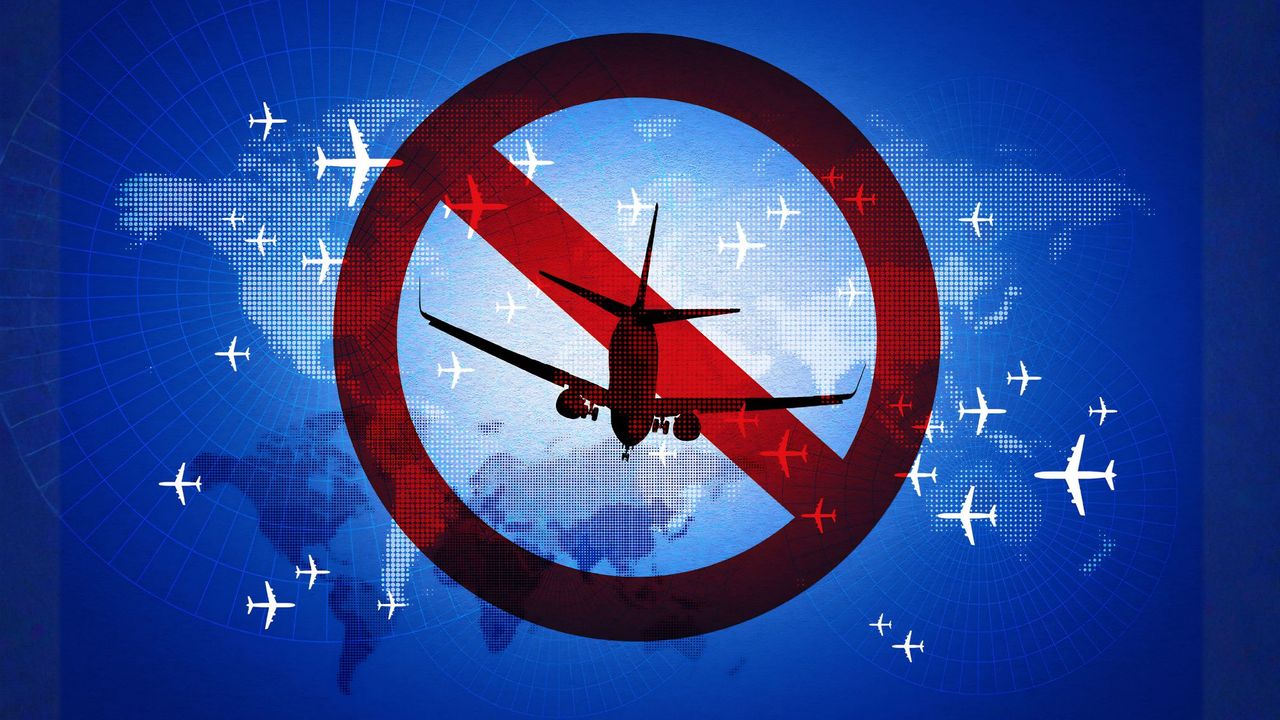
However, due to the risks, flights may not be allowed to enter a nation's airspace, limiting your travel options. You may also need a special visa validation to cross certain borders.

If you do plan to travel to a dangerous country, you should stay abreast of any developments by paying attention to global news and government alerts. You should also contact local authorities and the embassy for additional information.

A sobering reality: If you experience an emergency while traveling in some of these countries, the U.S. government may be unable to help you, leaving you stuck in a potentially life-threatening situation.

You're encouraged to update your will and obtain appropriate insurance coverage, including travel insurance, before starting your journey.

When shopping for travel insurance, however, keep in mind that many policies exclude coverage in countries that have a level 4 travel advisory.

If your destination wasn't on the list at the time you booked your trip, but it is now, you will usually still be covered in that scenario. But it's a good idea to call your insurer to make sure so you know where your coverage stands before you fly.

Related Content

Sign up to read this article
Read news from 100's of titles, curated specifically for you.
Already a member? Sign in here
Related Stories
Top stories on inkl right now
One subscription that gives you access to news from hundreds of sites
Already a member? Sign in here
Our Picks
Fourteen days free
Download the app
One app. One membership.
100+ trusted global sources.