
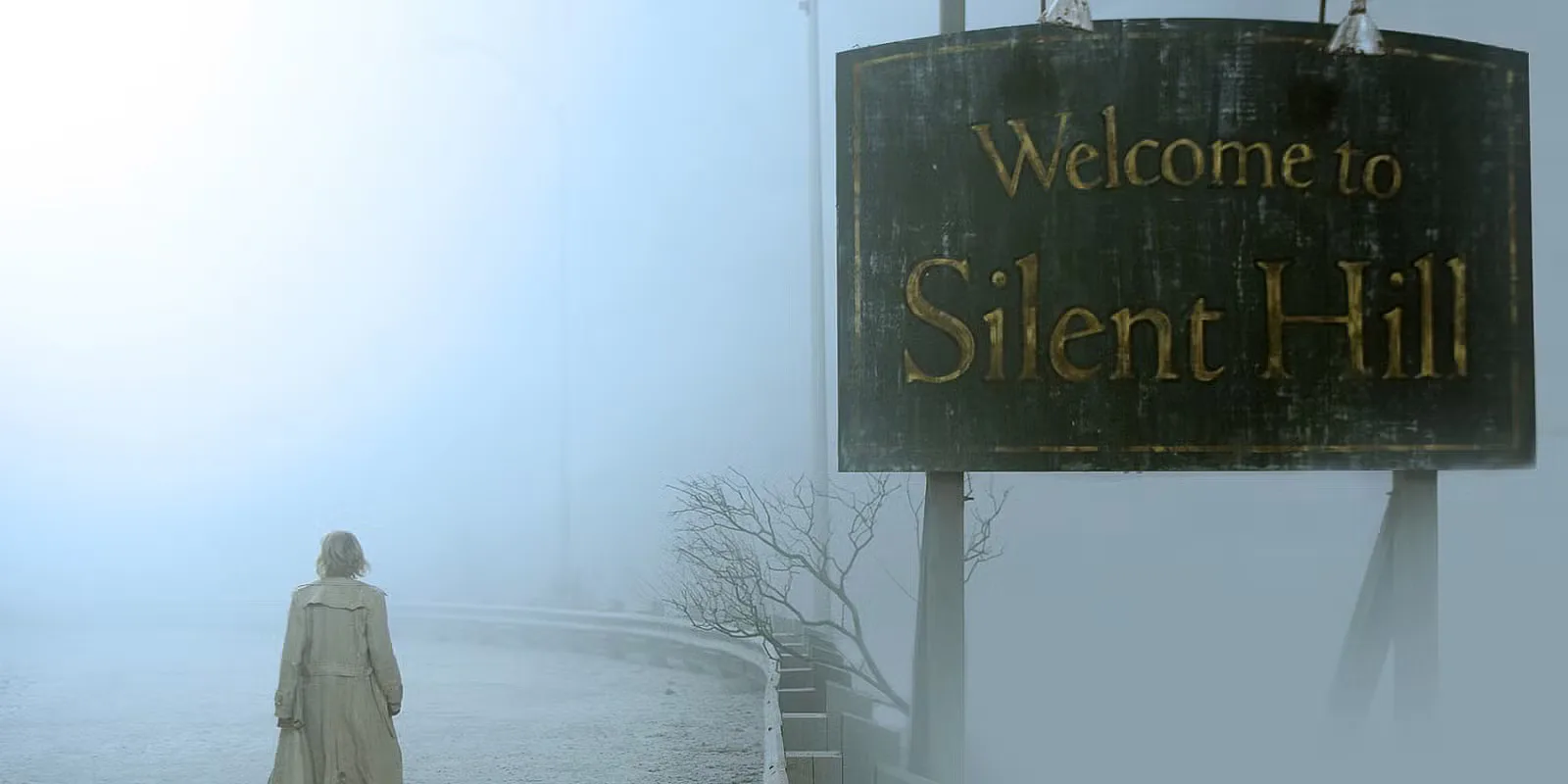
Video games as a medium have come a long way from the days of Spacewar! and Pong, and although its still largely a commercial enterprise, gaming has largely benefitted from a push to be legitimized as a true art form in the same way as literature, music, or film. Nowadays, when the concept of “video games as art” comes up, you can expect to hear some obvious answers: The Last of Us, 2018’s God of War, and Disco Elysium being a few frequently cited contemporary examples. While those games are fantastic in their own right, it feels as if the late 90s and early 2000s were when the medium truly put its foot down and demanded to be taken seriously, and there’s one particular franchise from that era that quickly became hard proof of the artfulness of video games: Silent Hill.
The original 1999 release and its 2001 follow-up, Silent Hill 2, have frequently been called some of the greatest video games of all time, and it’s not difficult to see why. Even in a post-Resident Evil landscape, the cerebral and surreal atmosphere of those first two games was an artistic accomplishment unto itself, one that the entire survival horror genre (including the series’ own sequels) has been trying to replicate for over two decades now. It’s ironic that at a time when video games themselves were struggling to be seen as legitimate art, some of the worst video game adaptations were also being released, pushed by studio executives who never truly understood what it was about the source material that made them so popular to begin with – which makes it all the more shocking that Christophe Gans’ Silent Hill film was one of the only movies of its time to truly get it right.




