Get all your news in one place.
100’s of premium titles.
One app.
Start reading
We Got This Covered
We Got This Covered
Sadik Hossain

$20,000 drones vs. $1 billion radar systems — Iran’s strategy is wreaking havoc on U.S. defenses

Iran‘s Islamic Revolutionary Guard Corps (IRGC) announced on Tuesday that it has successfully destroyed 10 advanced US radar systems across the Middle East and downed several expensive drones during the ongoing conflict. The IRGC also warned about the upcoming arrival of US naval forces, including the aircraft carrier USS Gerald R. Ford, in the Strait of Hormuz, saying: “either there will be security for all or no security for all” in the region.

According to The Wall Street Journal, Iran is specifically targeting the radar systems that serve as the eyes of air defenses in the Middle East, seriously reducing the ability of the US and its allies to track incoming missiles and drones. 

These strikes, which Iran says are retaliation for the US and Israeli bombing campaign, have hit radar, communications, and air defense systems in Qatar, the UAE, Jordan, Bahrain, Kuwait, and Saudi Arabia. US officials, military analysts, and commercially available satellite images all confirm the damage.

The cost gap between Iran’s cheap drones and America’s expensive radar systems is becoming a serious strategic concern

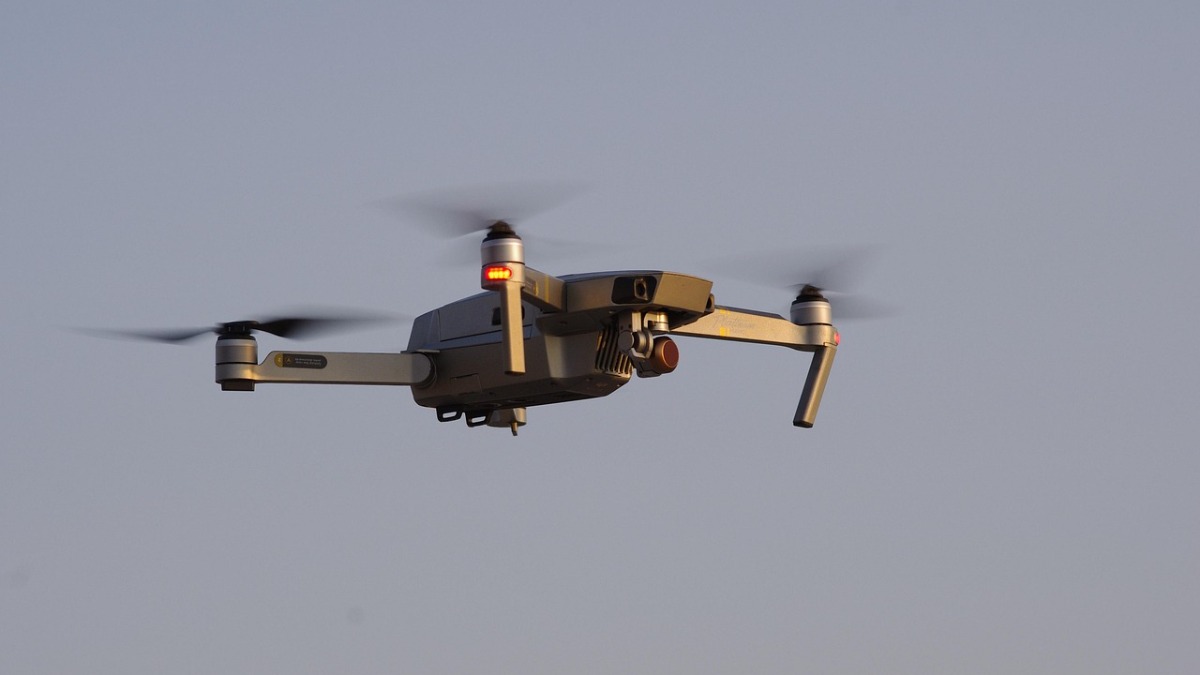
What makes this especially notable is that Iran is using cheap, one-way attack drones like its Shaheds for these hits, which cost a tiny fraction of the sophisticated US systems they are destroying. One of the most significant strikes hit an early-warning radar system at Qatar’s Al-Udeid, the location of the largest American military base in the region. 

The attack damaged an AN/FPS-132 radar, disrupting its ability to function. Experts say one of these systems can cost up to $1 billion, and Thomas Karako, director of the Missile Defense Project at the Center for Strategic and International Studies, called these “scarce, strategic resources.”

US officials are acknowledging the hits. Former assistant secretary of the Air Force Ravi Chaudhary said, “Overall, our defenses are doing quite well. That said, it is clear that the Iranians have a sense of what type of targets they want to continue to press against, and that includes command and control and our ability to detect inbound missiles and drones.”

A US Central Command spokesman stated that the military remains at full combat capability and is adding more equipment and interceptors to strengthen its defenses. Many are now questioning Trump’s exit strategy from the Iran conflict as the situation continues to escalate.

The bigger problem, however, remains. The US and its partners rely on Thaads, Patriots, and other air-defense systems that depend on radar to detect threats, and these systems are both rare and extremely expensive. 

The US Army only has seven operational Thaad batteries in total, with just five that rotate, and two of those are currently deployed in the Middle East. The conflict is also eating through US stocks of interceptors used to fend off missiles.

Iran is believed to have the capacity to produce thousands of these drones, which it has also exported to Russia, with Moscow using them in strikes on Ukraine. There are also concerns that Russia is sharing intelligence with Iran to help target US military forces. 

Iranian Brigadier General Masoud Akhtari stated bluntly, “Because we destroyed the radars, President Trump and Netanyahu are trapped in a slaughter house now in the Middle East,” and predicted oil prices could rise to $150 per barrel. Defense Secretary Pete Hegseth has also drawn attention for his remarks dismissing Iranian casualties amid the ongoing conflict.

Sign up to read this article
Read news from 100’s of titles, curated specifically for you.
Already a member? Sign in here
Related Stories
Top stories on inkl right now
One subscription that gives you access to news from hundreds of sites
Already a member? Sign in here
Our Picks
Fourteen days free
Download the app
One app. One membership.
100+ trusted global sources.