
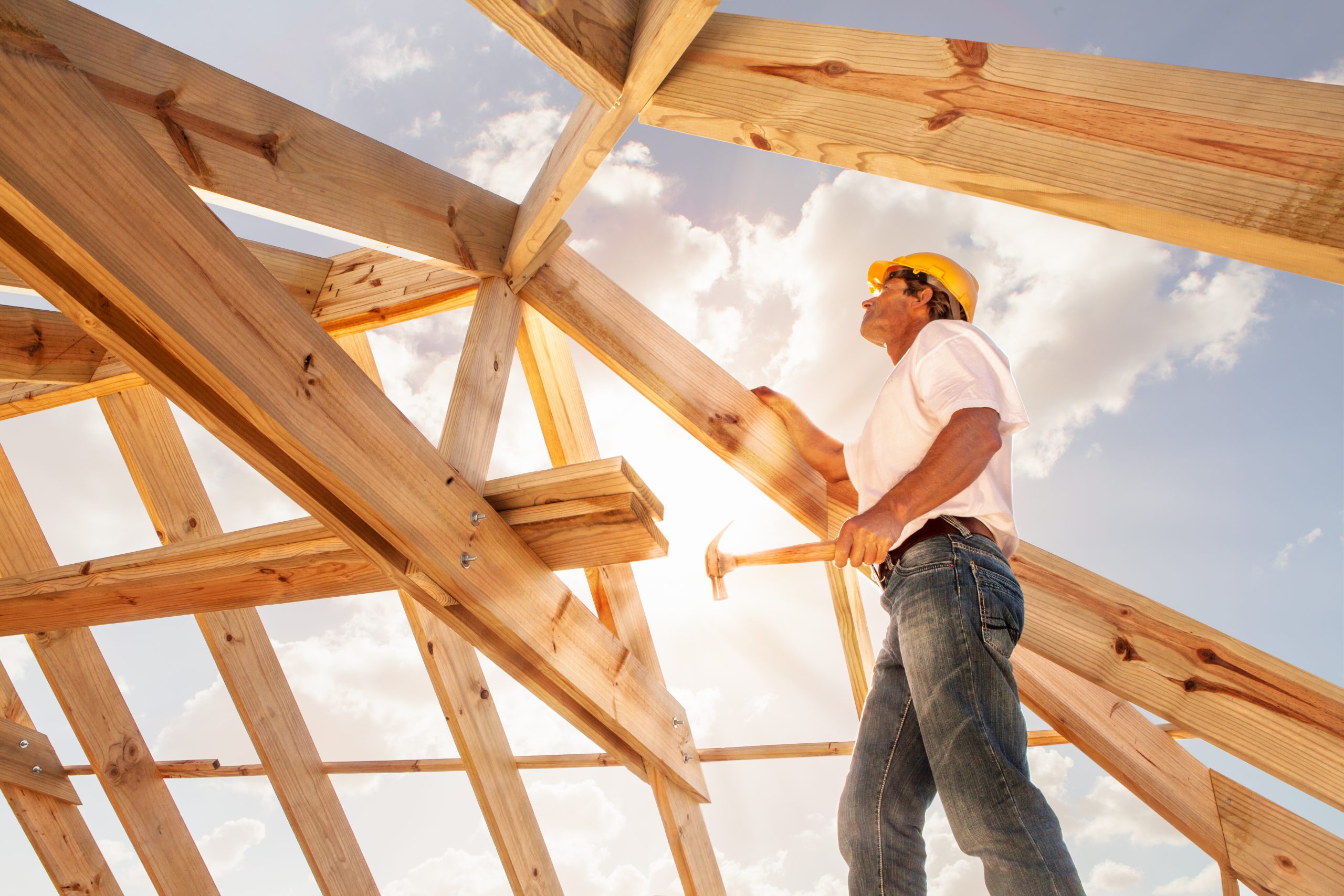
Despite severe supply chain disruptions, the renovation and remodeling trend to make existing homes more comfortable and practical for living and working has driven a rising demand for lumber over the past year. Because hybrid working arrangements are expected to continue for the foreseeable future, the demand for lumber products is expected to remain steady. Furthermore, investors’ interest in the lumber stocks is evident in the iShares Global Timber & Forestry ETF’s (WOOD) 4.6% returns over the past three months compared to the SPDR S&P 500 Trust ETF’s (SPY) 4.5% loss.
Rising mortgage rates are expected to cool the U.S. housing market, which could lessen demand for lumber and result in lower prices. However, with the economy's continuing recovery, the need for lumber is rising. Moreover, a shortage of new homes for sale and President Biden’s infrastructure bill could boost demand for lumber in the coming months.














