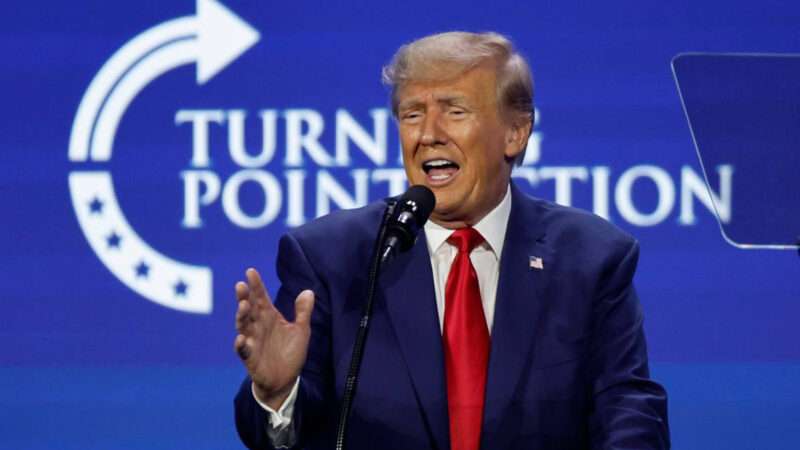
Hundreds of Donald Trump supporters who participated in the January 6, 2021, riot at the U.S. Capitol have been charged with "corruptly" obstructing an "official proceeding"—i.e., the congressional ratification of Joe Biden's victory, which was interrupted by the riot. An expected federal indictment of Trump is likely to include that charge as well. But there are serious questions about whether this statute, 18 USC 1512(c), applies to the rioters' conduct and whether it also covers what Trump himself did.
Congress enacted Section 1512(c) in response to the Enron scandal, which involved the destruction of incriminating documents by the company's auditor, the accounting firm Arthur Andersen. Section 1512(c)(1) makes it a felony, punishable by up to 20 years in prison, to "corruptly" alter, destroy, mutilate, or conceal "a record, document, or other object" with "the intent to impair the object's integrity or availability for use in an official proceeding." Section 1512(c)(2), the provision invoked in the Capitol riot cases, applies the same penalties to someone who "otherwise obstructs, influences, or impedes any official proceeding, or attempts to do so."