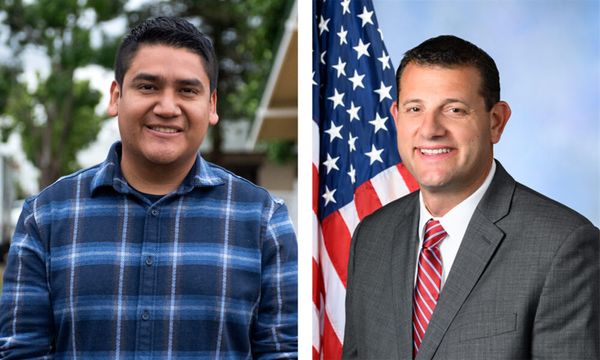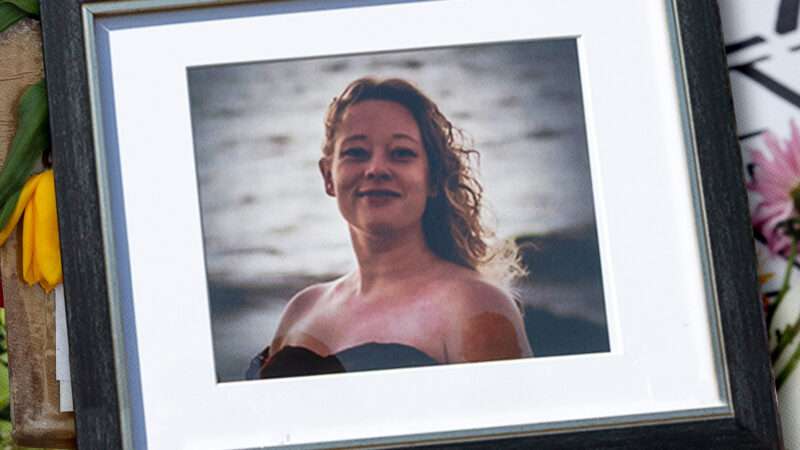
Jonathan Ross, the Immigration and Customs Enforcement (ICE) agent who fatally shot Minneapolis protester Renée Good on January 7, was not in any danger when he fired three rounds into the Honda Pilot she was driving, according to a pair of federal lawsuits that her brother and widow filed on Thursday. Nor was he responding to a threat that Good posed to anyone else, say the plaintiffs, who allege that Ross violated the Fourth Amendment and Department of Homeland Security (DHS) policies by using deadly force in circumstances that did not justify it.
Based on video recorded by witnesses, we already had reason to doubt the assertion that Good "weaponize[d] her vehicle" and "attempted to run a law enforcement officer over," as Kristi Noem, then the DHS secretary, averred the day after the shooting. It also seemed clear that Ross and other ICE agents at the scene disregarded widely accepted traffic stop guidelines and flouted DHS use-of-force rules. But the lawsuits add new details that, if accurate, further undermine the claim that Ross acted in self-defense.