
Get all your news in one place.
100’s of premium titles.
One app.
Start reading
MarketBeat
MarketBeat
Jordan Chussler

2 Bitcoin ETFs to Avoid—and 1 to Watch in 2026

One year ago, President Donald Trump was being heralded as the United States’ first crypto president. His deregulatory platform was expected to be a boon for stocks in the financials sector as well as the crypto industry.  

But things did not go quite as planned. In 2025, financials ranked second-to-last among the S&P 500’s 11 sectors with a gain of just over 5%. Crypto enthusiasts were even more disappointed. 

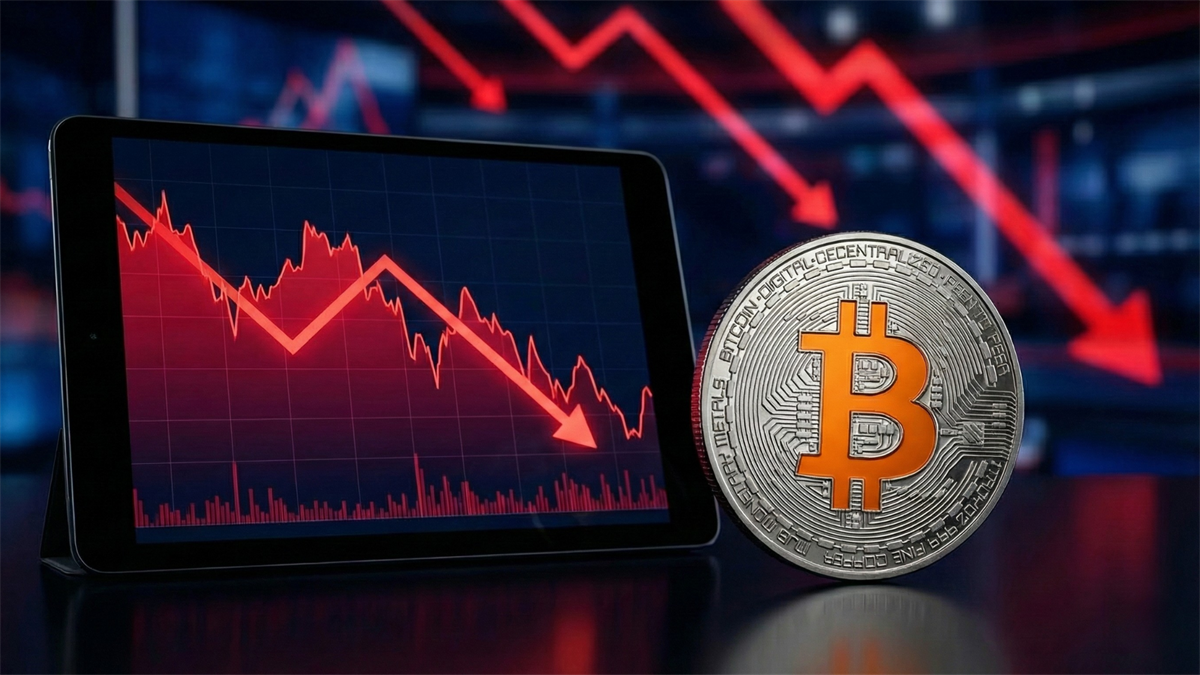
After hitting its then-all-time-high on Jan. 25 (five days after Trump took office for the start of his second term), Bitcoin (BTC) has lost nearly 15%, including a more than 27% loss since its current record high on Oct. 4, 2025. 

That pain wasn’t isolated to the world of decentralized finance, or DeFi. With the advent of crypto spot exchange-traded funds (ETFs), the equity markets have suffered as well, despite massive inflows into the funds providing exposure to Bitcoin and Ethereum (ETH)

As the familiar disclaimer goes, past performance is not indicative of future results. As shareholders of spot Bitcoin ETFs wait for the next potential leg up, they should reconsider two funds whose expense ratios do not justify their performance, while keeping an eye on one with a very inviting expense ratio. 

Despite Breaking Ground, Grayscale Is Eroding Shareholder Returns 

According to blockchain data analytics firm TRM, Bitcoin exchange-traded products (ETPs) saw nearly $10 billion in inflows in 2025. But that surging demand wouldn’t have been made possible without the U.S. Securities and Exchange Commission’s approval of the first 11 spot Bitcoin ETPs on Jan. 10, 2024. 

That landmark decision paved the way for funds—like the Grayscale Bitcoin Trust ETF (NYSEARCA: GBTC)—to start offering indirect exposure to crypto markets by tracking the daily spot price of Bitcoin. 

In doing so, investors who are uncomfortable with the DeFi landscape or simply looking for more convenient access have flocked to these ETFs. The GBTC, for instance, has attracted more than $20 billion in assets under management (AUM) with a highly liquid average daily trading volume of just more than 4 million shares. 

Mirroring Bitcoin prices, the fund has stumbled of late, having posted a loss of more than 29% since reaching its all-time high on Oct. 6, 2025. 

The ETF has an expense ratio of 1.5%, significantly higher than the average passively managed ETF’s expense ratio. Even worse, the fund, which is not actively managed, costs more than the average actively managed ETF. For context, Vanguard charges an average of 0.05% for its ETFs.

ProShares Offers Superior Liquidity, But Elevated Expense Ratios 

Despite a notably lower AUM of $2.45 billion, at nearly 60 million shares, the ProShares Bitcoin ETF (NYSEARCA: BITO) offers higher average daily trading volume compared to the GBTC’s already strong liquidity. 

The fund, which is actively managed, differentiates itself with a long Bitcoin, short U.S. dollar futures strategy. 

But its active management has not helped it produce attractive returns. Over the past year, the fund has fallen nearly 50%. 

Like the GBTC, the BITO carries a higher-than-usual expense ratio. While those charges account for everything from administrative and compliance fees to management and marketing fees, the industry average for an actively managed ETF is substantially lower. 

According to Morningstar Direct, the average expense ratio for actively managed ETFs is 0.44%. ProShares, on the other hand, charges 0.95% for its Bitcoin ETF. 

Current short interest of 17.42% suggests that shareholders could see more downside risk in the near term. 

iShares Is the Largest Bitcoin ETF With Lower-Than-Average Fees

The best-case scenario could be the fund offered by BlackRock (NYSE: BLK). As a spot Bitcoin ETF, the iShares Bitcoin Trust ETF (NASDAQ: IBIT) has performed similarly to the GBTC but better than the actively managed BITO. Since its all-time high on Oct. 3, the fund is down about 27%. 

But with an AUM of $68.33 billion, it is the largest Bitcoin ETF available on the market, and its more than 55 million shares of average daily trading volume make it more liquid than the GBTC and nearly as liquid as the BITO. 

Most importantly, the fund carries an expense ratio of just 0.25%. That has made it incredibly attractive to institutional investors. Over the past 12 months, institutional buyers have outnumbered institutional sellers 1,557 to 417, with inflows of more than $11 billion easily surpassing outflows of just $1.55 billion. Current short interest stands at just 1.43% of the float. 

The fund is likely to enjoy a long-term catalyst as BlackRock announced on Jan. 21 that it has partnered with insurance company Delaware Life to offer a U.S. fixed index annuity offering Bitcoin exposure. That exposure will use the IBIT to manage the annuity’s crypto access. 

Where Should You Invest $1,000 Right Now?

Before you make your next trade, you'll want to hear this.

MarketBeat keeps track of Wall Street's top-rated and best performing research analysts and the stocks they recommend to their clients on a daily basis.

Our team has identified the five stocks that top analysts are quietly whispering to their clients to buy now before the broader market catches on... and none of the big name stocks were on the list.

They believe these five stocks are the five best companies for investors to buy now...

See The Five Stocks Here

The article "2 Bitcoin ETFs to Avoid—and 1 to Watch in 2026" first appeared on MarketBeat.

Sign up to read this article
Read news from 100’s of titles, curated specifically for you.
Already a member? Sign in here
Related Stories
Top stories on inkl right now
One subscription that gives you access to news from hundreds of sites
Already a member? Sign in here
Our Picks
Fourteen days free
Download the app
One app. One membership.
100+ trusted global sources.