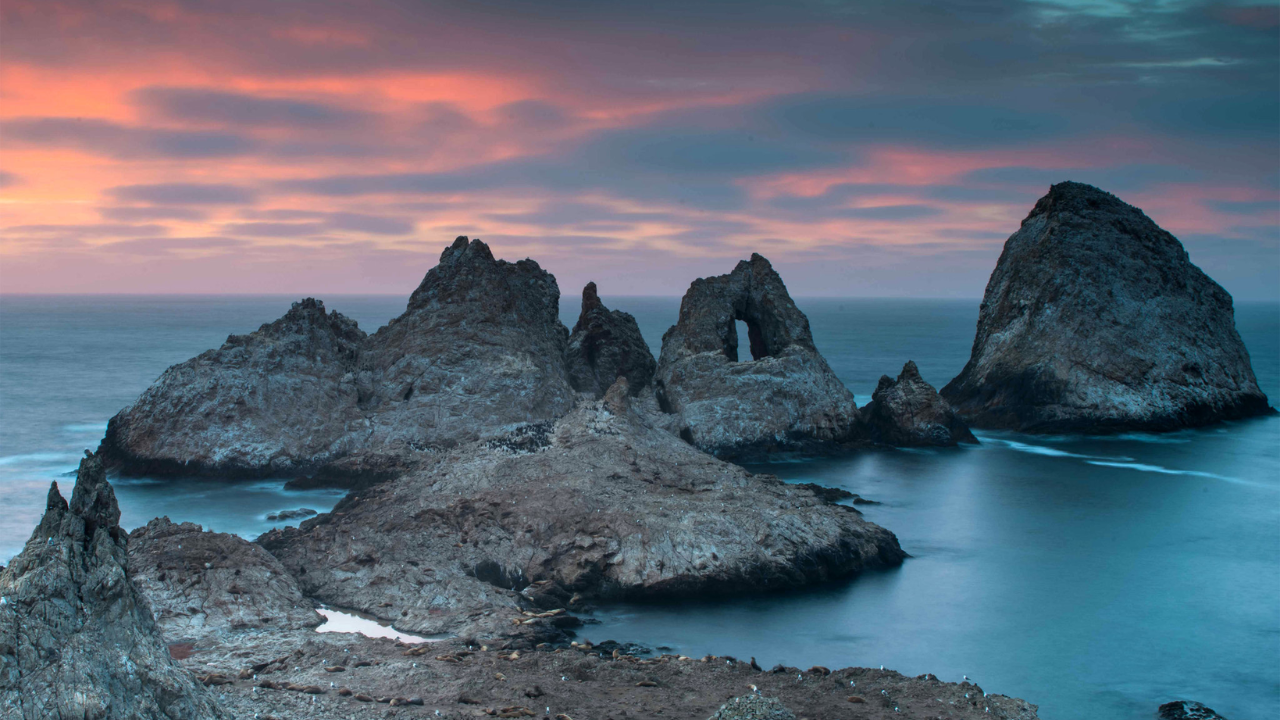
Accidentally brought to the Farallon Islands by ships in the 19th century, non-native house mice have reached extremely high numbers, with densities of up to 1,270 mice per hectare. The rodents are disrupting the fragile ecosystem of the islands, located about 30 miles off the coast of San Francisco. Research published in Ecosphere by the Ecological Society of America, along with conservation reports from Point Blue Conservation Science and the San Francisco Bay Wildlife Society, describes how invasive house mice (Mus musculus) have changed the food web on the South Farallon Islands. The Farallon Islands National Wildlife Refuge contains the largest seabird nesting colony in the contiguous United States. More than 300,000 breeding birds from 13 species live there. However, the accidental arrival of mice during the maritime trade era created a long-term environmental problem that continues to affect native wildlife.
Get breaking news anytime, anywhere. Download the TOI app now!