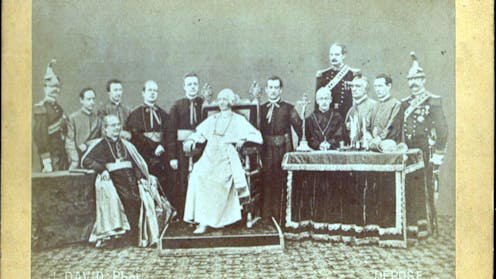
When Robert Francis Prevost chose the papal name Leo XIV, it could have meant many things. There were 13 Leos before him: The first, Leo the Great, was a fifth-century theologian who helped heal the doctrinal divisions among early Christians; Leo X, a member of the powerful Medici family, helped provoke the Protestant Reformation with his lavish lifestyle and sale of indulgences.
Two days after his election, the new pope affirmed the most likely inference: that his name was a tribute to the most recent Leo, Pope Leo XIII, who died in 1903. Less obvious, however, was what inspired his choice: the rise of artificial intelligence.