
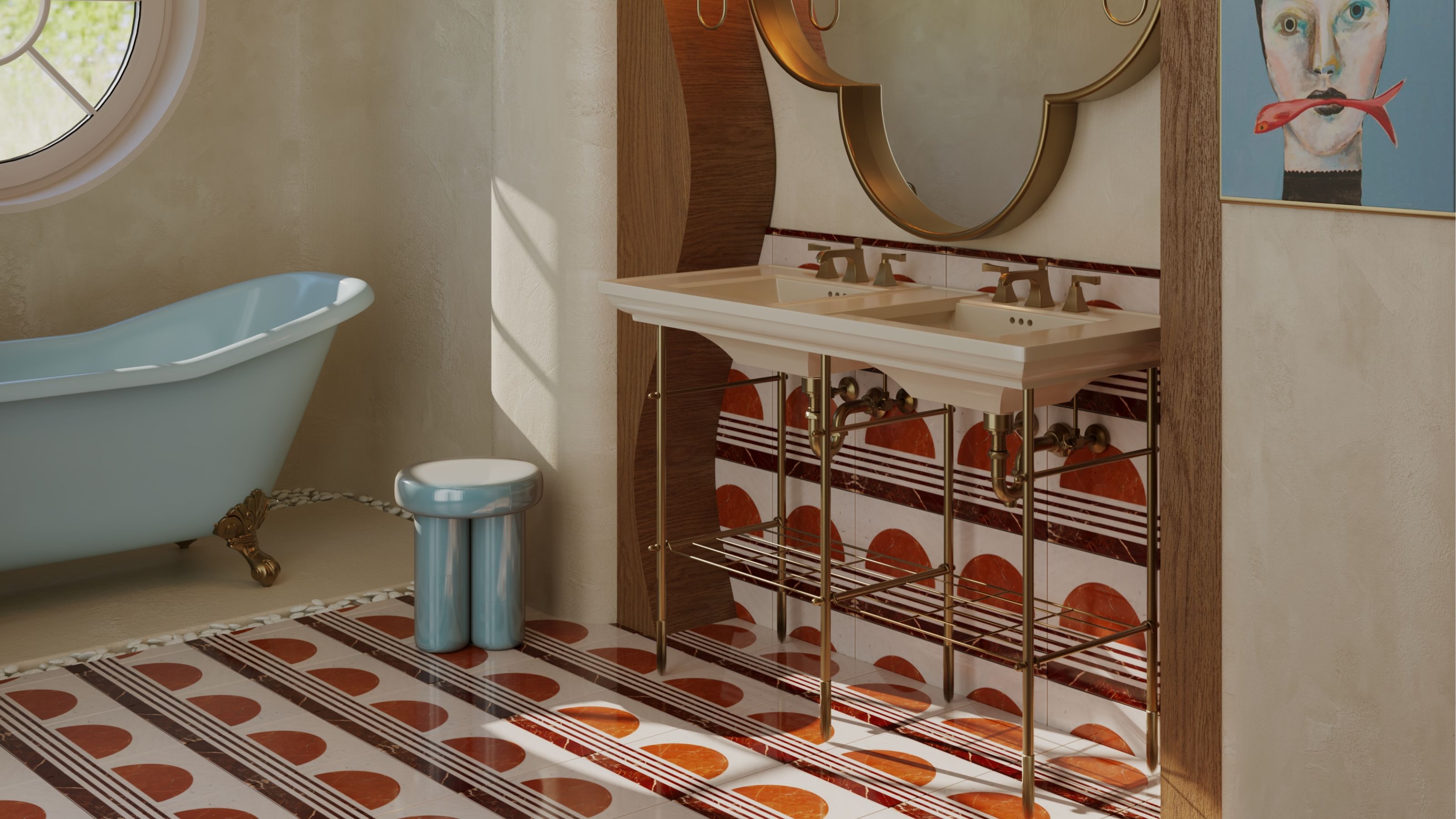
Start your bathroom design from the ground up — choosing the right flooring is essential, as this foundational element ensures the longevity and durability of the space.
It’s a hardworking surface that needs to handle moisture, feel comfortable under bare feet, be easy to clean, and look effortlessly beautiful. But selecting the right flooring isn’t always simple — with so many options in terms of materials, finishes, grout types, and tile sizes, it can quickly become overwhelming.

Thankfully, the experts are here to help. We asked top industry professionals to recommend the most practical yet stunning modern bathroom flooring options that will stand the test of time while feeling relevant for 2025.
1. Nothing Says Timeless Better Than Marble

The good news? You don’t need a major makeover to achieve that designer look — marble bathrooms can do it for you. This timeless stone works beautifully in both classic, opulent settings and sleek, contemporary spaces, catering to a wide range of design preferences. While white marble bathroom tiles have long been a favorite among homeowners and designers alike, today’s trends are leaning toward darker stones — not only for their striking aesthetic but also for their practicality.
“Eager to mix old with new, we designed an extremely sleek bathroom of classical proportions, with a Grigio Carnico marble basin that continued onto the flooring,” say Guillaume Gibert and Baptiste Rischmann, founders of RMGB.
The dark color and bold veining help conceal dirt, marks, and even small cracks, making it a smart and stylish choice. Plus, it brings a distinctive character to the space — a sophisticated way to introduce color into the room.
2. Go for Bright, Colorful Tiles for a Dramatic Bathroom

If you’re on the hunt for creative bathroom color ideas, this space by Another Human is a perfect example of bold, playful design.
Why settle for paint when you can make a statement with bright, vivid tiles instead? Try creating a joyful palette of greens, blues, pinks, or any tones that speak to your style, and color-drench the room for an instant mood boost. This approach would work especially well in powder rooms or kids’ bathrooms, giving the space a fun, jewel-box feel.
“I selected the Daltile tiles in my bathroom because I love lime green and aqua blue together, and since it was my own bathroom, I could push the color palette into a more wild space than most clients would be interested in,” says Leah Ring, principal at Another Human. “I did a bit of a wider grout line to lean into the sort of retro feeling of the 4x4 tile.”
Crafted from natural woven seagrass, this laundry basket brings an earthy, textured charm to the bathroom. It features a coordinating lid to keep contents neatly tucked away, along with a sturdy handle made from coated fabric for easy lifting. It’s a perfect addition to your home.
Add a touch of elegance to your bathroom with this chic soap dispenser. Featuring a natural stone-look finish and ridged texture, it’s both stylish and tactile. A polished chrome nozzle completes the modern, sophisticated design, making it a functional yet decorative addition.
Brighten up your bathroom with this cheerful daisy bath mat. Made from soft, tufted 100% cotton, it offers a non-slip, absorbent surface for stepping out of the bath or shower. Both practical and playful, it’s machine washable for easy care and adds a fun, cozy touch to your space.
3. Mix and Match Flooring Types for a More Functional Bathroom

A big bathroom flooring trend is to not rely on a single tile throughout the entire bathroom — in fact, it’s often more practical to choose different materials for the dry and wet zones.
Take this space by Nicholas Sangaré, founder of SANGARE, as an example. The combination of bathroom floor tiles adds visual depth while also making the space easier to use and maintain.
“We really like to choose materials based on their function,” says Sangaré. “In this case, it didn’t make sense to tile the entire floor. Plus, if we had, we would’ve needed to install underfloor heating, which would have added unnecessary costs to the project. So, we designed it in a way that lets us use hardwood flooring all the way up to the toilet, ensuring you can walk on warm floors most of the time. Tiles are only used in high-traffic areas where easy cleaning is essential.”
4. Choose Mosaic Flooring

Wondering if you can use mosaic tiles on the floor? Absolutely! Mosaics aren’t just timeless — they’re ageless. These tiny tiles can look incredibly pretty, though they do require a skilled hand to install. Regardless of the color palette you choose, mosaic tiles add pattern, texture, and depth to a bathroom.
“I chose a neutral, mosaic flooring to add a little texture to the space and contrast with the large-format tile in the shower and chunky slab vanity top,” says Laura Williams of Living Oak Interior Design. “This tile is made of natural stone and is a beautiful way to bring durability into the space.”
5. Make a Statement with Micro-Mosaics

Adding an art mosaic or micro-mosaic can instantly create a calming, spa bathroom effect. In addition to their durability, mosaic tiles are incredibly versatile — offering endless possibilities when it comes to patterns, sizes, and color combinations.
“The main purpose of choosing this floor material was not to overshadow the bold triangular sink design,” says Ömer Özturk, founder of Ömer Özturk Interiors. “The sink has a strong presence due to its shape and marble material, so I wanted to go with a very flat and simple floor tile. Extending the tiles from the wall to the floor helped create contrast and an optical illusion between the geometries. I liked the variety created by combining the square tiles with the triangular sink. I love using different geometric shapes and forms together.”
6. Add Charm to a Muted Bathroom With Vivid Tiles

Speaking of mosaics, marble mosaic tiles offer a wealth of benefits when it comes to interior design. For those looking to elevate their bathrooms with luxurious touches, marble remains a timeless choice that delivers both elegance and practicality. Whether used in a bathroom or elsewhere in the home, these tiles are a smart investment thanks to their durability and enduring appeal.
“The bathroom floor features a tumbled marble mosaic, where softly muted colors are scattered organically across a base of beige-toned tiles,” says designer Jono Fleming. “This mosaic approach adds visual interest without overwhelming the space, introducing pattern on pattern in a way that feels both playful and grounded. The overall palette remains calm and neutral, while subtle pops of earthy tones and a touch of navy in the side table provide moments of depth and contrast.”
7. Match the Bathroom Flooring With the Wallpaper

Go all out with a bathroom wallpaper, and tiles to match. This space by Victoria Sass, design director at Prospect Refuge is a great example.
“Choosing a unique wallpaper for your bathroom is one thing, but combining the perfect pattern with a custom tile, now we're talking!” she says. “I'm so in love with this over-the-top marriage of textures — it gives this teeny tiny space so much life.”
8. Make a Statement With Encaustic Cement Tiles

What if you could have a carpet in the bathroom? Sounds unusual? Not if you're using tiles instead. One of the biggest bathroom tile trends right now is laying tiles in creative patterns and layouts — almost like a beautiful runner that flows from the sink across the floor and up the wall, as seen in this space designed by interior designer Rana Gunes.
She says: "In this bathroom design, I aimed to blend the tranquil and warm essence of the Mediterranean with contemporary aesthetics. Otto Tiles' sunset-inspired tiles, interpreting the mesmerizing color transitions of nature through a modern lens, became the focal point of the design. The warm tones used, especially in conjunction with the play of light in the bathroom, add depth and a dynamic atmosphere to the space. While drawing inspiration from the Mediterranean's unique texture, I made sure not to compromise on simplicity with the sharp lines of contemporary design. Each tile provides both a visual and emotional warmth."
9. Keep it Calm and Simple With Speckled Terrazzo Tiles

Durable, hygienic, and visually striking, terrazzo is a standout choice for bathroom flooring. Not only is it stylish, but certain types of terrazzo are also resistant to microbial growth, making it a naturally more sanitary option that supports a healthier indoor environment.
In terms of bathroom tile costs, terrazzo is relatively affordable for a natural stone, starting at around £75 per square meter. For a custom, poured-in-place finish, prices can range from £400 to £600 per square meter.
Aesthetically, it’s hard to beat the mesmerizing, speckled finish of terrazzo, which adds depth and interest to a space, preventing it from feeling too flat. In this bathroom, the flooring provides a grounding contrast to the fully painted walls.
“We wanted a floor for this bathroom that would evoke the feeling of a beach,” say Petra Decouttere and Jan Baes of AE-architecten. “So we created a custom terrazzo mix designed to capture that mood. The walls are finished with green Mortex, which complements the flooring beautifully.”
10. Or Go for a Larger-Flecked Terrazzo

Add drama and intrigue to your bathroom with heavily speckled terrazzo flooring. As it continues to rise in popularity, more budget-friendly alternatives have emerged — most notably, porcelain terrazzo tiles. These options mimic the look of real terrazzo, offering a hard-wearing and low-maintenance surface. Porcelain versions are typically created by scanning actual terrazzo and printing the image onto a porcelain base.
"The seamless yet versatile quality of terrazzo, in addition to its bold, striking pattern, which resonates with the green wall tile, makes it the obvious winner for the choice of flooring," says Maithili Raut, partner at reD Architects.
11. Ensure Practicality and Durability With Porcelain Tiles

Experts largely agree that porcelain and ceramic are considered the best bathroom flooring options. “Porcelain and ceramics historically tend to be the most durable, as they are hard-wearing and easy to maintain,” says Lindsay Olson, principal and founder of Lulu Designs.
Porcelain, in particular, absorbs less than 0.5% of moisture and is naturally dense, making it highly resistant to water and ideal for bathroom environments. Its density also makes it an excellent option for high-traffic areas, as it's less prone to wear and tear. Through-body porcelain — where the color runs throughout the entire tile, not just on the surface — is especially resistant to scratches, making it both a practical and long-lasting choice.
12. Add Dimension With Patterned Flooring

Wondering how to tile a bathroom in more interesting ways? One approach is to shift the entire focus to the flooring. Consider geometric, Aztec, or chevron patterns — these not only add a decorative touch but also create the illusion of a more spacious room.
Olson says, “In this bathroom, we used decorative porcelain. The pattern was chosen to add a fun element to an original 1960s classic beach home. The client wanted to give it a facelift while still keeping it playful and distinct from the original all-white tile used throughout.”
13. Opt for Wood for an Organic Vibe

Wood bathrooms? Yes, please! While tile has long been the go-to material for bathroom surfaces — and for good reason — tile and grout aren’t entirely immune to stains or cracking. That’s where the magic of wood comes in. The way it feels underfoot, the warmth it brings, and even the way it reflects light can transform the space. Wood adds natural color, depth, and softness, balancing out the harder finishes of ceramic or porcelain.
Natural softwood planks can create a stylish, eco-conscious look. Just keep in mind: bare wood is prone to staining, so sealing it with a water-based urethane will help preserve its grain and vibrancy. To complete the look, pair your flooring with wood cabinetry and storage in complementary tones for a layered, cohesive feel.
"When investing in hardwood flooring, one of the most critical factors to consider is its durability as it directly impacts how well the flooring can withstand daily wear and tear, foot traffic, moisture, and other environmental factors," says Aparna Kaushik, founder & architect of Aparna Kaushik Design Group.
14. Boost the Bathroom's Palette With Poured Microcement

Give a small bathroom a big boost of personality with vivid flooring. Poured microcement floors are a great option — this finish is seamless, durable, and visually striking. It's particularly well-suited to bathrooms thanks to its resistance to water, stains, and wear in high-traffic areas.
“We used small red mosaic tiles on the walls and floor of the bathroom,” says Martina Fenech Adami, founder of Studio NiCHE. “The rest of the floor features a light blue and beige microcement finish.”
15. Choose Groutless Bathroom Flooring for a Seamless Look

One of the best ways to make a small bathroom look bigger is by going groutless. Seamless, uninterrupted surfaces create the illusion of more space, making the room feel brighter and more open. Groutless finishes are also more hygienic, as they eliminate the grout lines where mold and mildew can accumulate, meaning less time spent on cleaning.
"Polymer floors are known for their durability, water resistance, and seamless finish," says Zakhar Zibrov of ZRIVERSTUDIO. "They’re a popular choice for wet areas like bathrooms because they create a smooth, non-porous surface that’s easy to clean and resistant to mold and mildew. Additionally, polymer flooring can be customized with various colors, patterns, and textures, making it both functional and aesthetically versatile, although we personally lean toward a monochrome approach."
Groutless surfaces are typically durable and resistant to moisture and wear. Many options, such as large-format porcelain or ceramic tiles, are waterproof, making them ideal for bathroom use. What’s more, groutless installations can sometimes be more cost-effective than traditional tiled setups.
From classic stone flooring like marble and terrazzo (whether lightly or heavily speckled) to tiles such as ceramic, porcelain, mosaic, and more — there are countless ways to bring life into your bathroom while ensuring it remains durable, low-maintenance, and timeless. And don’t forget — your bathroom flooring can also serve as the focal point of the space. Bright colors, bold patterns, or unexpected textures can transform the room and add a unique design statement.
FAQs
What Is the Best Flooring for a Bathroom?
Choosing the right bathroom flooring means balancing practicality with aesthetics. Among the top contenders, porcelain tile stands out for its sleek appearance, exceptional durability, and near-zero water absorption — perfect for wet areas. Vinyl tile is another smart pick, offering a softer, warmer feel underfoot, impressive water resistance, and a wide range of design options at an affordable price. For a clean, contemporary vibe, microcement delivers a seamless, grout-free surface that’s both modern and easy to care for.
What Is the Best Flooring for a Small Bathroom?
When choosing flooring for a small bathroom, it’s important to prioritize both visual space and functionality. Ceramic tile is a great option — it's cost-effective, easy to clean, and comes in a wide variety of colors and patterns that can visually open up a room. To add character to the small space, you can also consider terrazzo as it brings a speckled, stylish look that adds pattern without overwhelming the room.
What Is the Best Way to Pick Bathroom Flooring?
Begin by assessing the bathroom’s moisture exposure — since it’s a high-humidity environment, opt for materials that are water-resistant, durable, slip-resistant, and easy to clean. Options like ceramic, microcement, luxury vinyl, and porcelain are all excellent choices.
Consider the room’s size as well; light-colored, large-format, or seamless flooring can visually expand smaller spaces. Your lifestyle also plays a role — if comfort is a priority, vinyl or wood-look alternatives offer a softer feel underfoot. Visually, your flooring should either harmonize with or add contrast to the rest of the room, including walls and fixtures. For a bold design statement, don’t shy away from vibrant patterns or textured tiles.