Get all your news in one place.
100’s of premium titles.
One app.
Start reading
GamesRadar
GamesRadar
Technology
Dustin Bailey

14 years after Witcher 2 publisher Bandai Namco sued CD Projekt for cutting DRM, ex-studio head and new GOG owner doubles down on anti-DRM stance: "Most corporate people, they make plain stupid decisions"

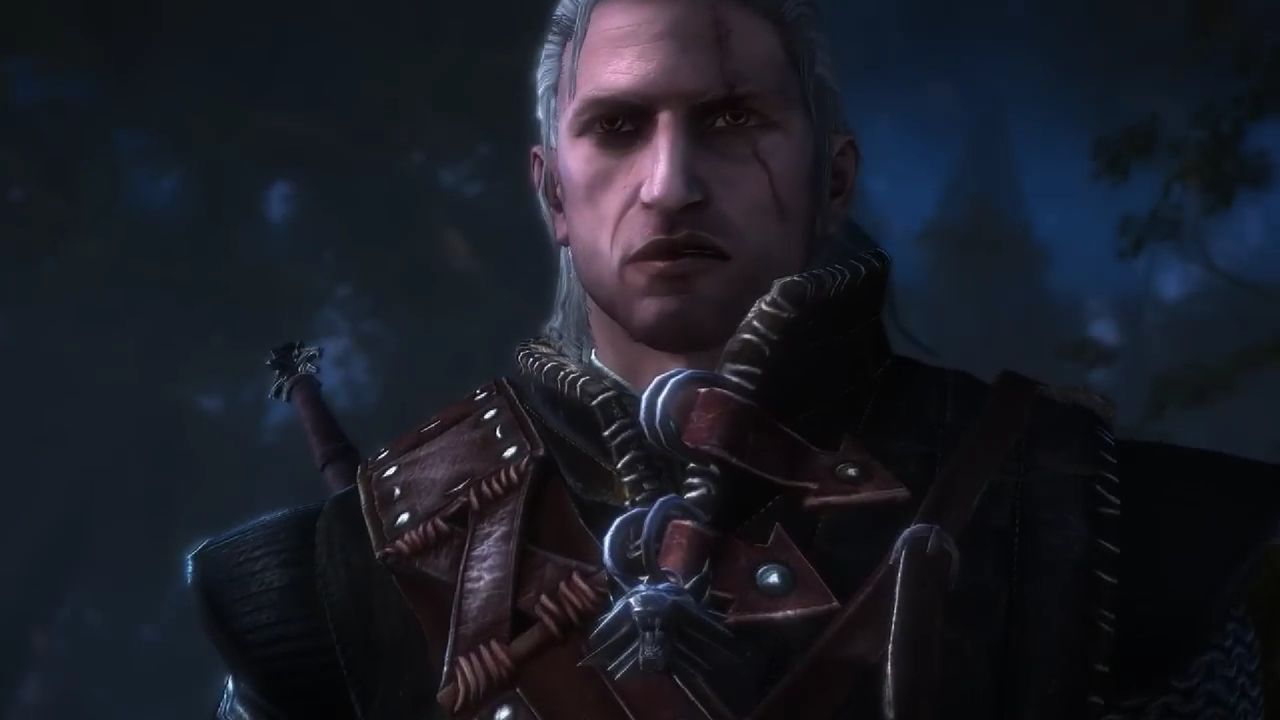
Geralt in The Witcher 2.

GOG is under new(ish) ownership, as CD Projekt co-founder Michał Kiciński has bought back the digital PC game store from his old company. While there's a change in management, it seems there won't be a change in philosophy, as Kiciński insists the platform's anti-DRM policy isn't changing on his watch.

"This is a core value of GOG, and there's no signs that it might die in any visible future," Kiciński tells GamesIndustry.biz. "This is not only an ethical value, but it's also very pragmatic. It helps people to enjoy games no matter what happens with the software provided by the platform or what internet connection they have."

Kiciński criticizes the kind of game-buying experience "where you pay full price, but your rights are more as somebody who rents the game." When you buy a digital game, you're technically just buying a license to use that game – a license that can be revoked at any time. Technically that's also true of anything you buy from GOG, but since the platform offers DRM-free installers that you can save as backups, your ability to install a given title can never be completely revoked.

"Since the very beginning, we haven't seen DRM as a solution for piracy, because the games get pirated anyway, nearly day one," Kiciński says. "We see DRM as something which can make the life of a legal customer more difficult. The only reason to keep it alive can be to please the owners of the games, because that's their requirement quite often."

Kiciński has some experience arguing with publishers who insist on including DRM – not just when he's courting devs for GOG, but also with one of CD Projekt Red's own titles. Shortly after the launch of The Witcher 2 in 2011, the devs introduced a patch fully removing DRM from the game. "We felt DRM was necessary to prevent the game being pirated and leaked before release," the studio said in a statement at the time. "This purpose has been served, so we are pleased to let our users enjoy the full freedom of game usage they deserve."

"Most corporate people, they make plain stupid decisions. I had firsthand experience of this with The Witcher 2, where our own publisher sued us," Kiciński says now. The game's publisher at the time was Bandai Namco, and the company did indeed sue CDPR for the DRM removal.

"They couldn't understand that it [wasn't harming] their business because the game was already pirated," Kiciński adds. "But they were not sensitive to the voices of gamers complaining that the DRM was causing some errors or slowing down the game."

"Steam is winning with its ease of use" but not on quality, says new GOG owner pondering how to "take the market" from Valve: "We don't release hundreds of games daily, 95% of which are really not super high quality."

Sign up to read this article
Read news from 100’s of titles, curated specifically for you.
Already a member? Sign in here
Related Stories
Top stories on inkl right now
One subscription that gives you access to news from hundreds of sites
Already a member? Sign in here
Our Picks
Fourteen days free
Download the app
One app. One membership.
100+ trusted global sources.