Get all your news in one place.
100’s of premium titles.
One app.
Start reading
Grocery Coupon Guide
Catherine Reed

13 Store Checkout Lines That Steal Extra Cash

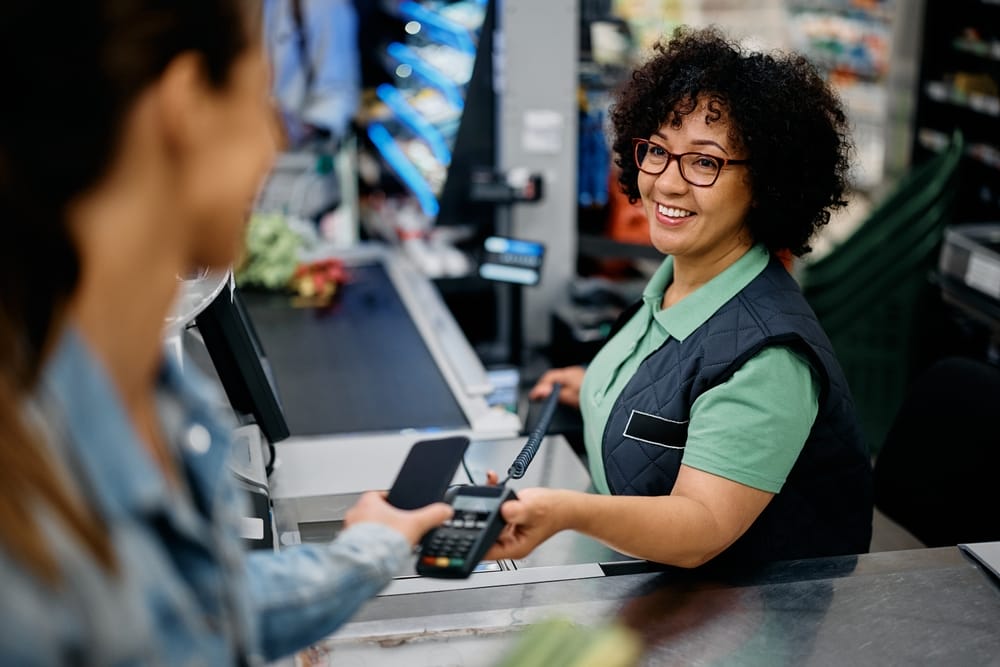
Image source: shutterstock.com

You’ve filled your cart with everything on your list, only to walk away from the register wondering why your total seems higher than expected. It’s not just inflation—many store checkout lines are designed to make shoppers spend a few extra dollars without realizing it. From product placement to last-minute impulse triggers, retailers use clever psychology to squeeze out a little more from every transaction. Understanding how these setups work can help you avoid unnecessary spending and keep more money in your wallet. Here are 13 checkout lines that quietly drain your budget—and what you can do to stop it.

1. Grocery Store Impulse Aisles

Among the most notorious store checkout lines are those at grocery stores stacked with candy, gum, and drinks. These inexpensive items seem harmless, but they’re strategically placed to tempt shoppers waiting in line. Children often grab them first, but adults aren’t immune to the urge. The combination of boredom and visual appeal encourages spontaneous purchases. Grabbing a few small treats every week can add up to hundreds of extra dollars each year.

2. Convenience Store Counters

Convenience stores thrive on quick, unplanned spending, and their checkout lines are masterclasses in persuasion. Snacks, lottery tickets, and even mini electronics crowd the counter space. By the time you reach the register, your brain is primed to make small add-on purchases. These stores rely on the “what’s one more dollar?” mindset to increase profits. The best defense is to bring exact change or pay attention to what’s already in your hand before adding anything else.

3. Big-Box Retailers’ “Grab and Go” Sections

Stores like Walmart and Target have expanded their store checkout lines to include small gadgets, toys, and accessories that seem like deals. The problem is, many of these items are overpriced compared to what you’d pay in other aisles. They’re placed near the register precisely because people are less likely to compare prices when they’re ready to pay. The sense of urgency—combined with the illusion of affordability—makes shoppers more impulsive. Waiting to buy these items later often saves money.

4. Self-Checkout Stations

Self-checkout may feel efficient, but it’s another way checkout lines encourage extra spending. Digital screens often display promotional offers while you scan, prompting you to add one more thing before finishing. Many systems also suggest related items, much like an online shopping cart. Because you’re focused on scanning and bagging, it’s easy to say yes without thinking. Turning off or ignoring upsell prompts can help you stay on budget.

5. Pharmacy and Drugstore Lines

Drugstores like CVS and Walgreens are famous for checkout clutter. Seasonal goods, small gifts, and travel-sized products are packed near the registers. The combination of necessity and convenience makes these purchases feel justified. However, these tiny items often carry high markups. Avoid browsing while waiting for prescriptions or receipts—your wallet will thank you.

6. Department Store Beauty Counters

Beauty departments use checkout lines to showcase trial-size products, perfumes, and last-minute “exclusive” offers. These are placed right where customers are most vulnerable—after investing time testing or sampling products. The framing of these items as “limited” creates pressure to buy immediately. The truth is, these mini-items often cost more per ounce than their full-size versions. Walking away without adding anything extra is a small but powerful financial win.

7. Hardware and Home Improvement Stores

Even stores like Home Depot and Lowe’s use store checkout lines to nudge customers into small purchases. Bins of batteries, flashlights, and tape rolls seem practical but are often priced higher than elsewhere in the store. These “essential” add-ons are specifically placed to catch DIYers who worry they might forget something. Retailers know fear of inconvenience drives last-minute spending. A shopping list helps you stay focused on what you actually need.

8. Discount and Dollar Stores

It might seem impossible to overspend in a dollar store, but their checkout lines are designed to make you do just that. Small toys, cleaning supplies, and novelty snacks fill every inch of counter space. Shoppers often toss in a few extras, assuming the low price doesn’t matter. Over time, these “harmless” items become budget leaks. Even small purchases count when you make them frequently.

9. Gas Station Counters

Gas station store checkout lines are all about convenience and impulse. Drinks, candy, and car accessories line the counter for quick grabs. Because customers are often in a rush or on road trips, they justify the extra expense for the sake of ease. The prices, however, are much higher than at supermarkets. Sticking to preplanned stops for snacks and drinks can help avoid the gas station markup trap.

10. Pet Stores

Pet stores use their store checkout lines to tug at emotions. Cute toys, treats, and accessories seem irresistible when you’re thinking about your furry friend. Staff often highlight “buy one, donate one” promotions that sound charitable but drive impulse buying. While it feels good to splurge, these extras can quietly inflate your total. Buying in bulk during planned trips is far more cost-effective.

11. Clothing Retailers

Fashion retailers place inexpensive accessories and socks near checkout lines to make customers feel they’re completing their outfit. The small price tags and appealing displays make them seem like smart add-ons. These impulse buys often go unused or forgotten after purchase. The psychology here relies on shoppers wanting to leave with a “complete” shopping experience. Reminding yourself you came for specific items helps resist temptation.

12. Bookstores and Gift Shops

Bookstores and museum gift shops often use store checkout lines to display quirky gifts and novelty items unrelated to reading or culture. These products are priced high but rely on emotional impulse rather than practicality. Because customers are already in a relaxed, browsing mindset, they’re more open to last-minute purchases. These stores count on nostalgia or curiosity to close the sale. A quick price check online usually reveals whether it’s really worth it.

13. Airport Shops

Airport store checkout lines are perhaps the worst offenders. Prices are inflated across the board, and travelers often buy without thinking due to stress or time pressure. Snacks, neck pillows, and souvenirs dominate the area near registers. The urgency of boarding calls makes people less likely to compare prices or decline extras. Packing essentials ahead of time is the best way to avoid these airport spending traps.

Spotting the Traps Before They Empty Your Wallet

Understanding how store checkout lines are designed gives you power over your spending. Once you recognize the visual cues and psychological tricks, it becomes easier to stay disciplined. Slowing down, sticking to a list, and ignoring last-minute “deals” can help save hundreds each year. Retailers count on impulse; smart shoppers count on awareness. The next time you’re in line, look around—you’ll see exactly how those small extras sneak onto your receipt.

Which checkout lines tempt you the most? Share your experiences or saving strategies in the comments below.

What to Read Next…

The post 13 Store Checkout Lines That Steal Extra Cash appeared first on Grocery Coupon Guide.

Sign up to read this article
Read news from 100’s of titles, curated specifically for you.
Already a member? Sign in here
Related Stories
Top stories on inkl right now
One subscription that gives you access to news from hundreds of sites
Already a member? Sign in here
Our Picks
Fourteen days free
Download the app
One app. One membership.
100+ trusted global sources.