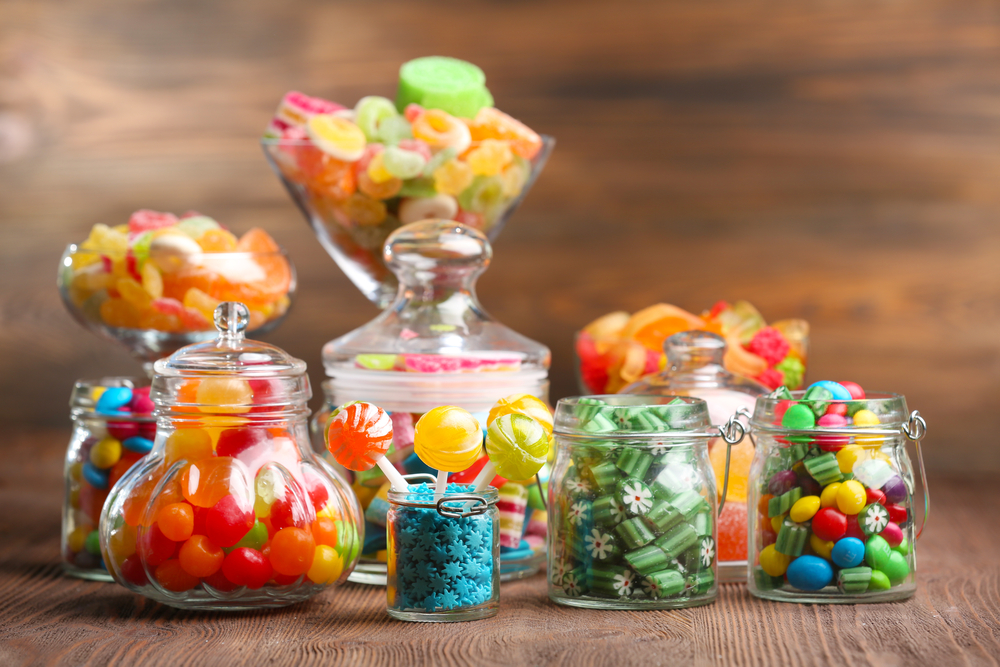
It’s easy to grab a candy bar or a pack of gummies without checking the price. But have you ever wondered why some candies seem much pricier than others? The truth is, many shoppers pay double for certain candies without even realizing it. This usually happens because of packaging, brand, or where you buy them. The next time you’re at the store, knowing which treats are marked up can help you keep more cash in your pocket. By understanding which candies shoppers pay double for, you can avoid falling into the trap of overpaying for your favorite sweets. Let’s look at 13 candies that often cost more than they should.
1. Movie Theater Boxed Candy
Those big, colorful boxes of candy at the movie theater look tempting, but they often cost much more than their grocery store counterparts. Even the same brands—like Raisinets or Milk Duds—are sold at a premium just because of the packaging and the setting. You’re paying for the convenience and the experience, not just the candy. Shoppers often pay double for these candies compared to what they’d spend at a regular store.
2. King Size Candy Bars
King size candy bars promise more chocolate for your buck, but the price per ounce is usually much higher than buying standard-size bars in multipacks. Many people assume bigger is better, but the cost ratio tells a different story. When you’re craving a treat, check the unit price before grabbing the king size version—you might be surprised how much extra you’re paying.
3. Holiday-Themed Candies
Seasonal candies—think Valentine’s Day hearts or Halloween-shaped chocolates—often come with a hefty markup. The novelty shapes and festive wrappers are fun, but they rarely justify the price jump. Candy shoppers pay double for items that often include these limited-edition treats, even though the actual product inside is nearly identical to the regular version.
4. Gift Boxed Chocolates
Gift boxes filled with assorted chocolates look fancy and make for easy presents, but they can cost twice as much as a simple bag of the same brand’s chocolates. The cost for packaging and presentation gets passed on to you. If you’re buying for yourself, skip the box and save money by choosing a bag or bar instead.
5. Imported Candy Brands
Imported candies, especially European chocolates and Japanese gummies, are trendy and delicious. However, the import fees, shipping costs, and specialty store markups mean shoppers pay double—or more—for these treats. If you love these candies, look for online deals or wait for sales to cut your costs.
6. Convenience Store Packs
Buying candy at a convenience store is quick, but it’s rarely cheap. Single packs of gum, mints, or chocolate bars are often marked up significantly compared to grocery stores or big box retailers. Candy shoppers pay double for the ones you grab on the go, so plan ahead and buy in bulk if you want to save.
7. Organic or “Natural” Candy
Health-conscious shoppers sometimes reach for organic or all-natural candies, thinking they’re making a better choice. While these treats may use different ingredients, the price tag can be double or more compared to standard options. Always check the label and compare prices before spending extra for a health halo.
8. Novelty Candies and Character Shapes
Character-shaped lollipops or candies tied to popular movies and TV shows are fun for kids and collectors, but they come with a premium price. The licensing fees and special molds mean you’ll pay much more for a candy that tastes just like the regular version. Candy shoppers pay double for ones that often have a familiar face on the wrapper.
9. Single-Serve Bags of Gummies
Those tiny, single-serve bags of gummies are convenient for lunches or snacking, but you’re paying a lot for portion control and packaging. Larger bags or bulk bins offer the same candy for much less per ounce. If you love gummies, buy the bigger bag and portion them out yourself to avoid the extra cost.
10. Airport and Travel Retail Candy
Airport shops and travel retailers are notorious for their high prices on snacks and candy. With limited options and a captive audience, they can charge double or more for basic treats. Next time you travel, pack your own snacks or buy ahead of time to avoid the markup.
11. Sugar-Free and Specialty Diet Candies
Sugar-free, keto, or gluten-free candies are often priced much higher than their traditional counterparts. While specialty ingredients can cost more, the markups are sometimes out of proportion. Compare labels and prices to make sure you’re not paying double just for a dietary label.
12. Small Packs at Checkout Counters
The little packs of candy near the register—think mints or mini chocolate bars—are designed for impulse buys. These candies that shoppers pay double for are all about convenience. If you want to save, skip the checkout stand and buy larger packs from the candy aisle.
13. Limited-Edition Flavors
Limited-edition flavors like pumpkin spice or birthday cake can be tempting, but they come with a higher price tag. The exclusivity and short-term availability mean you’ll pay more for the novelty. If you love trying new things, keep an eye out for sales or coupons to soften the blow.
How to Avoid Paying Double for Candy
Being a smart shopper means knowing which candies shoppers pay double for and why. Look for unit pricing, compare brands, and avoid impulse buys at convenience stores or airports. Buy in bulk when you can, and remember that fun packaging or novelty shapes usually don’t change the taste, just the price.
Have you noticed any other candies shoppers pay double for? Share your experiences and tips in the comments below!
What to Read Next…
- These 7 Foods Are Always Cheaper at Dollar Stores Than Grocery Chains
- 10 Popular Snacks Ranked by Nutrition and What to Skip
- Why You Should Stop Grocery Shopping on Sundays and What Day Is Best
- 10 Ways Supermarkets Influence Your Spending and How to Outsmart Them
- 15 Shocking Grocery Price Comparisons That Will Change How You Shop Forever
The post 13 Candies Shoppers Pay Double for Without Realizing appeared first on Grocery Coupon Guide.