
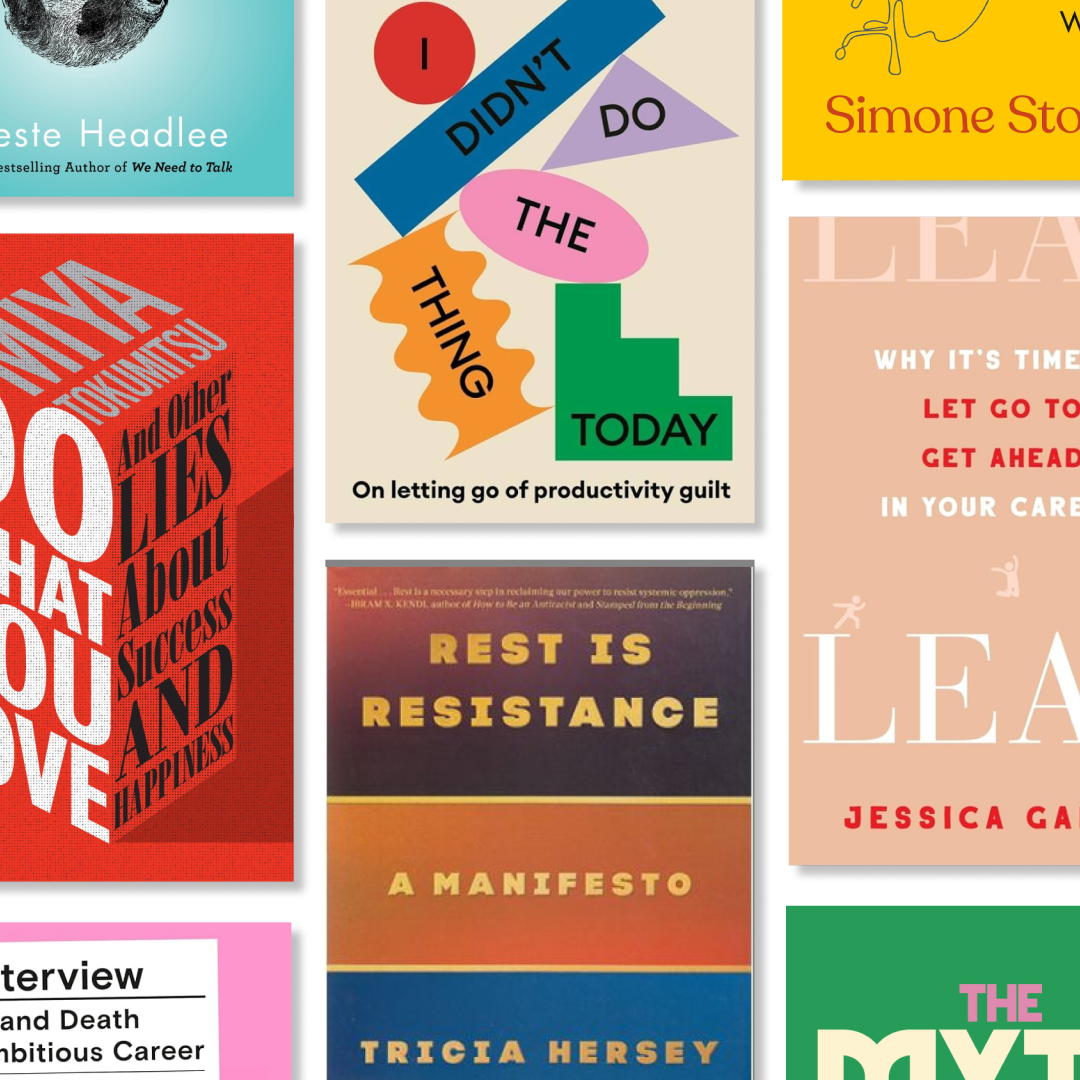
The 21st century introduced the rise of the girlboss: the (tastefully) badass woman who, in contrast to so many before her, can choose to prioritize her career over everything else, bursting through glass ceilings and clawing her way to executive roles, all without giving up her femininity. She’s a superwoman who “has it all,” juggling a high-powered career and a family, all while wearing a stylish power suit and painfully high heels. On paper, it may seem like a good idea, especially after women’s rights activists spent decades fighting for access first to the workplace and then, once they had a foot in the door, to the highest levels of the corporate structure. In reality, however, girlbossery leaves much to be desired.
Setting aside the inherent issue of its patronizing, infantilizing name, many are increasingly realizing that, rather than signifying a win for feminism, the idea of the girlboss only perpetuates the racist, classist, and, yes, sexist structures of late-stage capitalism. Now, it's just with a glittery, hot pink overlay to make it seem like something revolutionary and new. (It’s not.) The vast majority of those held up as the ultimate girlbosses throughout the 2000s and 2010s were overwhelmingly young, white, and cisgender, suggesting that there was only one way to be a high-achieving woman. Beyond that, girlboss toxicity is further entrenched in its celebration of an all-out sprint to the top of the corporate ladder—of “leaning in” to office policies that all but destroy the idea of work-life balance—which have proven to have major consequences on both physical and mental health.