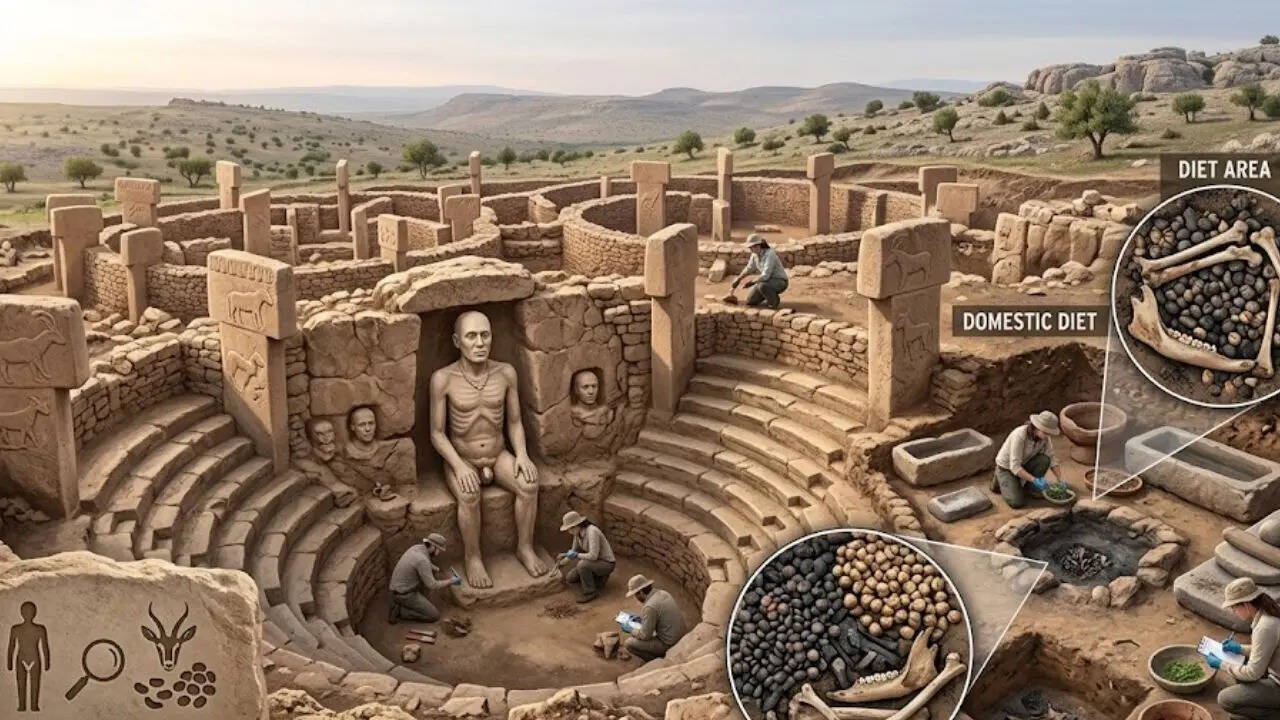
Recent excavations at Karahantepe, a pivotal site within the Taş Tepeler project in southeastern Türkiye, have unearthed staggering evidence of Neolithic complexity. This site, dating back around 12,000 years, has produced over-life-sized human statues and detailed carvings of animals that transform our view of prehistoric art. Yet, the most astonishing find involves plant remains. While they remained hunters and gatherers, their subsistence was semi-managed; discoveries show they also ate a varied diet that included wild legumes. This transition from roaming for food to a more settled lifestyle indicates Karahantepe was not just a simple settlement but an advanced society practising 'pre-domestication' cultivation. Such findings redefine the timeline of human agricultural evolution, highlighting the profound ingenuity of early civilisations.