

Most people think of canned beans and rice when they start building an emergency preparedness kit. However, humans can survive for weeks without food but only a few days without clean drinking water. An emergency water supply requires much more thought than simply stacking a few plastic bottles in the garage. You need a comprehensive system to filter, store, and purify water if the municipal supply goes down. These eleven items are absolutely critical for securing a safe water supply for your family.
1. Unscented Liquid Bleach
Plain bleach is one of the most effective and cheapest ways to purify questionable water in an emergency. You only need a few drops per gallon to kill harmful bacteria and viruses lurking in the water. You must ensure you buy the plain, unscented version without any splashless additives or special floral fragrances. It is important to rotate your bleach supply every year because the chemical slowly loses its potency over time. It is a powerful tool that costs less than three dollars at any local grocery store.
2. Large Water Storage Barrels
Storing water in small plastic bottles is fine for a few days, but long-term emergencies require massive volume. You should invest in fifty-five-gallon food-grade water barrels to keep in your basement or garage. These barrels hold enough water to sustain a family for several weeks if rationed very carefully. You will need a special bung wrench and a siphon pump to get the water out safely. It is the most space-efficient way to guarantee you have a deep reserve when the taps run dry.
3. A Quality Water Bob
A Water Bob is a heavy-duty plastic bladder designed to fit perfectly inside your standard bathtub. If you know a hurricane or severe storm is approaching, you can lay it out and fill it quickly. It holds up to one hundred gallons of tap water and keeps it completely sealed off from dirt and soap. This gives you a massive, temporary water reserve right inside your home for drinking and basic hygiene. It is a brilliant invention that costs very little but provides incredible peace of mind during storms.
4. Personal LifeStraws
A LifeStraw is a compact, personal water filter that allows you to drink directly from questionable water sources. It removes bacteria and parasites instantly as you suck the water through the advanced filtration membrane. These are incredibly cheap and small enough to throw into every single backpack or emergency go-bag you own. They are perfect for situations where you are forced to evacuate your home and travel on foot. Every member of your family should have one of these assigned to their personal emergency kit.
5. Water Purification Tablets
Boiling water requires valuable fuel, which might be in very short supply during a severe grid-down scenario. Water purification tablets offer a fast and chemical-based alternative to make collected water safe for drinking. They usually contain iodine or chlorine dioxide and work within thirty minutes of dropping them in a container. They taste slightly metallic, but they will absolutely keep you from getting sick from waterborne pathogens. They take up zero space and are an essential backup to your standard physical water filters.
6. A Gravity Filtration System
While personal straws are great for traveling, you need a larger system for filtering water at your house. Gravity filters like the Berkey or similar generic brands use large carbon filters to clean gallons of water daily. You simply pour dirty water into the top chamber and let gravity pull it through the purifying elements. These systems require no electricity, and the filters last for thousands of gallons before needing replacement. It is an expensive investment upfront, but it is the gold standard for home emergency water preparation.
7. Coffee Filters and Bandanas
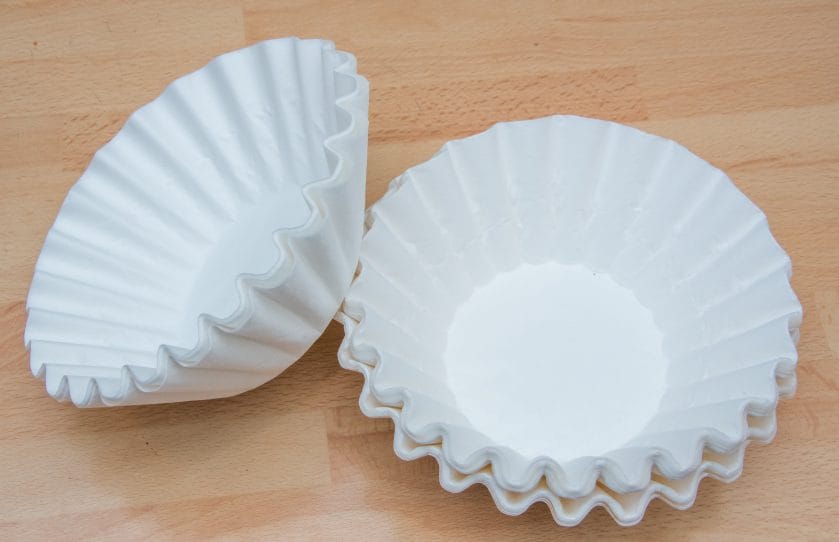
Chemical purifiers and microscopic filters can get clogged quickly if you try to process muddy water. You need a pre-filtration method to remove the large chunks of dirt, leaves, and sediment first. Standard paper coffee filters or a clean cotton bandana work perfectly for this initial straining process. Simply pour the dirty water through the cloth into a bucket before you use your expensive water filters. This simple step extends the life of your high-end purification tools significantly during an extended crisis.
8. Collapsible Water Jugs
If you have to leave your home to scavenge for water, you need a way to carry it back. Hard plastic buckets are bulky and difficult to carry over long distances without spilling the contents everywhere. Collapsible water jugs fold completely flat when empty but expand to hold five gallons of water when needed. They feature heavy-duty handles and built-in spigots that make pouring the water out incredibly easy and sanitary. They are essential for transporting water from a local creek or designated emergency distribution center.
9. A Sillcock Key
A sillcock key is a small metal tool used to open tamper-resistant commercial water spigots on buildings. If you are stranded in an urban environment, many commercial buildings still have water in their pipes. This little wrench allows you to access the exterior water spigots found on the sides of strip malls and offices. It costs less than ten dollars at a hardware store and gives you access to hidden urban water sources. It is a must-have tool for any city dweller building a realistic emergency evacuation bag.
10. Heavy-Duty Trash Bags
Thick contractor-grade trash bags are incredibly versatile tools that have multiple uses in an emergency water scenario. You can use them to line a cardboard box or a hole in the ground to create a makeshift water basin. They can also be tied around the leafy branches of a tree to collect condensation through solar transpiration. In a pinch, they can serve as an emergency poncho to keep your clothing dry during a severe rainstorm. You should always keep a roll of these bags next to your primary water storage barrels.
11. Electrolyte Powder Packets
Drinking pure water is important, but severe stress and physical exertion will quickly deplete your body of critical salts. Electrolyte powders like Liquid I.V. or generic oral rehydration salts are vital for preventing dangerous dehydration. They help your body actually absorb the water you are drinking on a cellular level much faster. They also add a pleasant flavor to water that might taste strange due to chemical purification tablets. Keeping a box of these packets with your water supply is a smart medical precaution.
Respect the Water
Building a reliable emergency water supply is arguably the most important prepping task you will ever undertake. You have to plan for collection, filtration, and long-term storage to keep your family safe during a disaster. These eleven items give you a layered defense system against dehydration and dangerous waterborne illnesses. You will sleep much better knowing you have this critical resource completely handled in your home.
How Do You Store Water?
What is your primary method for storing water in your home for severe storms or emergencies? Have you ever had to use a water purification filter during a real power outage? Staying hydrated during a crisis is a challenge that requires community knowledge and sharing. Let us know your best water prepping strategies in the comments below!
What to Read Next
7 Energy Drinks That Overcharge for Sugar Water
8 Bottled Waters That Cost More Than Milk — And Why
10 Ways to Spot Water-Pumped Meats at the Grocery Store
Magic Number: How Much Water Should You Drink For Weight Loss?
10 Health Reasons You Stop Drinking Bottled Water
The post 11 Items to Buy for Your Emergency Water Supply appeared first on Grocery Coupon Guide.