Image: pexels
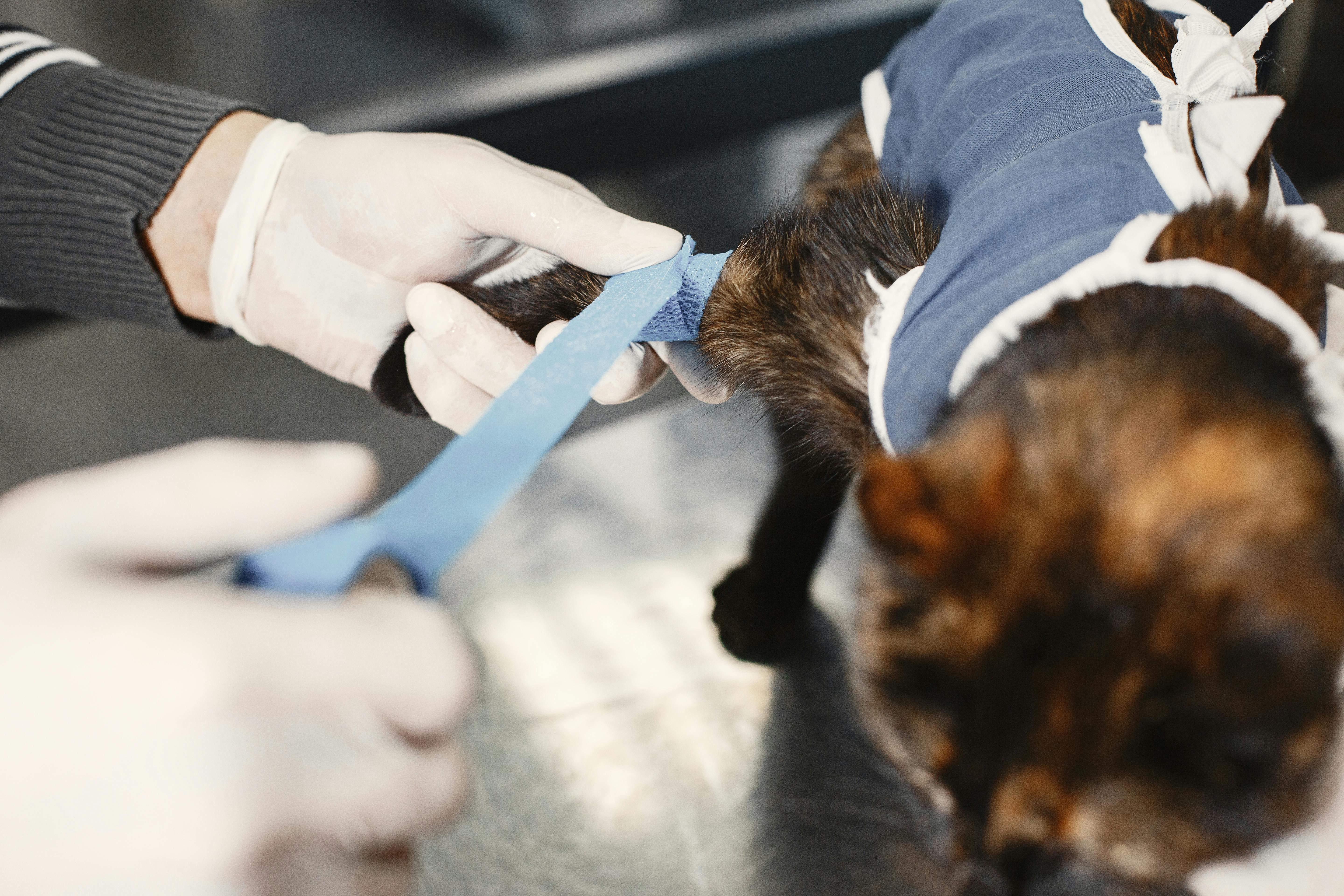
More than 100,000 pet surgeries are performed every day across the United States. But forget the numbers for a bit. Seeing your companion struggle with restricted mobility or post-operative discomfort after a major procedure is what's more heartbreaking for any owner.
And yes, the initial operation fixes the primary issue. But the quality of the subsequent recovery phase determines how quickly they return to their normal life.
Veterinarians now use advanced protocols to help animals heal faster.
1. Controlled Leash Walks
Movement is medicine when managed correctly by a professional. Vets recommend short, slow walks on a flat surface to maintain muscle tone without risking the integrity of the surgical site. Controlled leash walks help prevent the joint stiffness that often follows long periods of total inactivity.
2. Hydrotherapy and Rehabilitation
Veterinary teams often suggest specific aquatic exercises to reduce the weight on healing bones. At Westwood Regional Veterinary in New Jersey, pet rehabilitation is often recommended for injured or aging animal companions. It is especially helpful after surgery.
An in-clinic visit offers hydrotherapy as one of the ways to build strength in a buoyancy-controlled environment that protects the limbs. Sessions involve guided walking underwater on an aqua therapy treadmill or swimming in an in-ground pool.
3. Laser Therapy
Cold laser treatments use specific wavelengths of light to stimulate cellular regeneration and blood flow. This non-invasive method significantly reduces inflammation and provides immediate pain relief for the animal. Many clinicians find that therapeutic lasers accelerate tissue repair and improve overall surgical outcomes.
4. Veterinary Acupuncture
Acupuncture is no longer just for humans. Pets find relief from it too, and it helps during recovery. Tiny needles inserted at specific points help manage chronic pain and neurological dysfunction following spinal or orthopedic surgeries.
5. Electrical Stimulation
Neuromuscular electrical stimulation prevents muscle atrophy by sending small electrical impulses to the affected limb. This is particularly useful for pets that are temporarily unable to bear weight on their own.
6. Targeted Strengthening
Vets design specific exercises to rebuild the exact muscle groups weakened by the surgical process. Here, the movements focus on restoring balance and coordination through repetitive motor patterns.
Some of these include:
- Sit-to-stand repetitions
- Balance board sessions
- Controlled stair climbing
They ensure your pet does not develop permanent compensatory limping habits.
7. Range Of Motion Exercises
Passive range of motion involves a vet or technician gently moving the pet's joints through their natural path. This prevents the formation of restrictive scar tissue that can permanently limit a pet's flexibility. Experts suggest using scent-based enrichment as one of the ways to keep the pet mentally engaged while they are physically restricted.
8. Pain Scoring
Vets use standardized pain scales to monitor subtle behavioral changes that indicate discomfort. Catching pain early allows for medication adjustments before stress slows down the pet's healing process. With consistent observation, clinical teams can distinguish between normal post-operative grogginess and acute distress.
9. Anti-Inflammatory Nutrition
Healing requires significant metabolic energy and specific nutrients to rebuild skin and muscle, which is why vets recommend certain meals post-surgery. For instance, a diet rich in omega-3 fatty acids helps to keep your pet healthy and happy by reducing systemic inflammation. Your vet may also insist on high-quality proteins, which are vital for repairing the tissues damaged during the surgical incision.
10. Owner Adherence Tracking
The best clinical plan fails if the home care instructions are not followed. Veterinarians now use digital logs to ensure owners stay consistent with medication timing and exercise restrictions. Clear communication between the clinic and the home environment remains the most important factor in a successful outcome.
Active Healing Journeys
After your pet undergoes surgery, recovery is more of a marathon than a quick sprint. Watching your pet regain their confidence is the most rewarding part of the process. You can find more insightful stories on pet wellness and overall health and that of your own by browsing our recent posts.