
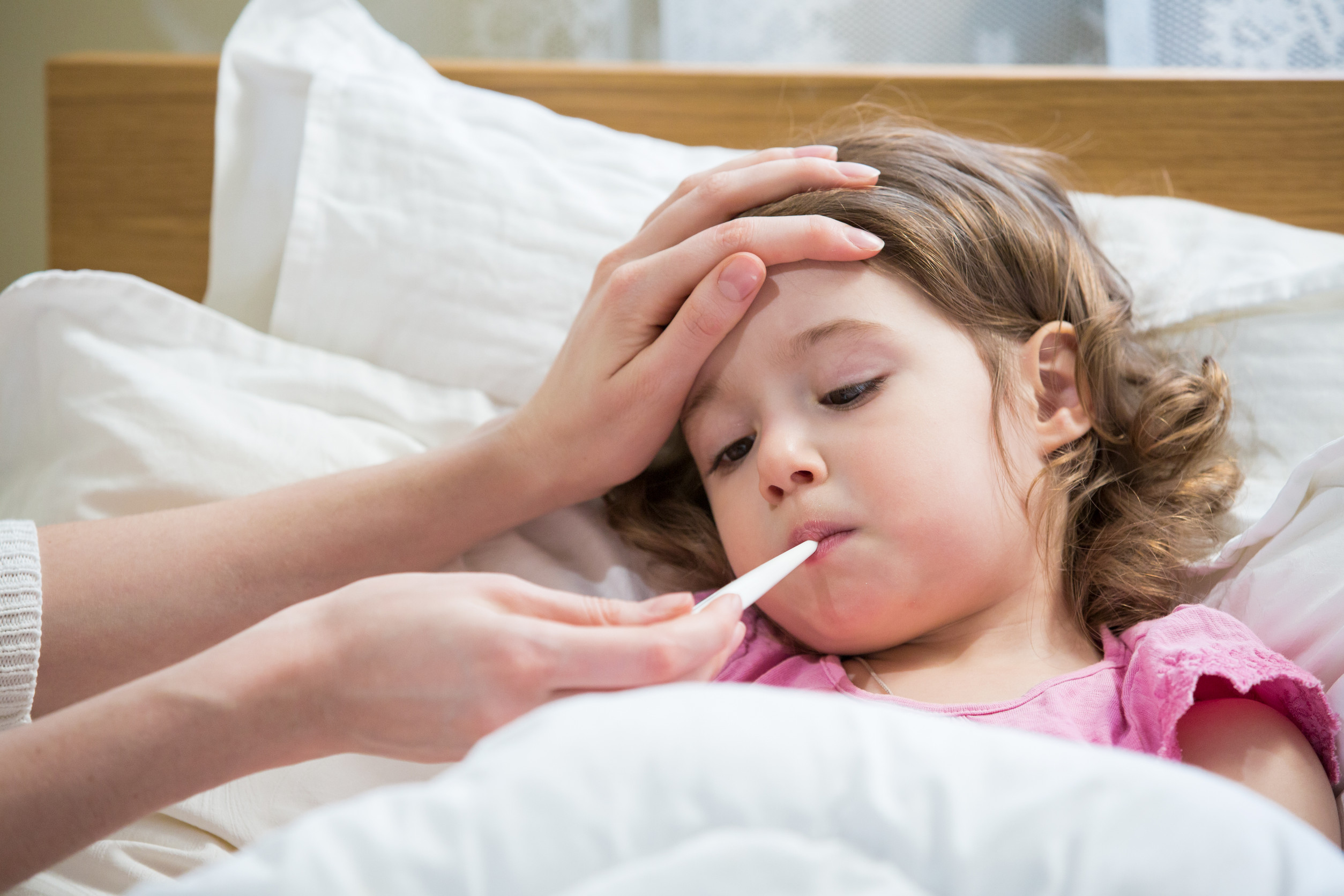
Every parent faces it eventually — that uncertain moment when your child complains about feeling sick, but something just doesn’t add up. Sometimes, children aren’t pretending out of mischief but because they’re overwhelmed, anxious, or seeking comfort. Emotional stress can manifest as physical symptoms, making it hard to know when a real problem lies beneath the surface. Learning how to spot when your child might be faking an illness for emotional reasons can help you respond with empathy while still teaching honesty and healthy coping skills.

1. Symptoms Disappear Quickly When Fun Is Involved
One of the easiest ways to identify when your child might be faking an illness is by noticing how symptoms come and go. If they claim to feel awful in the morning but suddenly perk up when something enjoyable is mentioned, emotional avoidance may be at play. Kids often use “being sick” to escape stressful or unwanted situations like school presentations or social interactions. This doesn’t mean they’re manipulative; it often signals anxiety. Pay attention to patterns rather than isolated moments to see what’s really driving their behavior.
2. The Illness Appears Around Stressful Events
Children sometimes begin faking an illness before exams, sports games, or big transitions. Emotional stress can make them feel physically uncomfortable, leading to genuine complaints of headaches or stomachaches. However, when these symptoms align perfectly with upcoming stressful situations, it may suggest avoidance. Parents can gently ask what worries them about the event rather than dismissing the sickness. Creating a safe space for conversation often reveals emotional roots that need support rather than medicine.
3. There’s No Physical Evidence of Illness
When faking an illness for emotional reasons, children often describe symptoms that are difficult to verify, such as vague pain or dizziness. If there’s no fever, visible discomfort, or other objective signs, emotional distress could be the true source. This doesn’t mean they aren’t suffering; emotional pain can feel just as real. Avoid accusing them outright, but instead say, “I wonder if something else might be making you feel this way.” This approach keeps communication open while acknowledging their feelings.
4. They Seem Anxious About School or Friends
Kids who are struggling socially or academically may turn to faking an illness as a coping mechanism. School can feel overwhelming, especially for sensitive children or those facing bullying. Avoidance becomes an emotional safety net. If your child frequently asks to stay home, talk about what’s happening in their classroom or peer group. Addressing the source of anxiety can reduce their need to escape through fake illnesses.
5. Symptoms Appear Suddenly and Without Warning
When a child is faking an illness, the symptoms often appear abruptly, especially right before a specific event they want to avoid. One minute they seem fine, and the next they’re “too sick” to go. This pattern can indicate an emotional trigger rather than a true infection or condition. Try keeping a simple journal of when these episodes occur to spot connections. Consistency in timing can reveal whether emotional stress is the real culprit.
6. They Don’t Show Physical Signs of Discomfort
When children are genuinely ill, they often look the part — tired eyes, flushed skin, or low energy. However, when they’re faking an illness, these physical cues are usually missing. They might claim to feel terrible but continue to act normally in other ways. Observing how they behave when they think you aren’t watching can offer insight. If their energy returns the moment attention shifts, the issue may be more emotional than medical.
7. They Express Relief When You Offer a Break
Children who are emotionally overwhelmed often use faking an illness to buy time to rest. If your child instantly calms down after you agree to let them stay home, it’s a strong indicator that stress relief — not sickness — was the goal. This doesn’t mean they’re lying maliciously; it means they need help managing emotions. Use this as a signal to discuss coping skills like deep breathing, journaling, or talking through worries. The goal isn’t punishment but understanding.
8. A Doctor Visit Brings No Diagnosis
If your child frequently claims to feel sick but medical professionals find nothing wrong, the issue could be emotional rather than physical. When a doctor clears them, it’s natural to feel frustrated, but this is often your cue to look deeper. Persistent but unexplained symptoms can signal anxiety, fear, or sadness. Work with your pediatrician to rule out underlying medical concerns while exploring emotional factors. Early support can prevent stress-related illnesses from becoming long-term patterns.
9. They Struggle to Describe What Hurts
When faking an illness for emotional reasons, kids may offer vague or inconsistent answers about what’s wrong. They might say their stomach hurts but can’t pinpoint where or when it started. Emotional discomfort is hard to articulate, especially for young children. Instead of pressing for details, focus on their emotional state: “You seem worried — can we talk about what’s bothering you?” Shifting the conversation from symptoms to feelings often opens the door to the real issue.
10. Emotional Ups and Downs Mirror Their “Illness”
Sometimes, emotional turbulence and physical complaints go hand in hand. When your child’s mood improves, the “illness” often fades too. These ups and downs suggest that their feelings are driving the symptoms. Teaching emotional awareness — like labeling feelings and expressing needs — can reduce the need for fake illnesses. Over time, children learn that honesty about emotions leads to care and support without needing to pretend.
Helping Kids Heal Beyond the Symptoms
Faking an illness can be a child’s quiet cry for help. Instead of focusing solely on catching them in a lie, aim to understand what’s fueling their stress. By building trust, validating feelings, and teaching healthy coping skills, parents can replace avoidance with resilience. When kids feel heard and supported, the need to fake illness often fades — replaced by open communication and emotional growth.
Have you ever suspected your child was faking an illness for emotional reasons? How did you handle it? Share your experiences below!
What to Read Next…
Are You Covered? 6 Urgent Updates To Your Child’s Health Records
Don’t Ignore This: 7 Health Symptoms That Demand Immediate Attention In Kids
The “Harmless” Habit: 7 Health Habits Shortening Childhood For Many
What If They’re Not Fine? 4 Critical Questions To Ask Your Child’s Mental Health Professional
Are You Missing It? 7 Health Warnings Your Child’s Behavior Gives You
The post 10 Ways to Tell If Your Child Is Faking an Illness for Emotional Reasons appeared first on Kids Ain't Cheap.