Get all your news in one place.
100's of premium titles.
One app.
Start reading
Saving Advice
Saving Advice
Amanda Blankenship

10 Toll-Text and Amazon Scams Exploding in 2026

toll-text and Amazon scams
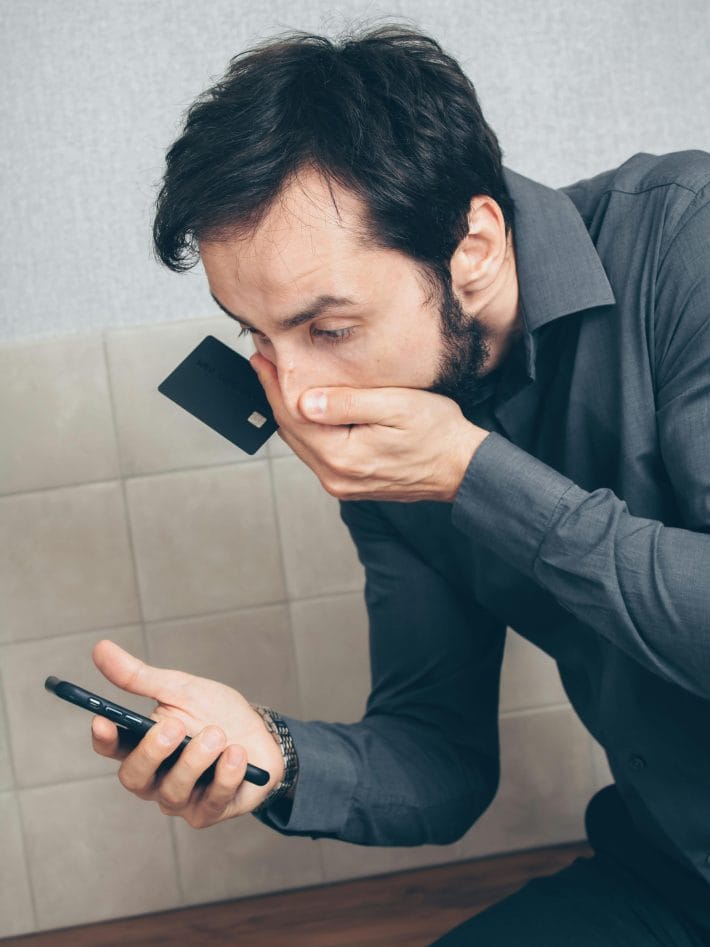
Man in shock discovering possible fraud or data breach with smartphone and credit card – Pexels

Americans are being bombarded with scam texts at a pace that cybersecurity experts say has become nearly impossible to ignore. From fake toll payment alerts to convincing Amazon account warnings, scammers are using fear, urgency, and realistic-looking websites to trick people into handing over personal and financial information. Older adults are being heavily targeted because many rely on text alerts for deliveries, banking, and account notifications. The Federal Trade Commission and FBI have both issued warnings about the massive increase in “smishing” attacks, which are phishing scams delivered through text messages instead of email. Here are 10 toll-text and Amazon scams that are exploding right now.
1. Fake Toll Payment Texts Are Everywhere

One of the fastest-growing scam trends involves fake toll payment alerts sent directly to smartphones. These texts often claim drivers owe small balances like $3.95 or $7.40 and threaten late fees, suspended registrations, or legal action if payment is not made immediately. The links typically lead to fake websites designed to steal credit card information and personal details. Consumer Reports recently stated that virtually every toll-payment text demanding immediate payment is fraudulent right now. Even people who never drive on toll roads are receiving these messages because scammers blast them randomly to thousands of phones at once.

2. Amazon “Problem With Your Order” Texts Are Fooling Shoppers

Amazon-related scams have exploded as online shopping continues dominating consumer spending habits. Scammers send fake alerts claiming there is a problem with a recent Amazon purchase, delivery, or account login. Many of the texts include realistic-looking order numbers and cloned Amazon logos that make the messages appear legitimate. Victims who click the links are often redirected to fake login pages where scammers steal Amazon passwords and payment information. Amazon itself recently warned customers about a growing wave of fake recall notices and account verification texts circulating nationwide.

3. USPS Delivery Text Scams Keep Evolving

Fake USPS delivery notifications remain one of the most effective scam tactics because millions of Americans are constantly waiting for packages. These messages usually claim a package cannot be delivered due to an address problem or an unpaid shipping fee. Victims are pressured to click links and “verify” information to release the shipment. The United States Postal Inspection Service warns that USPS does not send unsolicited texts unless customers specifically sign up for tracking alerts. Cybersecurity experts say these scams often install malware or steal banking information once victims interact with the fake websites.

4. Scammers Are Using AI to Sound More Convincing

Artificial intelligence is making scam texts significantly harder to spot in 2026. Older scam messages were filled with grammatical mistakes and awkward phrasing, but many new scams now read like professionally written customer service alerts. AI tools also allow scammers to personalize messages using leaked consumer data from previous breaches. Some texts now include real names, addresses, or partial account information to increase credibility. Security researchers warn that AI-generated phishing campaigns are becoming one of the biggest fraud threats facing consumers today.

5. ‘Reply Y to Activate Link’ Is a Major Red Flag

Many newer toll and package scams include unusual instructions telling recipients to reply “Y” or reopen the message to activate the payment link. Cybersecurity analysts say this tactic is designed to bypass smartphone spam filters and convince users the process is legitimate. Victims often assume the strange instructions are part of a security verification system rather than a scam technique. Reddit users discussing these scams say the messages are becoming increasingly aggressive and convincing. Experts say any unexpected payment request containing unusual activation instructions should immediately raise suspicion.

6. Scammers Want More Than Small Payments

Many victims mistakenly believe these scams are only about stealing a few dollars in fake toll charges or delivery fees. In reality, the small payment requests are often just bait to capture credit card numbers, passwords, addresses, and identity details. Once scammers collect enough information, they may attempt larger fraud schemes involving bank accounts or identity theft. Some phishing sites also quietly install malicious software onto phones or computers. Experts say the financial damage from these scams can continue long after the original text message is deleted.

7. Seniors Are Being Targeted Aggressively

Older adults are especially vulnerable because scammers know many retirees frequently order medications, household supplies, and gifts online. Seniors are also more likely to worry about missed bills, suspended accounts, or package delivery problems. Fraud experts say scammers intentionally create messages that trigger panic and urgency because emotional reactions lead to faster mistakes. Some older Americans have reported receiving dozens of toll or delivery scam texts every week. Consumer protection agencies continue urging seniors to slow down and independently verify any payment request before clicking links.

8. Fake Amazon Customer Service Calls Are Increasing Too

Many text scams now lead victims into phone-based fraud operations pretending to be Amazon customer support. After clicking a link, victims are often instructed to call a number to “secure” their account or stop suspicious purchases. Scammers posing as representatives then pressure victims into sharing banking details or downloading remote-access software onto computers. Some fraudsters even convince victims to move money into supposedly “safe” accounts controlled by criminals. Cybersecurity specialists say these hybrid text-and-phone scams are becoming increasingly sophisticated in 2026.

9. Official Logos and Real Agency Names Mean Nothing

One reason scam texts work so well is that criminals now use real company names, government agencies, and cloned websites. Fake texts frequently impersonate E-ZPass, FasTrak, USPS, Amazon, and even state DMVs. Many scam websites now closely resemble official portals, making quick visual checks less reliable than they once were. Experts recommend manually typing official websites into browsers instead of clicking text links directly. Even if a message looks completely authentic, unexpected payment demands should always be independently verified first.

10. Reporting Scam Texts Actually Helps

Many consumers simply delete scam texts without reporting them, but authorities say reporting is extremely important. The FTC recommends forwarding scam texts to 7726, which helps mobile carriers identify and block malicious campaigns. Consumers can also report fraudulent texts through ReportFraud.ftc.gov and other agency reporting systems. Toll agencies, USPS inspectors, and Amazon all encourage consumers to report impersonation scams quickly so investigators can track evolving patterns. Experts say widespread reporting helps slow scam campaigns before more victims lose money.

Why Scam Awareness Matters More Than Ever

Scammers are no longer relying on obvious spelling mistakes and fake princes asking for money overseas. Today’s fraud operations use AI, cloned websites, official logos, and realistic payment threats to target ordinary consumers through text messages every single day. Toll-text and Amazon scams are growing rapidly because they exploit common routines like driving, package deliveries, and online shopping. The safest approach is simple: never click links in unexpected texts, even when the message appears urgent or official. Taking an extra minute to verify information independently could save consumers from devastating financial and identity theft consequences.

Have you received one of these toll or Amazon scam texts recently? Share what happened and how you handled it in the comments below.

What to Read Next

Scamming Seniors: 10 Procedures Older Patients Are Pressured Into

4 Dating Apps That Are Causing More Scams to Seniors Than Helping Them Find Love

Medicare Fraud Alert: The ‘New Number’ Phone Scam Targeting Seniors After Recent CMS Data-Breach Headlines

Sign up to read this article
Read news from 100's of titles, curated specifically for you.
Already a member? Sign in here
Related Stories
Top stories on inkl right now
One subscription that gives you access to news from hundreds of sites
Already a member? Sign in here
Our Picks
Fourteen days free
Download the app
One app. One membership.
100+ trusted global sources.