Get all your news in one place.
100’s of premium titles.
One app.
Start reading
Everybody Loves Your Money
Brandon Marcus

10 Times Local Police Don’t Need a Warrant Anymore

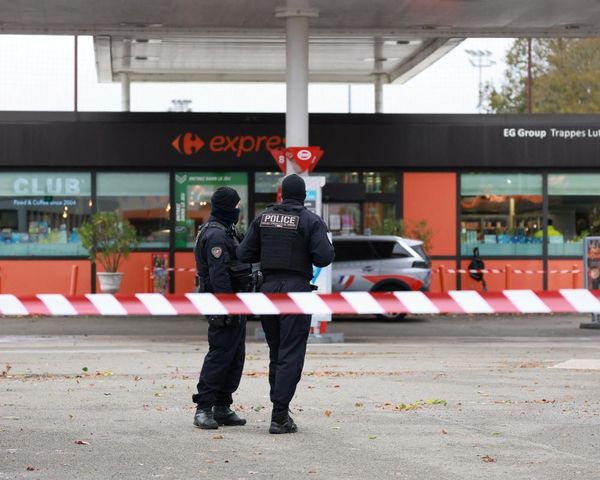
Image Source: 123rf.com

When people think of police searches, they imagine a judge signing off on a warrant with a big official stamp. But the truth is, law enforcement doesn’t always need one to act. Thanks to court rulings, exceptions, and long-standing legal carve-outs, police can legally bypass a warrant in surprising ways. These moments aren’t loopholes—they’re built into the system. And knowing them keeps the balance of power clear and the rights of citizens in check.

1. When Evidence Might Vanish

If officers believe evidence is about to be destroyed, waiting for paperwork isn’t required. Think of a suspect scrambling to flush drugs or delete files—the law allows immediate action. Courts call this the “exigent circumstances” rule, and it’s used often in high-stakes situations. The priority is preventing valuable evidence from slipping away before it can be secured. Quick action here is considered legally reasonable.

2. Searches During Arrests

Anytime police make a lawful arrest, they can search the person and the immediate area around them. The idea is officer safety first, evidence second. Weapons can be grabbed, and incriminating items within reach can be seized without delay. This is known as a “search incident to arrest.” It ensures officers aren’t left vulnerable during tense, unpredictable moments.

3. Plain View Counts

If something illegal is clearly visible, officers don’t need a warrant to act on it. A bag of drugs sitting on a car seat or a weapon left out in the open is fair game. The “plain view doctrine” means no one can hide behind privacy when evidence is in plain sight. Officers must be lawfully present in the area to make this stick. Once spotted, the evidence can be seized immediately.

4. Hot Pursuit Makes the Rules Flexible

Chasing a suspect changes the game entirely. If someone bolts into a house while being pursued, police can follow without a warrant. Courts recognize that delaying would let suspects escape or destroy evidence. This principle is known as “hot pursuit.” It gives officers leeway when a chase is in motion.

5. Vehicle Searches on the Spot

Cars are mobile, and that mobility shifts the rules. If police have probable cause, they can search a vehicle without waiting for a warrant. This exception exists because cars can drive off before the paperwork can be secured. Hidden compartments, trunks, or glove boxes are all within reach. The law calls this the “automobile exception,” and it’s been upheld for decades.

6. Consent Is a Green Light

When someone gives police permission to search, no warrant is necessary. This consent must be voluntary, but once given, officers are clear to proceed. Saying yes means waiving the right to resist a search later. Many people don’t realize how powerful this choice is. A simple “okay” opens doors that normally stay closed.

7. Stop and Frisk for Safety

If police reasonably suspect someone is armed and dangerous, they can pat them down without a warrant. This limited search focuses only on finding weapons, not general evidence. Known as a “Terry stop,” it’s meant to protect officers and bystanders from harm. The threshold is reasonable suspicion, not full probable cause. It’s a narrow but critical safety tool.

8. Public Safety Emergencies

In urgent situations where public safety is at risk, officers can act immediately. Think active shooters, bomb threats, or other life-threatening emergencies. The law places saving lives above securing paperwork. In these moments, warrants are simply impractical. Fast response takes precedence over formalities.

9. Border and Airport Searches

Crossing borders or stepping into airports comes with fewer privacy protections. Luggage, vehicles, and even personal devices can be inspected without warrants. This is done to protect national security and enforce customs laws. Courts have consistently upheld this authority. The expectation of privacy is lowest in these controlled zones.

Image Source: 123rf.com

10. Probation and Parole Conditions

People on probation or parole live under stricter rules than others. They often agree to warrantless searches as part of their release terms. This means officers can check homes, cars, or belongings without the usual legal steps. Courts see it as a trade-off for avoiding full incarceration. The rights of supervision override the standard warrant process.

Knowing the Exceptions

Warrants remain a cornerstone of legal protection, but the exceptions prove just as important. From hot pursuits to consent searches, these carve-outs give officers flexibility in fast-moving situations. They also remind citizens of the fine print in their rights. Understanding the rules makes both sides more accountable.

Which of these surprised you most? Share your thoughts or drop a comment below.

Read More

Doing These 5 Things When You Enter A Store Can Get You Arrested

8 Unexpected Items Police Can Seize From a Deceased Person’s Home

The post 10 Times Local Police Don’t Need a Warrant Anymore appeared first on Everybody Loves Your Money.

Sign up to read this article
Read news from 100’s of titles, curated specifically for you.
Already a member? Sign in here
Related Stories
Top stories on inkl right now
One subscription that gives you access to news from hundreds of sites
Already a member? Sign in here
Our Picks
Fourteen days free
Download the app
One app. One membership.
100+ trusted global sources.