We are taught from a young age to be independent. We want to be self-sufficient, capable, and reliant on no one. And for the most part, that is a beautiful thing. It protects us. But there is a tipping point where healthy independence morphs into hyper-independence, and suddenly, your greatest asset becomes your biggest stumbling block.
When you are so used to doing it all yourself, you build walls that keep help out. You might think you are being strong, but you are actually making your life harder than it needs to be. Here are the moments when your refusal to lean on others stops serving you.
Refusing Help When You Are Sick
You have a fever of 102, yet you are still trying to do the laundry and drive yourself to the pharmacy. Refusing a friend’s offer to bring soup isn’t noble; it is stubborn. Your independence is delaying your recovery because you won’t rest.
The “I’ll Do It Myself” Burnout
Delegating takes time, so you just do it yourself. It seems faster in the moment. But over time, this habit accumulates. You end up drowning in tasks that others could have handled, leaving you with no energy for the things that actually matter.
Pushing Partners Away
In relationships, hyper-independence can feel like rejection to your partner. If you never let them support you, they feel useless. Intimacy is built on shared vulnerability. By handling everything alone, you are denying your partner the chance to be there for you.
Isolation in Crisis
When tragedy strikes—a layoff, a breakup, a death—your instinct is to retreat and lick your wounds in private. You don’t want to “burden” anyone. But this isolation amplifies the pain. Independence in grief is a recipe for depression.
Financial Stubbornness
You are drowning in unexpected bills, but you would rather starve than ask your parents or a friend for a temporary loan. There is a difference between being irresponsible and needing a lifeline. Your pride shouldn’t cost you your peace of mind.
Inability to Receive Compliments
When someone praises you, you deflect. You minimize your achievements because you are uncomfortable with the attention. This stems from a belief that you must be humble to survive, but it prevents you from soaking in the love you have earned.
DIY Disasters
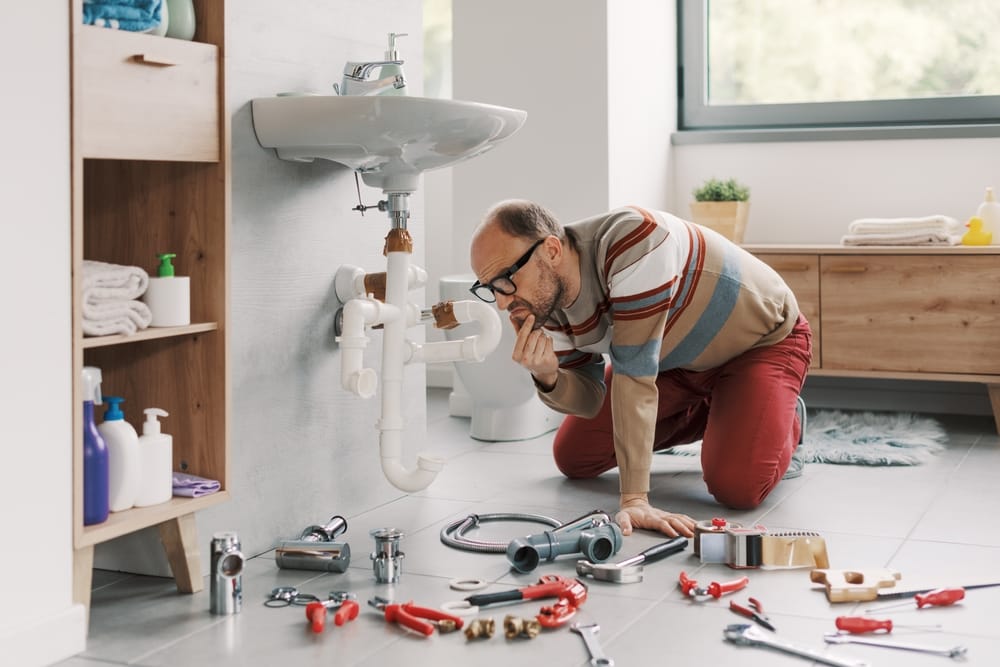
You try to fix the plumbing or wire a light fixture because you don’t want to call a professional. Sometimes, independence costs more money in the long run when you have to pay someone to fix your mistakes.
Not Networking
You want to get the job on your own merit, so you don’t reach out to contacts. But the world runs on connections. refusing to use your network isn’t integrity; it is a missed opportunity.
Emotional Bottling
You process everything internally. You analyze, overthink, and resolve your own feelings without ever venting. Eventually, the bottle explodes. We are social creatures; we need to vocalize our stress to release it.
Re-learning Interdependence
Real maturity is moving from independence to interdependence. It is knowing you *can* do it alone, but choosing to do it with others because life is richer that way.
Do you struggle with asking for help even when you really need it? Let’s talk about hyper-independence in the comments.
What to Read Next…
- 7 Ways to Support a Partner Who Is Struggling With Anxiety
- 10 Silent Signs Your Husband Is Secretly Struggling With Loneliness
- 7 Silent Signs Your Teen Is Struggling With Anxiety
- 10 Habits That Are Secretly Fueling Your Depression
- 7 Ways to Spot Depression in Someone Who Is Good at Hiding It
The post 10 Times Independence Became a Liability Instead of a Strength appeared first on Budget and the Bees.