Get all your news in one place.
100’s of premium titles.
One app.
Start reading
Budget and the Bees
Budget and the Bees
Latrice Perez

10 Things Emergency Officials Say People Still Get Wrong

10 Things Emergency Officials Say People Still Get Wrong
Image source: shutterstock.com

We all like to think we would be the hero in a crisis. We imagine staying calm and knowing exactly what to do. However, when adrenaline hits and the power goes out, “common sense” often leads us into dangerous traps.

Emergency responders see the same mistakes repeatedly. Many of them are rooted in old wives’ tales or outdated advice. These errors do more than slow down rescue efforts. They put lives at risk. Today, we are exposing 10 things emergency officials say people still get wrong.
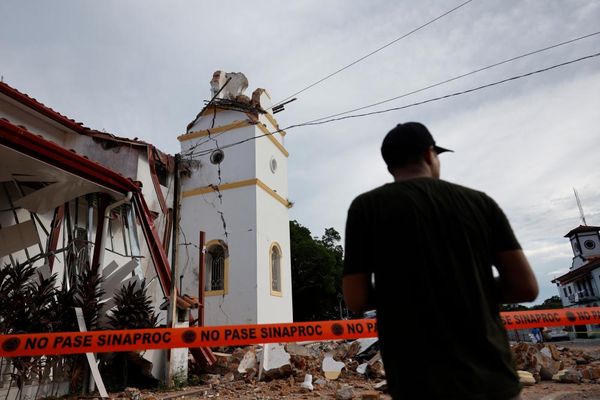
1. The Myth of the “Triangle of Life”

For years, an email chain suggested standing next to large furniture during an earthquake. People believed this created a “triangle of life.” Officials want you to know this is dangerously wrong.

Standing next to a heavy object is a great way to get crushed when it tips over. Instead, the modern standard is “Drop, Cover, and Hold On.” Most earthquake injuries come from falling debris. Therefore, getting under a sturdy table remains your absolute best bet for survival.

2. Sipping the Floodwater

In a storm’s aftermath, people think clear-looking water is safe to use. Surprisingly, floodwater is essentially a chemical and biological soup. It contains raw sewage, leaked gasoline, and industrial chemicals.

Even boiling it fails to remove heavy metals or toxic sludge. If you lack bottled water, you are in a high-risk situation. Emergency officials emphasize that skin contact with floodwater causes severe infections. These are incredibly difficult to treat in a disaster zone.

3. The Generator Death Trap

When the lights go out, many people immediately fire up a portable generator. However, far too many people keep them in a garage or near an open window. Carbon monoxide is a silent killer for a reason.

You cannot smell, see, or taste it. This mistake causes some of the most preventable deaths during winter storms. You must keep a generator at least 20 feet away from the house. There is no such thing as ventilating a garage enough to make it safe.

4. Opening Windows During a Tornado

An old myth suggests opening windows during a tornado to “equalize pressure.” People think this prevents the house from exploding. This is a total fabrication. In reality, it makes your home more likely to be destroyed.

By opening a window, you allow high-speed winds to enter the structure. These winds can lift the roof from the inside out. Keep your windows closed. Instead, get to the lowest, most central room in the building.

5. The “Half-Tank” Rule for Your Vehicle

Most people wait for the “low fuel” light before visiting a gas station. In an emergency, that light becomes a major liability. When a mandatory evacuation occurs, gas stations run out of fuel within hours.

Furthermore, traffic jams can turn a short drive into a ten-hour crawl. If you idle in traffic with an empty tank, you become a roadblock. Officials recommend never letting your tank drop below half during storm seasons. This simple habit ensures you have the range to reach safety.

6. Sucking Venom from a Snakebite

Movies often show people sucking venom out of a wound. However, this is one of the worst things you can do. Using your mouth introduces bacteria to the wound.

It also risks the “rescuer” getting poisoned through small cuts in the mouth. Modern medical advice says to keep the limb still and below heart level. You should call 911 immediately. Do not use tourniquets or ice. These methods often lead to more tissue damage.

7. Putting Butter on a Burn

The “butter on a burn” myth persists despite decades of warnings. Butter and oils trap heat in the skin. This actually makes the burn worse and promotes infection.

Instead, run cool (not cold) tap water over the area for at least ten minutes. If the burn is severe, cover it with a clean, dry cloth. Afterward, seek professional medical attention. Avoid using ice directly on a burn, as it can damage the tissue further.

8. Driving Through Standing Water

Drivers often think their SUV can handle a large puddle on the road. Yet, it only takes six inches of water to reach the bottom of most passenger cars. This can cause loss of control or stalling.

Two feet of rushing water will carry away most vehicles, including trucks. If you cannot see the road markings, do not drive through. “Turn Around, Don’t Drown” is a slogan that saves lives every single year.

9. Sheltering Under an Overpass

During a tornado, people often park their cars under highway overpasses. They believe the concrete structure provides a shield. In truth, an overpass acts like a wind tunnel.

It increases the wind speed and creates a vacuum that can pull you out. Flying debris also tends to collect in these areas. If you are stuck on the road, find a low-lying ditch. Lay flat and cover your head with your hands.

10. Thinking Your Cell Phone Is a Safety Net

We rely on our phones for everything. However, cell towers often fail during major disasters. People frequently wait too long to evacuate because they expect an alert on their phone. When the grid goes down, that alert may never come. Officials urge you to own a battery-powered or hand-crank weather radio. These devices provide critical updates when cellular networks are overloaded or destroyed.

True preparation is about unlearning the myths that keep us in danger. By focusing on these 10 things emergency officials say people still get wrong, you separate yourself from the panicked crowd.

Take the time to update your kits and talk to your family. Trust the pros over the social media experts. Which of these emergency myths did you grow up believing? Please share your story in the comments below to help warn others.

What to Read Next…

The post 10 Things Emergency Officials Say People Still Get Wrong appeared first on Budget and the Bees.

Sign up to read this article
Read news from 100’s of titles, curated specifically for you.
Already a member? Sign in here
Related Stories
Top stories on inkl right now
One subscription that gives you access to news from hundreds of sites
Already a member? Sign in here
Our Picks
Fourteen days free
Download the app
One app. One membership.
100+ trusted global sources.