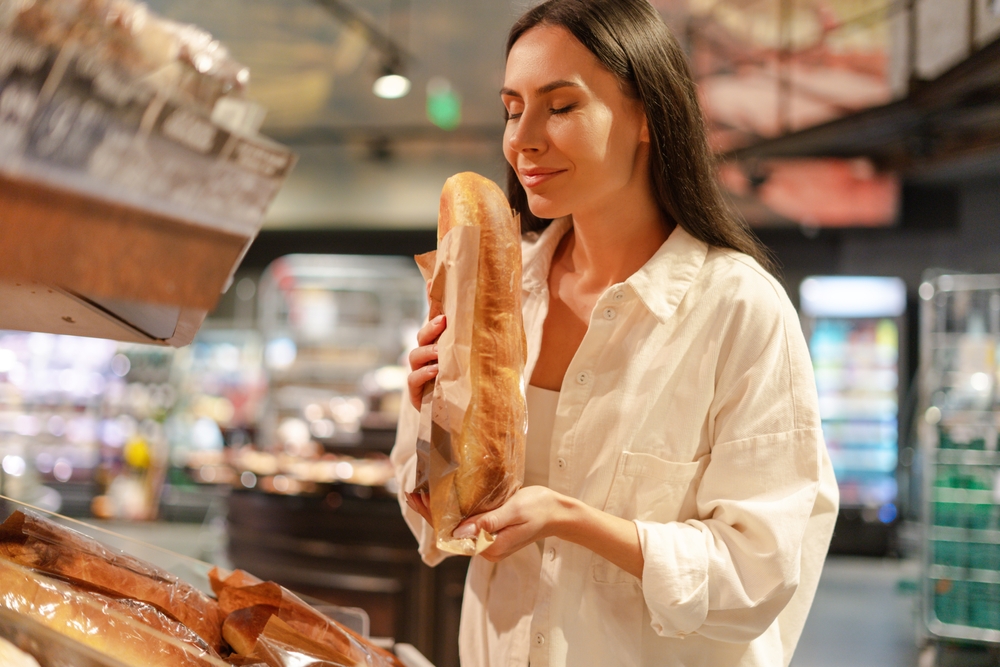
Have you ever walked into a grocery store and instantly felt hungry, even if you just ate? That’s no coincidence. Retailers carefully use store smells to trigger your appetite, emotions, and memories, making you more likely to spend money. The scent of fresh bread, coffee, or roasted chicken isn’t just pleasant—it’s part of a deliberate sales strategy. Once you understand how these aromas are used, you can shop smarter, resist impulse buys, and stay focused on your grocery budget.

1. The Irresistible Bread Aroma
One of the most common and effective store smells is fresh-baked bread. Many grocery stores bake bread near the entrance so the scent hits you the moment you walk in. This smell evokes feelings of comfort, warmth, and home-cooked meals, which encourages shoppers to linger longer. The longer you browse, the more likely you are to add extra items to your cart. Even if you don’t buy bread, that mouthwatering aroma primes your brain to crave more food in general.
2. The Freshly Brewed Coffee Scent
Few aromas can compete with the cozy allure of freshly brewed coffee. Coffee’s rich aroma stimulates alertness while creating a sense of comfort and indulgence. Many grocery chains position in-store cafes near entrances or produce sections to entice customers. That inviting scent can subconsciously convince you to buy not only coffee but also pastries, creamers, or sweet treats. Even if you skip the drink, the smell often leads to small splurges throughout the store.
3. The Sweet Bakery Temptation
Cookies, muffins, and cakes aren’t just baked for display—they’re scent-based sales tools. Sweet bakery store smells activate pleasure centers in your brain, making you feel rewarded and relaxed. The mix of sugar and vanilla encourages impulse buying, especially when paired with product samples. It’s why bakeries are often located near checkout areas or along main aisles. The scent keeps your cravings active until you make it to the register.
4. The Rotisserie Chicken Effect
That savory roasted chicken smell lingering near the deli section is a marketing masterstroke. The aroma triggers hunger instantly, even in shoppers who weren’t planning to buy dinner. Rotisserie chicken aromas are intentionally strong and travel far, ensuring everyone in the store gets a whiff. By the time you reach the back aisles, your appetite is already activated. It’s a clever tactic that makes you more likely to purchase quick meals or snacks.
5. The Fresh Produce Aroma
The crisp, natural scent of fresh fruits and vegetables is one of the subtler store smells that plays on your senses. Grocery stores often use misting systems to enhance freshness, which helps release a clean, appealing fragrance. This smell communicates health and vitality, encouraging shoppers to feel good about buying more produce. Interestingly, that “fresh” scent also gives shoppers psychological permission to balance their carts with indulgent items later. It’s part of a larger emotional cycle of reward and balance.
6. The Floral Section Fragrance
Placing floral sections near the store entrance isn’t just for aesthetics—it’s scent strategy. Flowers release natural scents that set a positive tone for shoppers, creating an impression of cleanliness and quality. The fragrance reduces stress and promotes calm, which leads to longer shopping times. As a result, customers tend to browse more and make additional purchases. Even if you don’t buy flowers, that first impression can shape your overall spending mood.
7. The Buttery Popcorn Trick
Some larger stores or warehouse retailers use popcorn machines to create a nostalgic, feel-good environment. Popcorn’s buttery scent reminds people of movie nights and fun memories, putting them in a relaxed, happy mood. This positive emotion makes shoppers less price-conscious and more open to buying extras. It’s a gentle manipulation that relies on familiarity rather than hunger. These store smells work so well because they connect directly to joyful experiences.
8. The Pizza and Pretzel Temptation
When grocery stores have nearby food courts or snack kiosks, the air fills with irresistible pizza and pretzel scents. These savory aromas make you crave comfort foods immediately. Even if you don’t stop for a slice, the scent can influence your grocery selections—encouraging you to grab frozen pizza, cheese, or salty snacks. The scent of baked dough and melted cheese is intentionally placed near entrances or along major aisles. It keeps your appetite and spending in sync.
9. The Sweet Chocolate and Caramel Combo
Stores often diffuse subtle chocolate or caramel scents near coffee stations or specialty aisles. These store smells create a sense of indulgence and luxury, prompting impulse buys like premium desserts or candy. Chocolate scents also increase dopamine, which boosts mood and makes spending feel more satisfying. It’s one reason dessert aisles often feel “welcoming” even before you notice what’s on the shelves. The goal is to make you associate shopping with pleasure rather than necessity.
10. The Clean and Fresh Scent Illusion
Not all scent marketing involves food. Many grocery stores use neutral “fresh” smells, like linen or citrus, to create an impression of cleanliness. Shoppers tend to associate clean environments with higher-quality food, which builds trust and encourages repeat visits. Even though these scents don’t trigger hunger, they still influence spending by increasing confidence in product safety and freshness. The result is a more relaxed shopper who feels good about buying more.
Smelling the Tricks Behind the Taste
Once you start noticing these scent-based strategies, you’ll never look at grocery shopping the same way again. Store smells are powerful psychological tools that use nostalgia, comfort, and appetite to nudge your behavior. But awareness gives you control—so next time you shop, pause before reacting to what you smell. If you stick to your list and avoid hunger-driven decisions, you’ll keep your budget intact. Your nose might lead you toward temptation, but your wallet will thank you for paying attention.
Have you ever caught yourself buying something just because of how good it smelled in the store? Share your experience in the comments!
What to Read Next…
- 8 Shoppers’ Psychology Secrets Retailers Exploit Daily
- 9 Tricks Retailers Use to Make You Spend More Per Trip
- Supermarket Psychology: How Color, Music, and Smell Trick You
- 12 Cart Placement Tricks That Boost Spending
- Store Psychology: How “Dead-End” Aisles Force You to Consider New Products
The post 10 Store Smells That Are Designed to Make You Buy More Food appeared first on Grocery Coupon Guide.