
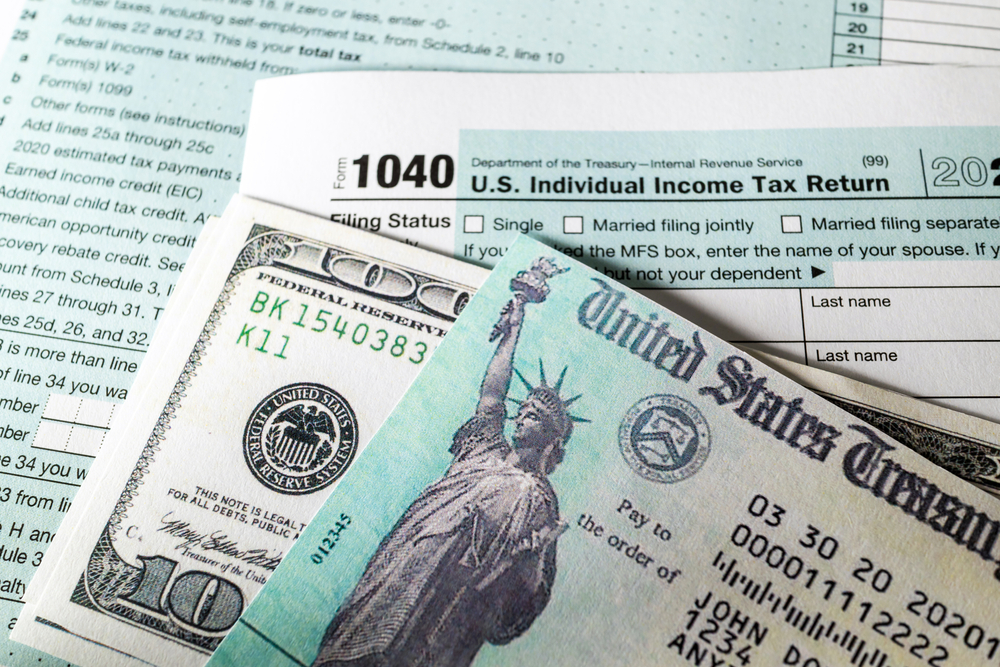
State governments are rolling out new income tax adjustments, and retirees are among the groups most affected. These changes range from updated thresholds to new exemptions and revised treatment of retirement income. While some adjustments may provide relief, others could increase liabilities, especially for those living on fixed incomes. Retirees must pay close attention to these updates to avoid surprises when filing returns. Here are 10 state income tax adjustments that deserve careful review this year.

1. New Thresholds for Retirement Income Taxation
Several states are updating the income thresholds that determine whether retirement income is taxable. For retirees who rely on pensions, annuities, or Social Security, these changes can alter the amount owed. A small increase in benefits due to cost-of-living adjustments may push some households into taxable territory. Seniors who previously avoided taxation may now find themselves filing more complex returns. Reviewing state-specific thresholds is essential to avoid unexpected bills.
2. Expanded Exemptions for Social Security
A handful of states are expanding exemptions for Social Security benefits, reducing the taxable portion for retirees. This adjustment provides relief for households that depend heavily on Social Security checks. However, the rules vary widely, with some states offering full exemptions and others applying partial reductions. Retirees must confirm how their state calculates exemptions to maximize savings. Failing to understand these changes could mean paying more than necessary.
3. Revised Treatment of Pension Income
States are also revising how pension income is taxed, with some offering new deductions or credits. For retirees with large pension distributions, this can significantly reduce liabilities. Others may face stricter rules that increase taxable amounts. Pension adjustments often depend on residency status, meaning retirees who move across state lines may encounter different rules. Careful planning is required to avoid surprises when relocating.
4. Changes in Annuity Taxation
Annuities are another area of focus, with states adjusting how distributions are taxed. Some are aligning with federal rules, while others are introducing unique formulas. Retirees who rely on annuities for steady income must understand how these changes affect their bottom line. Misinterpreting annuity taxation can lead to underpayment or penalties. Consulting with tax professionals is advisable to navigate these complex rules.
5. Updates to IRA and 401(k) Withdrawals
Withdrawals from IRAs and 401(k)s are being treated differently in some states, with new deductions or credits available. These adjustments can benefit retirees who strategically plan withdrawals to minimize taxes. However, states may also impose stricter reporting requirements, increasing paperwork. Retirees must balance withdrawal strategies with state-specific rules to optimize outcomes. Ignoring these updates could result in higher liabilities.
6. Adjustments to Standard Deductions
Several states are revising standard deductions, which directly affect retirees’ taxable income. Higher deductions can reduce liabilities, while lower ones increase them. Seniors must confirm whether their state has updated deduction amounts for 2025. Even small changes can significantly impact households living on fixed incomes. Reviewing deduction updates ensures retirees don’t miss out on potential savings.
7. New Credits for Senior Households
Some states are introducing new tax credits specifically for senior households. These credits may apply to property taxes, healthcare expenses, or caregiving costs. Retirees should explore eligibility to take advantage of these benefits. Credits can provide meaningful relief, especially during winter months when expenses rise. Missing out on available credits means leaving money on the table.
8. Stricter Residency Requirements
Residency rules are tightening in certain states, affecting retirees who split time between multiple locations. Stricter requirements may force seniors to pay taxes in states they previously avoided. This adjustment complicates planning for snowbirds who migrate seasonally. Retirees must carefully document residency to avoid double taxation. Understanding new residency rules is critical for financial stability.
9. Changes in Healthcare Expense Deductions
Healthcare expense deductions are being revised in some states, altering how retirees can claim medical costs. Higher thresholds may reduce eligibility, while expanded categories may increase it. Seniors with significant healthcare expenses must confirm how their state calculates deductions. These changes directly affect households managing chronic conditions or high medical bills. Proper documentation is essential to maximize deductions.
10. Updates to Estate and Inheritance Taxes
Finally, estate and inheritance taxes are being adjusted in several states. Retirees planning to pass assets to heirs must understand how these changes affect their legacy. Higher exemptions may reduce liabilities, while stricter rules may increase them. Estate planning strategies must be updated to reflect new state laws. Ignoring these adjustments can create burdens for surviving family members.
Taking Proactive Measures
Experts recommend reviewing state tax statements carefully, consulting with professionals, and exploring credits or deductions. Retirees should also consider relocation strategies if state rules become too burdensome. Staying informed about policy changes helps seniors adapt to evolving tax landscapes.
State income tax adjustments may seem technical, but they directly affect retirees’ financial stability. Thresholds, exemptions, deductions, and credits all shape household budgets. Retirees must remain vigilant, review rules carefully, and adapt strategies accordingly. Taxes are evolving, and seniors must evolve with them to protect their financial security.
Have you noticed changes in your state’s income tax rules this year? Leave a comment below to share your experience — your feedback can help other retirees prepare.
You May Also Like
- 7 Tax Reporting Changes Hitting Seniors Who Do Gig Work in January
- 6 Property Tax Surprises Hitting Retirees During Winter Assessments
- Retirement Savings Plans Facing New Tax Changes Next Year
- Urgent Action: Protect Your Heirs from the Coming Estate Tax Battle
- How Local Tax Assessors Quietly Inflate Your Property Value