
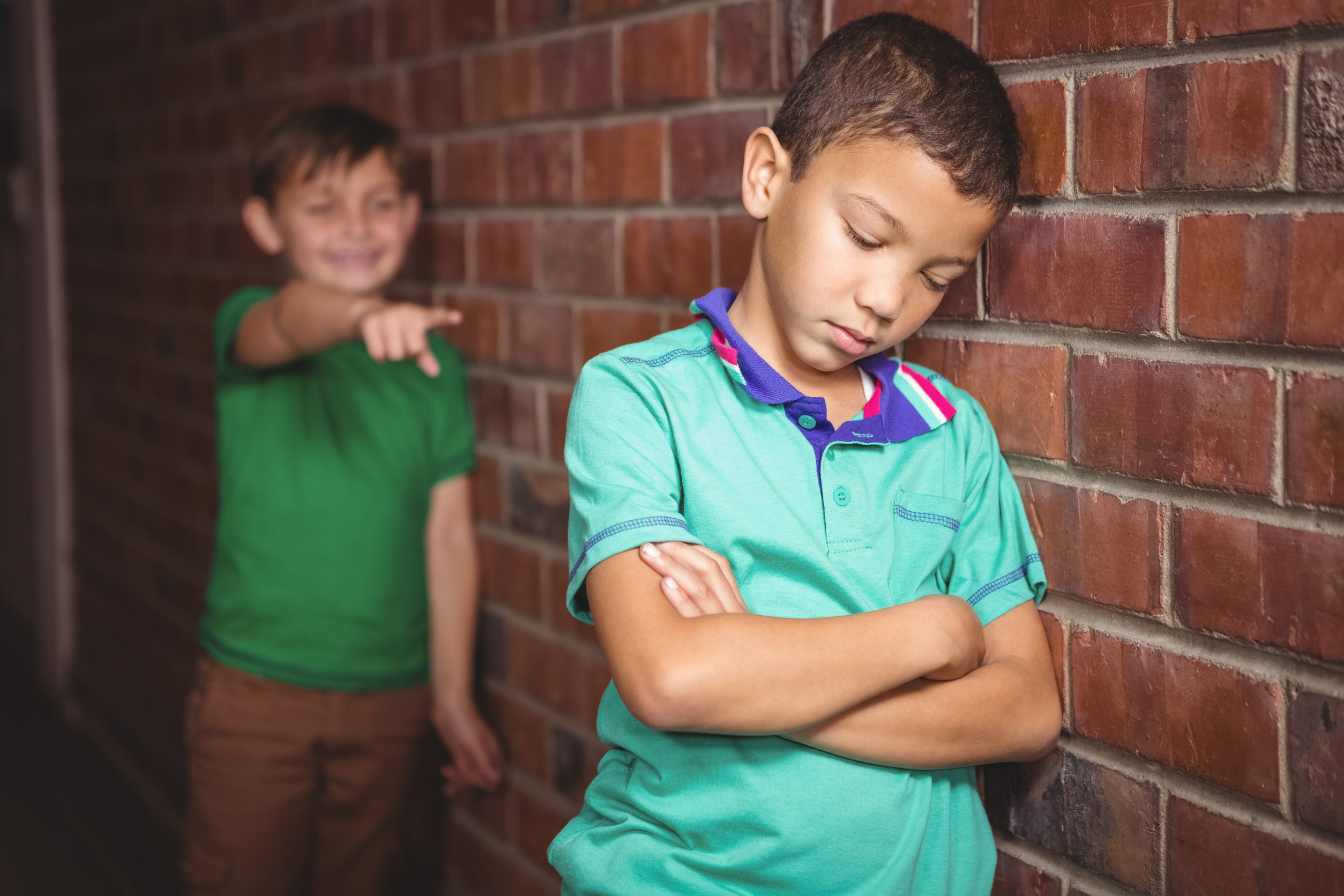
Friendships are supposed to bring joy, comfort, and support, but sometimes they can become harmful without parents noticing. When a child is quietly being bullied by a friend, the signs are often subtle and easy to dismiss as normal friendship ups and downs. These situations can be especially confusing for kids, because they want to maintain their social connections but may not understand that they are being mistreated. Parents who know what to look for can step in early and help protect their child’s emotional well-being. Recognizing these warning signs is the first step toward creating healthier, more supportive relationships.

1. Sudden Changes in Mood After Seeing a Friend
If your child comes home upset, withdrawn, or irritable after spending time with a friend, it could be more than simple tiredness. Frequent mood swings linked to certain social interactions may signal emotional harm. While occasional disagreements are normal, consistent sadness after playdates is a red flag. Pay attention to whether your child dreads upcoming meetups or expresses relief when plans are canceled. These shifts may indicate your child is quietly being bullied by a friend.
2. Loss of Confidence in Themselves
Bullying often chips away at a child’s self-esteem. You may notice your child suddenly questioning their abilities or putting themselves down more frequently. They might express doubt about talents they once enjoyed or stop trying activities they previously loved. Negative comments from a so-called friend can leave lasting impressions. This decline in confidence is a key sign your child is quietly being bullied by a friend.
3. Reluctance to Share Details About Time Together
Children normally enjoy talking about fun times with friends, but secrecy can signal that something is wrong. If your child avoids discussing what they did or becomes vague about their experiences, they might be protecting themselves from embarrassment or shame. This silence is often a coping mechanism when they don’t want to admit hurtful things were said or done. It’s especially concerning if your child once loved sharing stories about this friend. Their reluctance may be a sign your child is quietly being bullied by a friend.
4. Constant Apologizing Around the Friend
Pay attention if your child seems overly apologetic when spending time with a certain friend. Excessive apologies can mean they’ve been conditioned to feel responsible for everything, even minor accidents or misunderstandings. This behavior often develops when a friend uses guilt or criticism as control. Children who apologize too much may be trying to avoid conflict or further mistreatment. This is another subtle indicator that your child is quietly being bullied by a friend.
5. Declining Academic Performance
Bullying doesn’t just affect social life—it can spill into academics. If your child’s grades drop suddenly without other explanations, emotional stress may be interfering with their focus. Anxiety about friendship problems can consume mental energy, making it hard to concentrate in school. Teachers may notice the child seems distracted, anxious, or unusually quiet. This academic shift can be one of the signs your child is quietly being bullied by a friend.
6. Exclusion From Group Activities
Friends who bully often use exclusion as a tactic. If your child complains about not being invited to group events or consistently finds out about gatherings after the fact, this could be intentional isolation. Feeling left out can hurt more deeply when it comes from someone considered a close friend. Repeated exclusion is a form of social bullying that undermines confidence. Watch carefully for these patterns, as they may show your child is quietly being bullied by a friend.
7. Physical Complaints Before Seeing the Friend
Sometimes emotional stress shows up in physical ways. Children who dread spending time with a friend may suddenly complain of stomachaches, headaches, or fatigue right before scheduled meetups. These symptoms can be their body’s way of signaling distress. While kids sometimes avoid activities they dislike, consistent complaints connected to one person are concerning. This avoidance behavior often means your child is quietly being bullied by a friend.
8. Increased Dependence on Parents for Reassurance
Children who feel unsafe in friendships may cling more tightly to their parents. They might ask repeated questions about whether they are loved, valued, or “good enough.” This sudden increase in reassurance-seeking often comes from emotional harm caused by criticism or manipulation. Parents may notice their child needing more hugs, encouragement, or verbal affirmations than usual. These changes can indicate your child is quietly being bullied by a friend.
9. Frequent Arguments That Only Go One Way
It’s normal for kids to have occasional disagreements, but pay attention if your child always seems to be the one apologizing or compromising. If the friend never takes responsibility and your child always gives in, the power balance is unhealthy. These one-sided conflicts often wear down self-esteem and create long-term anxiety. A pattern of lopsided arguments can be a strong clue your child is quietly being bullied by a friend.
10. Hesitation to End the Friendship
Perhaps the most heartbreaking sign is when a child knows they’re being mistreated but still doesn’t want to walk away. They may fear losing social standing, being alone, or making things worse. This hesitation is common when the bullying comes from someone they trust deeply. Children often convince themselves they can fix the relationship if they just try harder. This internal conflict reveals how difficult it can be to see when a child is quietly being bullied by a friend.
Helping Children Build Healthier Friendships
Friendships should make children feel valued and supported, not anxious or small. When a child is quietly being bullied by a friend, it’s important for parents to listen carefully, validate their feelings, and step in with guidance. Teaching children about healthy boundaries and self-worth equips them to choose better relationships in the future. Open communication at home makes it easier for kids to share struggles before they escalate. By staying observant, parents can help their children break free from harmful friendships and find the support they deserve.
Have you ever spotted these subtle signs in your child’s friendships? Share your insights and advice with other parents in the comments below.
What to Read Next…
- 10 Kids’ TV Shows That May Be Reinforcing Bullying Behavior
- 8 Ways Children Are Hiding Cyberbullying From Adults
- Are Anti-Bullying Programs Making Kids Better or Just Sneakier?
- When Teasing Between Friends Becomes Bullying
- How to Handle Bullying in Schools and Online
The post 10 Signs Your Child Is Quietly Being Bullied by a Friend appeared first on Kids Ain't Cheap.