We like to believe we are in complete control of our grocery trips. We think we make rational choices based on need and price. But for most of us, that’s an illusion. Decades of sophisticated retail marketing have trained us, like Pavlov’s dogs, to respond to specific cues. Our carts fill up on autopilot, not just with what we need, but with what they want us to buy. Here are 10 common shopper behaviors that reveal you’ve been trained by marketing.

1. You Grab the Eye-Level Product
This is the most common and powerful “trained” behavior. You walk down the cereal aisle, and your hand automatically goes to the product sitting right at your eye level. This is not a coincidence. This is the most expensive, high-profit real estate in the entire store, and brands (especially the biggest ones) pay a premium to be there. The cheaper store brands and bulk items are almost always on the very top or bottom shelves, forcing you to crouch or stretch to save money.
2. You Use a Big Cart for a Small Trip
You only need milk and bread, but you grab a full-sized shopping cart. Marketers love this. A psychological phenomenon known as the “shopping cart effect” shows that we feel a subconscious urge to fill the space we’re pushing. The bigger the cart, the more you are unconsciously primed to buy. Grabbing that big cart makes you 40% more likely to buy more than you intended.
3. You Stop at Every Endcap
You see a giant, artfully-stacked display at the end of an aisle, and you automatically stop, assuming it’s a great sale. This is a trained response. While endcaps do feature sales, they are often just paid advertisements. Brands pay thousands to feature their product there, often at its regular, full price. They know you’ve been trained to see endcaps as “deal zones” and will grab the item without checking the price.
4. You Buy 10 Items for the “10 for $10” Sale
You see the big yellow sign for “10 Yogurts for $10!” and you obediently load ten yogurts into your cart. You’ve been trained to believe you must buy the full amount to get the deal. In over 90% of stores, this is just a marketing gimmick. The yogurt is just on sale for $1.00 each, whether you buy one or ten. The sign is designed to encourage over-buying.
5. You Trust “New & Improved” Labels
Your hand is drawn to the bright, flashy “New!” or “Now with 20% More!” label. This is a trained reaction to novelty. Often, the “new” product is trivially different—a slightly changed scent, a “new” flavor that’s almost identical, or a new box design. The “20% More” is often paired with a 20% price hike, canceling the deal. You’re trained to see the “new” label as an “upgrade” when it’s just a new ad.
6. You Buy Name-Brand Medicine
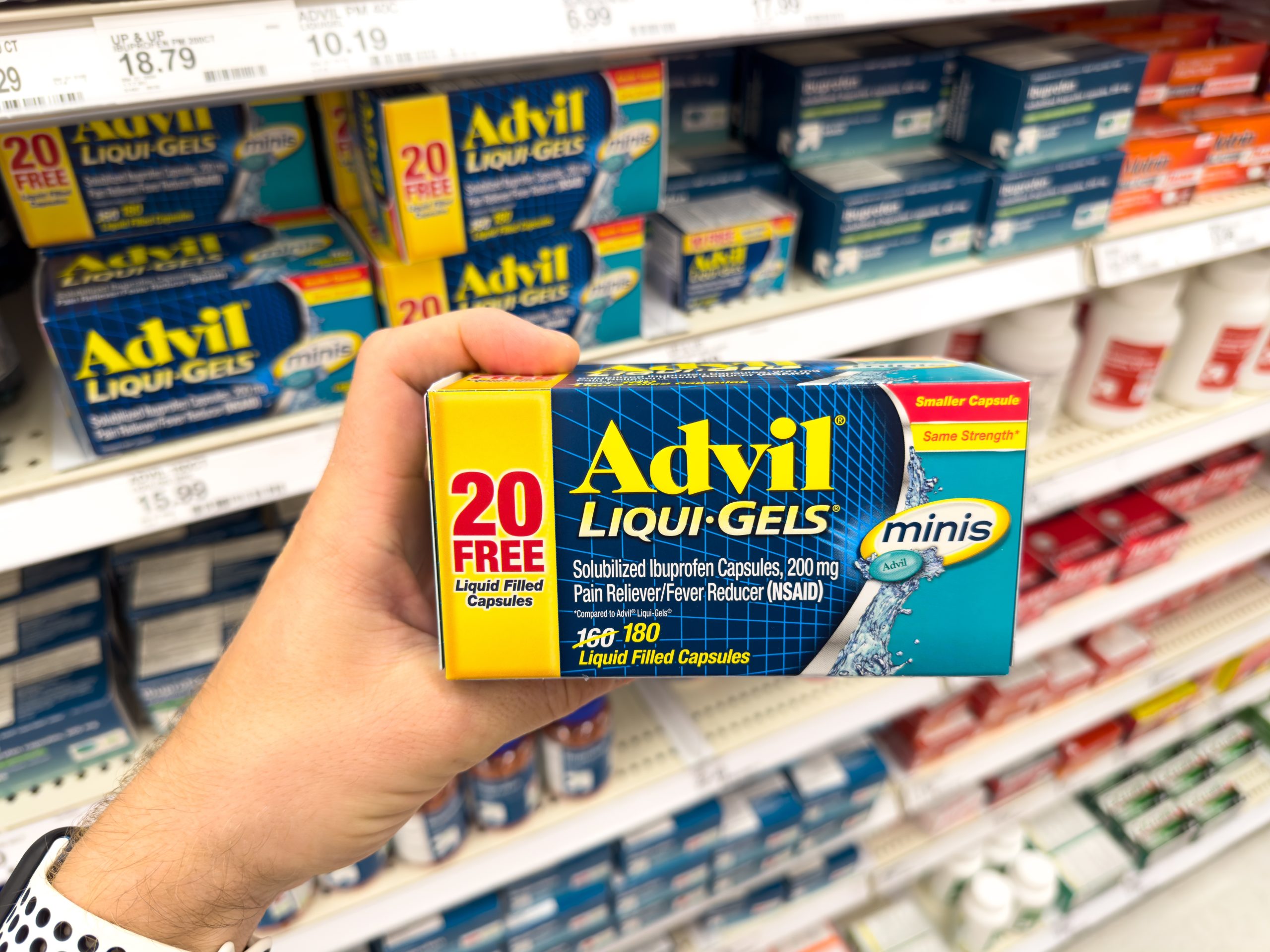
You have a headache and walk past the $2.99 store-brand Ibuprofen to grab the $5.99 Advil. Why? Because you’ve seen the commercials. You’ve been trained to associate the brand name with trust and quality, even though the FDA requires the store brand to be chemically and functionally identical to the name brand. You are paying 100% more for the box, not the medicine.
7. You Automatically Buy the “Family Size”
You’re trying to save money, so you’ve been trained to think “bigger is cheaper.” You automatically grab the “Family Size” or “Jumbo” box without a second thought. But this is often a trap. Always check the unit price (the price per ounce). You will frequently find that the regular-sized item on sale is a much better value.
8. You Follow Scents and Sounds
You had no intention of buying a pretzel or a cookie, but the moment the smell of the in-store bakery hits you, you find yourself wandering over. This is sensory marketing. Stores intentionally pipe bakery smells into the store to trigger a hunger response, making you more likely to buy high-margin treats.
9. You Feel a “Rush” from a “Was” Price
You see a sign that says “Sale: $4.99, Was: $7.99!” and you feel a jolt of excitement. You’re getting a deal! You are reacting to the savings, not the price. Marketers know this. That “$7.99” may be an inflated, imaginary price the item is rarely (if ever) sold for. The “sale” is the real price, and the “was” price is just a psychological trick to make you feel like you won.
10. You Equate “Organic” With “Healthy”
You buy a box of “Organic” cookies, “Organic” fruit snacks, or “Organic” frozen pizza and feel good about your choice. The “health halo” effect is one of marketing’s most significant successes. The word “organic” has a precise definition, but it doesn’t mean “low-calorie,” “low-sugar,” or “healthy.” You see that one word and let your guard down, often paying a premium for junk food in a different package.
How to Break the Training
The good news is that the first step to breaking this training is awareness. The best tool you have is a shopping list, which anchors you to your mission. Your second-best tool is the unit price, which tells the truth when the signs are lying. By slowing down and questioning your own habits, you can take back control of your cart.
What to Read Next
- 10 Grocery Items That Are Only Expensive Because of Marketing
- Stop Doing These 9 Supermarket “Sins” Immediately
- 9 Sneaky Ways Supermarkets Use Colors to Influence What You Buy
- 9 Shopping Habits That Make You an Easy Target for Marketers
- How 6 Supermarkets Are Using “Smart Carts” to Change How You Shop
The post 10 Shopper Behaviors That Reveal You’ve Been Trained by Marketing appeared first on Grocery Coupon Guide.